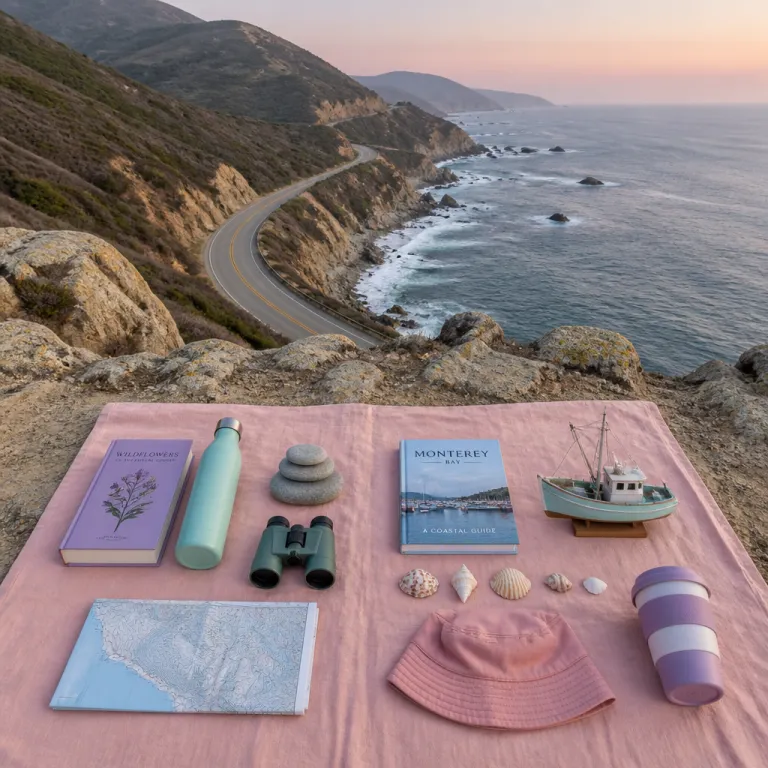
Big Sur vs Monterey vacation: how the coast feels from your hotel room
Standing on a terrace in Big Sur, the first thing you notice is how the Pacific seems to fall away beneath the cliffs in a single sweeping line. Along this part of the California coast, the landscape feels raw and elemental, and a hotel stay becomes less about amenities and more about how close you can sleep to the edge of the continent. In Monterey, by contrast, your vacation hotel often sits right at sea level, where the harbour, the beach and the historic streets create a softer, more walkable setting.
When travellers weigh a Big Sur vs Monterey vacation, they are really choosing between two very different ways of meeting the Pacific. Big Sur stretches for roughly 145 kilometres of rugged coast, with Highway 1 threading between redwood grove and cliff edge, so a stay here suits guests who want a quiet room, dramatic views and easy access to a state park trail rather than nightlife. Monterey is a compact city of around 30,000 people, where you can step out of your hotel and walk to Cannery Row, the Monterey Bay Aquarium, a sheltered beach or a waterfront restaurant in a single relaxed day.
Big Sur vs Monterey: solitude or walkable coastal town?
For someone booking a hotel, that difference in scale and atmosphere matters more than any marketing slogan about a coastal trip. In Big Sur, many properties are spaced far apart, so you drive a short road distance for dinner, a viewpoint or a hike, and the night sky feels almost rural. In Monterey, hotels cluster in the Cannery Row and downtown area, so you can leave the car parked, stroll the promenade, and treat your stay as a city break by the sea while still planning a road trip down to Big Sur for a full day.
Landscape and seasons: when Big Sur or Monterey suits your travel time
The landscape is the headline act in any Big Sur vs Monterey vacation, and the season you choose shapes how you experience it. Big Sur is defined by steep cliffs, the iconic Bixby Creek Bridge and the waterfall at McWay Falls in Julia Pfeiffer Burns State Park, while Monterey frames the same Pacific with a gentler curve of bay, marinas and the cypress trees of Pacific Grove. Both places share the same stretch of California coast, yet the microclimates and crowds shift subtly from month to month.
Across a typical year, weather patterns move through a familiar rhythm that regular visitors learn to use when booking hotels. Late spring and early autumn, roughly from April to early June and again from September into October, usually bring some of the clearest coastal views, with wildflowers on Big Sur’s canyon and ridge trails and calmer seas around Monterey and Carmel, while these shoulder months often mean fewer visitors and better room rates. Winter, running from about November through February, can bring dramatic storms to the Big Sur area, yet it also offers atmospheric mornings in Pacific Grove and quieter days on the Monterey waterfront.
Best time to visit Big Sur vs Monterey
For pure hiking comfort, many travellers favour late winter into spring, from around February through May, when temperatures are cool and the hills above the coast turn green. Families planning a beach focused stay in Monterey or nearby Carmel often look at July and August, when the water is still cold but the air feels warm enough for long days outside, while couples seeking a quieter Big Sur hotel often prefer late autumn, from October into early November, when the light softens and the road is less busy. Whatever time you choose, check for temporary Highway 1 closures before you commit to a non refundable room, because a landslide can turn a simple road trip into a much longer detour.
Where to stay: hotel choices in Big Sur, Monterey and Carmel
Choosing a hotel is where a Big Sur vs Monterey vacation becomes very practical, because location dictates how you spend each day. In Big Sur, many properties sit on the inland side of Highway 1, tucked among redwood grove and canyon, while a handful occupy cliff edge sites with uninterrupted Pacific views that justify their premium rates. Monterey hotels, by contrast, cluster along Cannery Row, the historic downtown grid and the quieter streets that lead towards Pacific Grove, giving you a choice between lively waterfront and calmer residential surroundings.
If you want to wake up and walk straight into a state park, Big Sur is the stronger choice, with Pfeiffer Big Sur State Park, Andrew Molera State Park and Garrapata State Park all offering trail networks within a short drive of most lodgings. Guests who prefer to be able to stroll from their room to dinner, a museum or a family friendly beach often lean towards Monterey or the neighbouring town of Carmel, where the compact centre and the curve of Carmel Beach create a village like feel. The combined Monterey Carmel area gives you a wide range of hotel styles and price points, from simple motels to refined coastal resorts, many of them within a few minutes’ walk of the sea.
Travellers who cannot decide between the two often split their trip, spending two nights in a Big Sur hotel for the wilderness atmosphere and then two or three nights in Monterey or Carmel for easier dining and sightseeing. If you are unsure which part of the coast best matches your style, a detailed Big Sur travel guide such as the one at how to choose the best coastal stay can help you compare specific properties and locations. Whatever you choose, book early for peak periods from late spring into early autumn, because the limited number of rooms in Big Sur means that the best located places often sell out months in advance.
Signature experiences: what you actually do in Big Sur and Monterey
When you picture your ideal Big Sur vs Monterey vacation, think in terms of daily rhythm rather than a checklist of sights. A typical Big Sur day might start with coffee on a deck overlooking the Pacific, followed by a drive to Pfeiffer Big Sur State Park for a shaded trail along the Big Sur River, and then an afternoon stop at McWay Falls to watch the waterfall drop directly to the cove below. In Monterey, your day could begin with a harbourfront walk, a visit to the Monterey Bay Aquarium and a late afternoon stroll along the coastal path towards Pacific Grove as the light fades.
Big Sur vs Monterey: activities and things to do
Hikers and photographers often find Big Sur more compelling, because the combination of cliff edge viewpoints, canyon trails and hidden beach access points creates a sense of exploration that a city cannot match. The area around Julia Pfeiffer Burns State Park, with its short path to McWay Falls and longer ridge routes, rewards those who are willing to trade urban convenience for raw scenery, while the drive south towards Limekiln State Park offers more forested trails and quieter picnic spots. In Monterey and Carmel, the focus shifts towards marine life, history and food, with whale watching trips, kayaking in the bay, visits to historic adobes and long dinners in the Monterey Carmel restaurant scene filling the evening hours.
Families with younger children often find Monterey easier, because everything from the aquarium to the beach and the hotel pool sits within a compact area that does not require long road stretches. Couples or solo travellers who want to feel the scale of the California coast usually prefer at least one night in Big Sur, where the sound of the ocean carries up the cliffs and the stars feel close, and where a simple walk to a viewpoint can feel like a private experience. In both places, plan one unstructured day with no fixed agenda, so you can linger at a favourite point on the road, follow a side trail you notice from the car or simply sit on the sand and watch the Pacific change colour.
Driving, access and safety: making the coastal road trip work
The drive itself is a central part of any Big Sur vs Monterey vacation, because Highway 1 is both the main access route and a world class scenic road. The distance between Monterey and the northern edge of Big Sur is only about 48 kilometres, yet the winding nature of the road and the temptation to stop at every viewpoint mean that you should allow at least a full day for a relaxed round trip. Along the way, you pass Bixby Creek Bridge, several state park entrances, signed turnouts with sweeping Pacific views and informal trailheads that lead down to hidden coves or up to ridge lines.
Highway 1: road conditions and travel tips
For hotel guests, the key practical point is that Big Sur has limited services, so you should treat each drive as a mini road trip rather than a simple commute. Fill your fuel tank in Monterey or Carmel, carry water and snacks, and download offline maps, because mobile coverage can drop out for long stretches between the northern Big Sur area and the more remote southern sections. Local authorities and travel experts consistently advise visitors to book accommodations early, check weather forecasts and plan for limited cell service in Big Sur, because a landslide or storm can temporarily close sections of the highway and affect how you reach your chosen place to stay.
Parking at popular spots such as McWay Falls, Pfeiffer Beach and the main Big Sur state park trailheads can be tight at peak times, especially on weekends in summer. If you are staying in Monterey or Carmel and visiting Big Sur as a day trip, aim to leave your hotel early, reach the first viewpoint before mid morning and work your way south, turning back in time to drive the most exposed sections of the road in daylight. Guests based in Big Sur itself can take advantage of quieter early evening hours, when many day visitors have left and the light along the coast turns golden, making even a short drive between hotel and restaurant feel like a private tour.
Nearby Carmel and Pacific Grove escapes: extending your stay beyond Big Sur
Many travellers planning a Big Sur vs Monterey vacation end up creating a three centre itinerary that includes Carmel and Pacific Grove, because each town adds a distinct flavour to the coast. Carmel, often referred to as Carmel by the Sea, offers white sand, art galleries and a compact grid of lanes where you can walk from your hotel to dinner in minutes, while Pacific Grove feels more residential, with Victorian houses, tide pools and a quieter waterfront path. For someone booking a hotel in Big Sur, these nearby escapes provide a useful contrast, giving you the option of combining wilderness nights with village style comforts.
Carmel vs Pacific Grove: which base works best?
Staying in Carmel makes sense if you want easy access to both Big Sur and Monterey without changing hotels too often, because the town sits almost exactly between the two. From a Carmel base, you can drive south along the coast for a full Big Sur day, stopping at Garrapata State Park, Point Sur and Pfeiffer Big Sur State Park, and then return in the evening to stroll Carmel Beach or dine in the Monterey Carmel restaurant district. Pacific Grove, on the other hand, works well for guests who value a calm residential atmosphere, where you can walk a coastal trail at sunrise, watch the Pacific roll in against the rocks and then drive to Big Sur or Carmel viewpoints later in the morning.
For hotel planners, the practical advantage of including Carmel and Pacific Grove is flexibility, because room availability in Big Sur can be tight at popular times from late spring through early autumn. You might spend two nights in a Big Sur hotel to experience the cliffs and redwood grove, then shift to Carmel by the Sea for three nights of beach walks, gallery visits and easy dinners, or choose Pacific Grove for its quieter streets and family friendly parks. This layered approach turns a simple coastal trip into a richer road journey, where each place along the California coast offers a different way to meet the same Pacific horizon.
How to choose: matching Big Sur or Monterey to your travel style
When you reduce the Big Sur vs Monterey vacation question to its essentials, it becomes a matter of matching place to personality. Big Sur suits travellers who value solitude, dramatic scenery and direct access to state park trails over nightlife, shopping or a dense choice of restaurants, while Monterey appeals to guests who want a walkable city by the sea with museums, family attractions and a wide range of dining options. Carmel and Pacific Grove sit between these two poles, offering quieter streets and beach access while still keeping you close to the amenities of a small urban area.
Big Sur vs Monterey vs Carmel: quick comparison
If you are booking a hotel primarily for views and atmosphere, Big Sur is hard to beat, because many properties frame the Pacific in a way that no city waterfront can match. Guests who care more about convenience, especially families with children or travellers who prefer not to drive at night on a winding road, often find Monterey or Carmel more comfortable, because you can park the car and spend most of your time on foot between beach, park, restaurant and room. For those who want both experiences, a split stay that combines Big Sur, Monterey and Carmel by the Sea offers the most balanced road trip, with each segment highlighting a different facet of the California coast.
Whichever option you choose, remember that this stretch of coast rewards unhurried travel, so avoid packing your itinerary with too many fixed points. Allow space in your schedule for an extra stop at a viewpoint, a spontaneous walk along a cliff edge trail or an unplanned hour on a quiet beach, because these unscripted moments often become the memories that define the trip. In the end, the best Big Sur vs Monterey vacation is the one where your hotel choice, your pace and your preferred way of meeting the Pacific all align, turning a simple stay into a personal connection with this remarkable area.
Key figures for a Big Sur and Monterey coastal stay
- The Big Sur coastline extends for about 90 miles, or roughly 145 kilometres, along the central California coast, creating a long corridor of potential viewpoints and trailheads for visitors (source: California coastal geography summaries and regional tourism data).
- Monterey has a population of around 30,000 people, which means hotel guests there enjoy full city services and amenities while still being within an easy drive of the quieter Big Sur area (source: recent Monterey municipal demographic statistics).
- The driving distance between Monterey and the northern gateway to Big Sur on Highway 1 is approximately 30 miles, or about 48 kilometres, making it realistic to stay in one place and visit the other as a day trip (source: regional transport and mapping data for the Monterey County coast).
- Highway 1 through Big Sur is a two lane road with frequent curves and steep drop offs, so average driving speeds are often below 55 kilometres per hour, which travellers should factor into their daily planning (source: California Department of Transportation guidance and posted speed limits).
FAQ: planning your Big Sur vs Monterey vacation
What are the main attractions in Big Sur?
The main attractions in Big Sur include Bixby Creek Bridge, McWay Falls and Pfeiffer Beach, all of which can be visited on a single carefully planned day from a nearby hotel. Many visitors also explore Pfeiffer Big Sur State Park, Garrapata State Park and the viewpoints along Highway 1, combining short walks with longer scenic drives. Because parking is limited at popular spots, arriving early in the morning or later in the afternoon helps you avoid the busiest periods.
Is Monterey suitable for family vacations?
Monterey is well suited to family vacations, with a compact layout and several attractions that appeal to children and adults. The Monterey Bay Aquarium, the waterfront paths, nearby beaches and easy access to Pacific Grove and Carmel by the Sea mean that families can fill several days without long drives. Hotels in Monterey also tend to offer more family friendly room types and dining options than the smaller properties scattered through Big Sur.
How far is Big Sur from Monterey?
Big Sur begins roughly 48 kilometres south of Monterey along Highway 1, with the drive to the central village area taking around one to one and a half hours depending on traffic and stops. Many travellers choose to stay in Monterey or Carmel and visit Big Sur as a day trip, while others split their time between the two to reduce daily driving. Because the road is narrow and winding, it is wise to plan your return journey so that you are not driving the most exposed sections in the dark.
Should I stay in Big Sur, Monterey or Carmel if I have three nights?
With three nights, a balanced approach is to spend one or two nights in Big Sur for the cliffs and state park trails, then one or two nights in Monterey or Carmel for easier dining and sightseeing. Guests who prefer a quieter village atmosphere often choose Carmel by the Sea, while those who want more urban energy and family attractions lean towards Monterey. If Big Sur hotels are fully booked, basing yourself in Carmel or Pacific Grove still allows for rewarding day trips along the coast.
Do I need a car for a Big Sur vs Monterey vacation?
A car is highly recommended for any Big Sur vs Monterey vacation, because public transport along Highway 1 is limited and many trailheads and viewpoints sit far from town centres. In Monterey and Carmel you can walk between many attractions, but reaching Big Sur’s state parks, beaches and viewpoints almost always requires driving. Renting a vehicle also allows you to adapt your plans to weather, road conditions and personal energy levels, which is essential on such a dynamic stretch of coast.