Big Sur Whale Watching: How to Pair Monterey Bay Tours with Ocean-View Hotels
Reading the whales and the light along the California coast
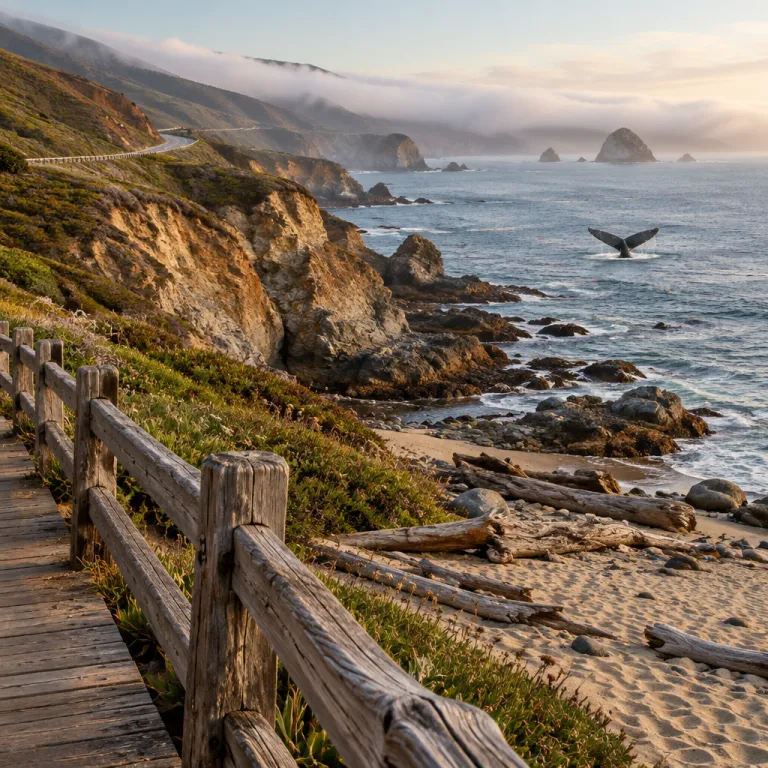
Big Sur whale watching is not a generic coastal pastime; it is a choreography between fog, flukes, and the way the California coast bends toward deep water. From a photographer’s perspective, the season when humpback whales and blue whales overlap with clear autumn skies is the moment when the marine horizon finally cooperates, and the right hotel becomes a field station with room service. Think of every balcony, terrace, and pullout as a potential blind where you quietly watch whales and dolphins move through Monterey Bay light that shifts from silver to copper in under ten minutes.
The same submarine canyon that fuels classic Monterey Bay whale watching tours also drives life along the cliffs south of Monterey, so you are not choosing between a boat and Big Sur; you are choosing how many angles you want on the same great marine corridor. Shore-based whale watching in Big Sur lets you work with elevation, using headlands where a short walk from your room opens window-like views down into kelp lines where dolphins, sea lions, and humpback whales often feed. Boat-based options out of Monterey and San Francisco add low-angle shots of flukes and the occasional whale spout at eye level, but they cannot give you that compressed telephoto perspective of the entire coast in one frame.
For timing, the most reliable humpback whale season runs from roughly May through November, while blue whales tend to peak from June into early September in the part of the year when upwelling is strongest. That means the fall light that photographers chase at Bixby Bridge and McWay Falls aligns almost perfectly with the prime Big Sur whale watching window, especially on calm mornings after the fog lifts. Plan your stay so you can watch for whales at first light from your deck, then drive north for a whale watching tour in Monterey Bay once the sea breeze picks up and the upper deck of the boat becomes the best place to work.
Where to sleep for shore based whale watching and trail access
If your priority is to watch whales from land before breakfast, you want a stay with height, clean sightlines, and quick access to trails rather than a room buried in the redwoods. On the north end of Big Sur, properties near Garrapata State Park put you close to headlands where a ten-minute walk from your car opens windows wide onto the sea, and you can frame whales against the cliffs of the California coast instead of open water. This is where a landscape photographer can shoot a whale, a bridge, and a fog bank in one exposure, then be back at the car in time to chase golden light inland.
Farther south, look at stays near Julia Pfeiffer Burns State Park and the McWay Falls area, where California State Parks has historically run shore-based whale watching programs when access allows. When the park is open and conditions are right, rangers sometimes set up scopes so visitors can watch whales and dolphins from stable ground, which is invaluable if you are deciding whether to book a whale watching tour later that day. In this stretch, your hotel choice should prioritize proximity to these lookouts over amenities, because a five-minute drive to the trailhead beats a thirty-minute commute when the sea suddenly erupts with feeding humpbacks and diving sea lions.
South again toward Gorda and the elephant seal viewpoints near San Simeon, lower cliffs and wider pullouts give you long, layered horizons where whales and dolphins often pass beyond the breakers. Here, a simple roadside inn can become the base for a great trip if it lets you walk out, set up a tripod, and watch for a whale breach without dodging traffic. To pair these coastal hikes and waterfall trails with your lodging strategy, study a dedicated guide to Big Sur waterfalls and hotels matched to the best trails, then overlay your whale watching priorities on top.
Monterey bay boats, Big Sur decks, and how to split your time
The most efficient Big Sur whale watching itineraries usually combine one Monterey Bay boat day with several dawn and dusk sessions on the cliffs. A dedicated whale watching company operating from the Monterey Harbor or Fisherman’s Wharf area gives you close encounters with humpback whales, blue whales, and dolphins, while your Big Sur hotel gives you the elevated, wide-angle context shots. Think of the boat trip as your portrait session and the coast days as your landscape work, each demanding different lenses, shutter speeds, and patience.
From Monterey, classic whale watching tours head straight toward the deep canyon, often reaching productive feeding zones within thirty to forty minutes of leaving the harbor. On a calm day, the upper deck of the boat is where photographers gather, trading tips about the best time of year for different species and quietly checking TripAdvisor reviews of yesterday’s trip and its great sightings. When the crew calls out a whale on the port side, you get low-angle fluke shots and the chance to watch sea lions, dolphins, and even multiple whales swirl around the same bait ball.
Back in Big Sur, your hotel deck becomes the quiet counterpart to that intensity, where you simply watch the sea and wait. This is where a guide to planning scenic drives, hikes, and beach time from your Big Sur hotel pays off, because you can structure your day around the light rather than the clock. Spend the middle hours scouting compositions along the coast, then return to your room’s balcony to watch for whales at last light, when the ocean flattens and every distant blow stands out against the horizon.
Choosing the right hotel for photographers chasing fog and flukes
For a photographer, the best Big Sur hotel is not always the most famous name; it is the one that aligns your bed, your balcony, and your subject. On the north end, stays near Carmel Highlands and the first Big Sur turnouts give you fast access to Monterey and Monterey Bay whale watching tours, while still letting you be on the cliffs at sunrise with a thermos and a telephoto. This split base works well if you want one structured whale watching tour with a professional crew and several unhurried mornings where you simply watch the sea from your own improvised lookout.
Mid-coast, lodgings near Pfeiffer Big Sur State Park trade direct ocean views for redwood shade, but a short drive west puts you on bluffs where you can watch whales move along the California coast in long, slow arcs. Here, you are paying for centrality rather than spectacle, which matters when Highway 1 closures or park access issues force you to improvise your shooting plan. In these cases, a quick scan of TripAdvisor reviews can help you separate properties that understand the needs of photographers from those that treat the coast as a backdrop rather than the main subject.
Farther south, simple motels and inns near Lucia, Gorda, and Ragged Point often have the most underrated whale watching decks, because their elevation and orientation face directly into the migratory path. A second-floor railing here can function like the upper deck of a small boat, minus the motion, letting you track humpbacks and blue whales as they surface along the coast for minutes at a time. When you read a TripAdvisor comment about a great stay where guests could watch whales from bed, this is usually the kind of property they mean, even if the décor is secondary to the view.
Beyond whales: condors, elephant seals, and wine after the shot
Big Sur whale watching rarely happens in isolation; the same patient scanning that finds a distant whale fluke will also reveal California condors riding thermals above the cliffs. South of Big Sur, the elephant seal colonies near Piedras Blancas add another subject to your card, with massive animals hauled out on the sand while dolphins and sea lions work the surf just beyond. A hotel that keeps you close to these pullouts turns a simple coastal drive into a layered wildlife trip, where every stop offers a different marine or coastal species.
On days when the sea is quiet, you can shift focus inland without feeling that you have wasted the light. Trails above the fog line often give you oblique views back toward the coast, letting you watch for whales from a different angle while you hike, and sometimes a break in the marine layer opens window-like shafts of light onto the water below. This is where the dual identity of Big Sur as both hiking territory and whale corridor becomes obvious, and why your lodging should sit at the intersection of trail access and horizon.
After sunset, many travelers pivot from the sea to the glass, pairing their marine wildlife experience with a tasting of local wines. If that sounds like your pace, look for properties that sit within easy reach of coastal tasting rooms and use a focused guide to Big Sur hotels with wine tasting nearby to refine your shortlist. The best days here end not with the ocean view on the booking page, but with the fog lifting at 7 a.m., a whale’s breath hanging in the cold air, and your camera already awake.
FAQ
When is the best time of year for Big Sur whale watching ?
The most reliable Big Sur whale watching window runs from late spring through autumn, when feeding conditions in Monterey Bay are strongest. Humpback whales are typically most visible from about May through November, while blue whales tend to peak from June into early fall. For photographers, the overlap between these whales and the clear fall light along the California coast offers the best combination of species and conditions.
Should I book a monterey bay boat tour if I am staying in Big Sur ?
Combining a Monterey Bay whale watching tour with a Big Sur stay gives you both close encounters and wide-angle perspectives. A boat trip from Monterey or Fisherman’s Wharf lets you watch whales, dolphins, and sea lions at water level with guidance from an experienced crew. Your Big Sur hotel then becomes the base for shore-based sessions where you can watch for whales from elevated pullouts at your own pace.
Which Big Sur areas are best for watching whales from shore ?
North of Big Sur, the headlands near Garrapata State Park and Carmel Highlands offer excellent elevated views into Monterey Bay, especially at dawn. Farther south, the McWay Falls area and other Julia Pfeiffer Burns State Park lookouts are strong whale watching spots when access is open and conditions are calm. Near Ragged Point and Gorda, higher cliffs and wide pullouts give you long sightlines where whales and dolphins often pass just beyond the breakers.
What camera gear should I bring for whale and wildlife photography ?
For shore-based Big Sur whale watching, a telephoto lens in the 300 to 600 millimetre range is ideal, paired with a sturdy tripod or monopod. On Monterey Bay boats, a zoom lens that can move quickly between medium and long focal lengths helps you react to fast-moving whales and dolphins from the upper deck. A weather-resistant body, extra batteries, and a dry bag are also useful, because sea spray and fog can change conditions in minutes.
Do I need to worry about road and park closures when planning my stay ?
Highway 1 and several Big Sur state parks are occasionally affected by landslides, fires, or maintenance work, which can limit access to certain whale watching lookouts and trails. Before committing to a specific hotel or hiking plan, check current conditions with Caltrans and California State Parks, especially if you are targeting Julia Pfeiffer Burns or other key coastal viewpoints. Building some flexibility into your itinerary ensures that you can still enjoy a great trip, even if you need to adjust which stretches of the coast you watch.