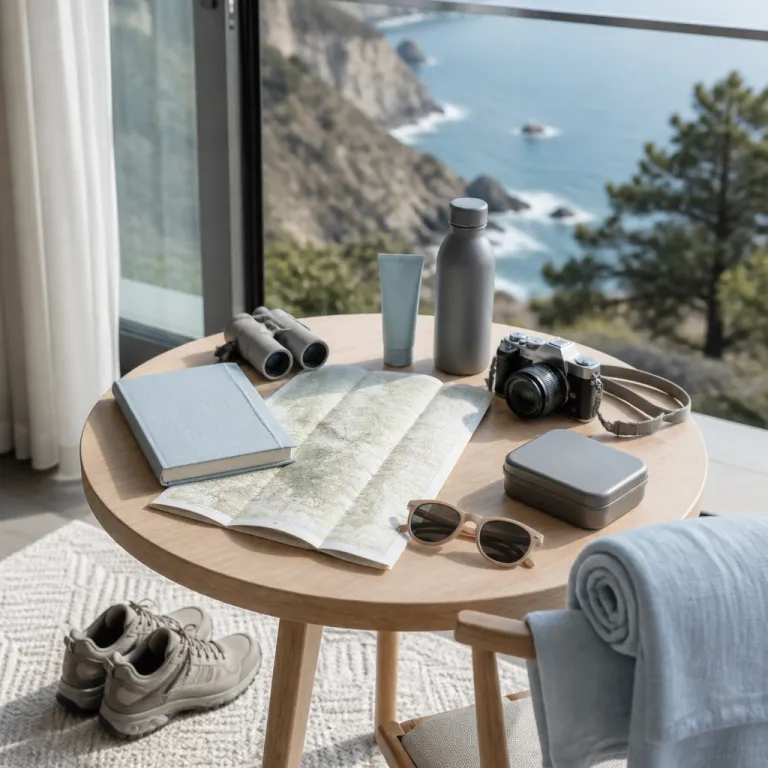
Coastal panoramas and essential viewpoints near your Big Sur hotel
When you plan the most memorable things to do in Big Sur, start with the coastal viewpoints that frame your entire stay. From the moment you leave your inn parking area and join Highway 1, you will find that every curve reveals the Pacific Ocean in a new light, with the road itself becoming one of the best parts of staying in Big Sur, California. Many guests choose their hotel location specifically to shorten the time between breakfast and that first dramatic glimpse of the ocean from a windswept point.
The drive north toward Monterey in California quickly brings you to Bixby Creek Bridge, one of the most photographed bridges in the United States and a highlight among the classic things Big Sur offers. Park safely in designated parking bays near the bridge, then walk carefully along the roadside to enjoy sweeping views of the Pacific Ocean and the rugged cliffs that define this coastline. If you are staying at an inn south of the bridge, plan your visit for early morning or late afternoon, when the light softens, traffic is lighter, and you will enjoy fewer crowds and easier parking.
Further north toward Carmel-by-the-Sea, Point Lobos State Natural Reserve stands out as a compact showcase of everything that makes the Big Sur region special. This state natural reserve, often simply called Point Lobos, offers short coastal trails, turquoise coves, and views toward Bird Island where seabirds gather on white guano-stained rocks. Booking a hotel between Big Sur and Carmel-by-the-Sea allows you to reach Point Lobos State Natural Reserve soon after opening time, which is the best time to find parking and enjoy quieter trails before day trippers arrive from Monterey; driving from central Big Sur usually takes 45 to 60 minutes depending on stops.
Signature hikes and trails from Pfeiffer Burns to Julia Pfeiffer
For travelers who value hiking, the most rewarding things to do in Big Sur often begin in a state park, where well maintained trails lead from redwood groves to high ocean overlooks. Julia Pfeiffer Burns State Park is a cornerstone of any hiking focused itinerary and sits within easy driving time of many coastal inns. When you visit Big Sur with walking in mind, choose accommodation that offers early breakfast so you can reach each trailhead before the parking lots fill and temperatures rise.
Inside this state park, the short but iconic trail to the McWay Falls overlook is one of the best options for first time visitors, because it combines minimal effort with maximum drama. The path runs along the cliff edge to a viewpoint where McWay Falls drops directly onto a small beach, with the Pacific Ocean stretching beyond in deep blue layers. The overlook trail is roughly 0.5 miles round trip with only gentle elevation change, and you will enjoy this scene most when the sun is high enough to illuminate the cove, so plan your Big Sur schedule to reach the viewpoint from late morning to mid afternoon.
South of Julia Pfeiffer Burns State Park, you will find longer trails that climb above the Big Sur River valley and into higher ridges, offering wide views back toward the bridge at Bixby and the distant coastline near Monterey. Many ridge routes gain 800 to 1,500 feet of elevation over several miles, so they demand proper footwear, water, and a realistic sense of your fitness, but they reward you with quieter paths and a stronger connection to the landscape that defines this part of California. Many hotels keep trail maps at reception, and staff will often highlight which state park routes match your available time, whether you want a one hour stroll or a full day ascent.
Beaches, coves, and tidal drama along the Big Sur shoreline
Coastal hotels in Big Sur give you a front row seat to some of California’s most atmospheric beaches, where the things to do in Big Sur shift with the tides and the light. Pfeiffer Beach, reached by a narrow side road west of Highway 1, is famous for its purple tinged sand and the sculpted Keyhole Arch that frames the setting sun at certain times of year. Because parking is limited and the access road is tight, you will enjoy a calmer visit if you leave your inn early, carry cash for the parking fee, and allow at least 20 to 30 minutes for the drive in and out from the main highway.
Once on the beach, walk toward Keyhole Arch and watch how the Pacific Ocean surges through the opening, sending plumes of spray into the air that glow when backlit. Photographers often list this as one of the best things about Big Sur, but even without a camera you will find the interplay of rock, water, and light unforgettable. Check the tide schedule before you visit Big Sur beaches, because higher tides can limit how far you can safely walk along the sand and may cover some of the most photogenic rock formations, while lower tides reveal tide pools and additional foreground interest.
North of Big Sur proper, the coves within Point Lobos State Natural Reserve, including the area near Bird Island, offer a different kind of beach experience focused on wildlife and geology. Here, short trails descend to sheltered inlets where you can watch harbor seals hauled out on rocks and waves rolling in from the open ocean beyond the headlands. Staying in a hotel closer to Carmel-by-the-Sea or Monterey reduces your driving time to this Point Lobos gem to roughly 10 to 20 minutes, making it easier to fit both a morning hike and an afternoon return to your inn for a relaxed evening overlooking the Big Sur River valley or the wider coastline.
Planning your stay: where hotels meet trails, parks, and scenic drives
Choosing where to sleep is as strategic as choosing which things to do in Big Sur, because hotel location shapes how easily you can reach each state park, beach, and viewpoint. Properties clustered near the Big Sur River often sit within a short drive of Pfeiffer Big Sur State Park, Julia Pfeiffer Burns State Park trailheads, and the main village services, which reduces your daily driving time. If you prefer to split your visit between hiking and exploring Monterey or Carmel-by-the-Sea, consider spending part of your stay near Big Sur and part near Point Lobos State Natural Reserve so you minimize backtracking on Highway 1.
When you book, ask specific questions about access to trails, proximity to the Big Sur River, and the time it takes to reach key sites like McWay Falls, Bixby Creek Bridge, and Pfeiffer Beach during normal traffic. Some inns provide printed maps that highlight the best things to see in each direction, from the state natural reserve at Point Lobos to the dramatic coastline south of Julia Pfeiffer Burns State Park. Others may offer guidance on parking conditions at popular trailheads, which can change with the season and influence the order in which you plan your daily Big Sur activities, especially if you prefer sunrise or sunset light.
Self guided touring works well here, but guided hikes arranged through local partners can deepen your understanding of the ecosystems that California State Parks protects. Local visitor information and California State Parks materials emphasize that “McWay Falls, Bixby Creek Bridge, and Pfeiffer Beach are top attractions,” which aligns closely with what most hotel guests already list as priorities. Whether you rely on a mobile app for navigation or traditional paper maps, always download or carry your route details before leaving your inn, because mobile coverage along the Pacific Ocean cliffs can be inconsistent and fog can make wayfinding more challenging.
Seasonal rhythms, safety, and sustainable ways to enjoy Big Sur
The timing of your trip influences which things to do in Big Sur feel most appealing, from long ridge hikes to quiet evenings watching fog roll in from the ocean. Spring brings wildflower blooms along many state park trails, summer offers warm weather for extended beach walks, autumn often means fewer crowds, and winter can deliver dramatic surf and whale sightings off the Pacific Ocean. No matter the season, you will enjoy your stay more if you check weather and road conditions before you visit Big Sur, especially after storms that can affect Highway 1 with rockfall, closures, or one-way traffic controls.
Safety and respect for the environment go hand in hand here, because the same cliffs and waves that make Big Sur beautiful can also be hazardous. Stay on marked trail routes in every state park, keep a safe distance from bluff edges, and never climb over fences to chase a better view of McWay Falls, Bixby Creek Bridge, or Keyhole Arch. When you walk near the Big Sur River or along beaches close to Bird Island and other wildlife areas, give animals space, keep noise low, and follow all posted guidance from California State Parks rangers.
Sustainable travel choices extend to your hotel habits as well, from reusing towels to minimizing single use plastics during your time in Big Sur, California. Many inns now highlight eco friendly practices and may share information about how they support local conservation or partner with Point Lobos State Natural Reserve and other protected areas. By aligning your personal choices with the goals of state natural reserve managers, you help ensure that future guests will find the same best things to love about Big Sur, from quiet redwood groves to the scent of coastal sage and the endless horizon of the Pacific Ocean.
Designing a two day Big Sur itinerary from your hotel base
With only a couple of days, you need a clear plan for the essential things to do in Big Sur, balancing driving, hiking, and time to simply sit and watch the ocean. On day one, many guests start from their inn near the Big Sur River, head north to Bixby Creek Bridge for early light, then continue to Point Lobos State Natural Reserve for a half day of coastal trails and Bird Island viewpoints. After returning south, you can stop in the Big Sur village for dinner before unwinding back at your hotel with the sound of the Pacific Ocean in the distance and stars bright above the dark coastline.
Day two might focus on the central and southern highlights, beginning with Pfeiffer Big Sur State Park where you can walk a forested trail before the sun grows strong. From there, drive south to Julia Pfeiffer Burns State Park and follow the short path to the McWay Falls overlook, timing your visit so the cove is fully lit and the waterfall glows against the turquoise water. If conditions allow, finish the afternoon at Pfeiffer Beach, watching waves crash through Keyhole Arch while you reflect on how many things Big Sur has offered in such a short time and which experiences you would repeat on a longer visit.
Throughout both days, build in buffers for parking delays at popular state park lots and for spontaneous stops at unnamed pullouts where the coastline demands your attention. Keep snacks and water in the car so you can extend a trail session when you find a route that you particularly enjoy, whether above the Big Sur River valley or along the cliffs near Monterey in California. By anchoring your plans around a well located hotel and a realistic driving loop, you will experience the best things about Big Sur without feeling rushed, leaving room for quiet moments that often become your strongest memories.
Key figures that shape the Big Sur travel experience
- Visitor numbers to Big Sur and its surrounding protected areas are substantial, which explains why parking fills early at popular state park trailheads and why booking your hotel well in advance is essential during peak seasons.
- The protected land area around Big Sur spans a large stretch of the central California coast under various designations, including state natural reserves and state parks, which means hotel guests have access to an unusually extensive network of trails and viewpoints within a relatively compact coastal corridor.
- Highway 1 through Big Sur often limits driving speeds to well below typical California freeway levels, so travelers should allow extra time between their inn and major sites like McWay Falls, Bixby Creek Bridge, and Point Lobos State Natural Reserve; a 20 mile segment can easily take 45 minutes with traffic and photo stops.
- Seasonal patterns show that summer brings the highest concentration of visitors to Big Sur, while spring and autumn usually offer a better balance between comfortable weather, available parking, and quieter trails for those planning multiple things to do in Big Sur.
FAQ: practical questions about staying and exploring in Big Sur
What are the must see attractions near most Big Sur hotels ?
From a typical hotel base near the Big Sur River, you can reach McWay Falls, Bixby Creek Bridge, and Pfeiffer Beach within a relatively short drive, making them the core things to do in Big Sur for first time visitors. Point Lobos State Natural Reserve and Bird Island lie a bit farther north toward Carmel-by-the-Sea and Monterey, but they still fit comfortably into a single day’s outing. These sites combine coastal scenery, accessible trails, and iconic views that define Big Sur, California in most guidebooks.
Are there entrance fees for Big Sur parks and reserves ?
Several state parks and the Point Lobos State Natural Reserve charge day use fees per vehicle, which help fund trail maintenance, parking management, and conservation work. California State Parks notes that “Some state parks may charge entrance fees; check individual park websites for details,” so it is wise to confirm current amounts before you leave your inn. Many travelers keep cash or a card handy in the car so they can move efficiently through entrance stations and maximize their time on the trail.
Is camping allowed if I want a night away from my hotel ?
Designated campgrounds operate within and near several Big Sur state parks, offering an alternative to hotel stays for one or more nights. The official guidance explains that “Yes, there are several campgrounds available; reservations are recommended,” which reflects how popular these sites have become. If you plan to split your trip between an inn and a campground, reserve both well ahead of time and confirm driving distances between them and key attractions like Julia Pfeiffer Burns State Park.
How much driving should I expect between main sights ?
Although the distances between Big Sur highlights look short on a map, the winding nature of Highway 1 and frequent photo stops mean travel takes longer than many guests expect. Allow at least half an hour between central Big Sur and Bixby Creek Bridge, and a similar amount between the village and Julia Pfeiffer Burns State Park, especially in peak seasons. Building generous driving time into your list of things to do in Big Sur keeps your days relaxed and leaves room for unplanned viewpoints along the Pacific Ocean.
Do I need special equipment for Big Sur hikes ?
Most popular trails in Big Sur state parks require only sturdy walking shoes, layered clothing, water, and sun protection, which you can easily pack alongside your usual hotel wardrobe. For longer ridge routes above the Big Sur River or more remote paths near state wilderness areas, trekking poles and extra supplies can improve comfort and safety. Always carry a map or offline navigation tool, because mobile coverage drops in many canyons and along sections of the coast where the cliffs rise steeply from the ocean.
Sources and further reading
- California State Parks
- Big Sur Visitors Bureau
- Monterey County Convention and Visitors Bureau