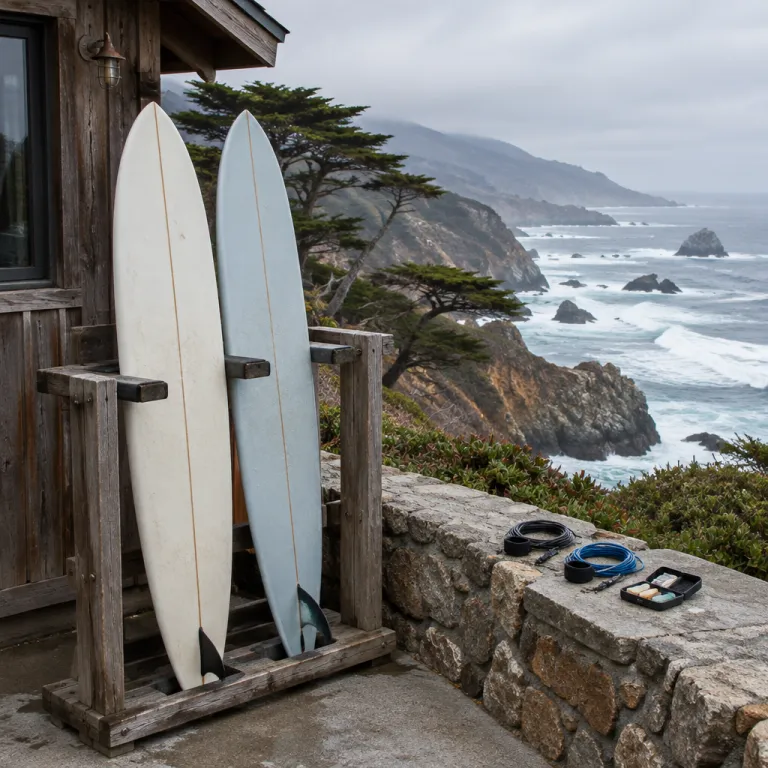
Big Sur surfing and where your hotel choice truly matters
Big Sur surfing is defined by remote surf spots, cold water, and powerful waves. Along this dramatic central coast, the best breaks sit below cliffs where Highway 1 twists between Carmel and San Simeon, so where you sleep shapes every paddle out. When you book a hotel in Big Sur, you are really choosing how easily you will reach each beach, reef break, and point break at first light.
Most surfers underestimate driving times on this long, broken stretch of coast. Distances look short on a map, yet narrow curves, road work, and fog can turn a quick surf check into a long road trip before you even see the waves. A hotel near the central section of Big Sur will give you better access both north and south, letting you chase the right swell direction instead of fighting traffic in the dark.
The coastline officially runs between Carmel and San Simeon, but the surf culture feels like its own world. Local surfers often answer the question “Are Big Sur surf spots crowded?” by saying they are mostly uncrowded due to remoteness and access difficulty, and that isolation means you must plan your base with care. Choose accommodation that offers early breakfast, flexible check out, and secure board storage, because experienced surfers know that logistics, safety, and recovery time can make or break a session.
Choosing a Big Sur hotel using hiking trails and surf access
Many of the best Big Sur surfing spots require short hikes down steep paths or along creeks. When you compare hotels, study how close they are to official trailheads that drop toward the beach, since those same trails often double as access routes to hidden surf spots. A property near popular hiking routes will usually shorten your walk to the water, especially at coves where a beach break forms over shifting sand.
Use detailed hiking trail maps to evaluate both elevation and distance from your room to the breaks. Resources such as this guide on how to choose a Big Sur hotel using hiking trail maps help you judge whether you will be carrying a board down 50 metres or 150 metres of vertical descent. For intermediate–advanced surfers carrying shortboards and thick wetsuits, that difference can decide whether you surf twice a day or only once.
Look for hotels that provide printed maps of nearby trails, tide information, and advice about rip currents along this rugged coast. Staff who hike regularly often know which creek crossings become unsafe after rain, and which picnic area car parks are safest to leave your vehicle while you surf. When hiking and surfing plans align, you can surf the morning waves, then follow a ridge trail above the same point break in the afternoon.
North coast versus south coast stays for Big Sur surfing
The north section of Big Sur, closer to Carmel, offers easier driving and slightly more services. Staying here suits surfers who want to mix Big Sur surfing with day trips to Monterey, while still reaching remote surf spots when the swell direction cooperates. Hotels in this area often appeal to intermediate–advanced surfers who value comfort after long sessions in 11 °C to 13 °C water.
Further south toward Ragged Point and San Simeon, the coast feels wilder and the breaks more exposed. A hotel near Ragged Point or San Simeon places you closer to sand bottom beach breaks like Sand Dollar Beach and Dollar Beach, as well as reef break setups near rocky headlands. This southern stretch also gives easier access to wildlife viewing, and guides such as this piece on how your hotel choice shapes every wildlife encounter can help you balance surf, elephant seals, and condor watching.
Whichever area you choose, confirm how long it really takes to reach your preferred surf spots along Highway 1. Ask the hotel about typical drive times to Sand Dollar Beach, Willow Creek, and the viewpoints near Piedras Blancas, because local knowledge beats any generic map estimate. On a coast where landslides and closures are common, a well informed front desk that checks Caltrans updates can save you hours of unnecessary driving in search of a workable break.
Key Big Sur surf spots and how hotels connect you to them
For many surfers, Sand Dollar Beach is the first name associated with Big Sur surfing. This wide cove offers a consistent beach break that can suit intermediate–advanced riders on smaller days, while still producing powerful waves when winter swells wrap into the bay. Staying within a short drive of Sand Dollar Beach or Dollar Beach means you can check the waves quickly, then decide whether to paddle out or continue your surf trip along the coast.
Willow Creek, just off Highway 1, combines a small picnic area, a creek mouth, and mixed rock and sand that can create both beach break and partial reef break conditions. Hotels within 20 to 30 minutes of Willow Creek give you flexibility to time the tides and swell direction, which is crucial when the break shifts from playful to heavy. Because access is relatively straightforward, this spot often attracts a mix of experienced surfers and ambitious intermediates who respect the rocks and rip currents.
Farther south, the San Simeon and Piedras Blancas area offers several lesser known surf spots that reward patience. Here, reef break setups near rocky points can light up when long period swells arrive from the right angle, while more sheltered coves provide manageable waves for confident but less seasoned surfers. Choosing accommodation near San Simeon shortens the road trip to these breaks and lets you combine morning sessions with afternoon visits to the elephant seal rookery.
Planning a surf focused road trip and hotel itinerary
A well structured road trip along Big Sur turns scattered surf spots into a coherent journey. Many surfers start in the north, overnight near Carmel or the upper Big Sur valley, then move south in stages as they track changing swell direction and wind. Booking different hotels along the route lets you wake up close to new breaks each day instead of backtracking long distances.
One effective plan is to spend two nights near the central Big Sur section, then shift to a hotel near Ragged Point or San Simeon. This pattern keeps you within reach of both Willow Creek and Sand Dollar Beach early in the trip, before you focus on the southern reef break and beach break options near Piedras Blancas. When you design your surf trip this way, you can also weave in a coastal wine tasting stop using guidance such as this article on planning a coastal wine escape from Big Sur hotels.
Always build rest days into your itinerary, because paddling in cold water and hiking steep paths quickly drains energy. On those days, choose hotels with easy access to a picnic area, short creek walks, or sheltered viewpoints where you can still watch the waves and study how each break behaves. This slower rhythm helps you understand the coast, respect its hazards, and time your next session with more confidence.
Safety, skill level, and what to ask your Big Sur hotel
Big Sur surfing is not ideal for absolute beginners, because many breaks involve rocks, strong currents, and heavy sets. The coast is best suited to intermediate–advanced and experienced surfers who are comfortable with cold water, long paddles, and quick changes in conditions. Before booking, honestly assess your skills and choose hotels that keep you close to the most appropriate surf spots for your level.
When you contact a hotel, ask whether staff are familiar with local surf culture and hazards. Good questions include which nearby beaches are safest when rip currents are strong, where parking is most secure, and how far you must carry your board from the car park to the water. Some properties maintain informal relationships with local surfers or guides, and those connections can help you understand which breaks are forgiving and which are reserved for the most experienced surfers.
Cold water is another non negotiable factor, with temperatures often dropping close to 11 °C according to regional surf reports and NOAA buoy data, so confirm whether your room has space to dry a thick wetsuit overnight. Ask about outdoor showers or hoses where you can rinse salt and sand after sessions at Sand Dollar Beach, Willow Creek, or the reefs near San Simeon and Piedras Blancas. Hotels that support these practical needs will quietly increase your comfort and safety, letting you focus on reading the waves instead of wrestling with wet gear.
Key figures for Big Sur surfing and coastal stays
- Water temperatures along the Big Sur coast often reach a low of about 11 °C (52 °F), according to regional surf guides and long term NOAA coastal data, which makes a 4/3 mm or thicker wetsuit essential for most of the year.
- Typical public information lists roughly half a dozen regularly surfed spots along the immediate Big Sur coastline, but many more reef and point setups exist that are only suitable for highly experienced surfers with local knowledge.
- The most reliable surf season generally peaks from early autumn through winter, when larger North Pacific swells reach the central coast and transform otherwise quiet coves into powerful waves.
- Because many breaks require hikes from Highway 1 down to the beach, surfers should plan for elevation changes of 50 to more than 150 metres between car parks and the water, especially at cliff lined coves.
FAQ about Big Sur surfing and hotels
What skill level is recommended for surfing in Big Sur ?
Most of the consistent breaks in Big Sur are better suited to intermediate–advanced and experienced surfers. Reef break and point break setups, combined with cold water and strong currents, demand solid paddling strength and confident wave judgment. Less experienced surfers should focus on smaller days at more forgiving beach break locations and consider surfing with a partner.
Are Big Sur surf spots usually crowded ?
Many Big Sur surf spots remain relatively uncrowded compared with urban beaches, mainly because access is difficult and parking is limited. Long drives, steep trails, and unpredictable weather naturally limit the number of surfers in the water. You should still respect local etiquette, share waves fairly, and avoid paddling out at sensitive reef setups without understanding the lineup.
Which time of year offers the best conditions for Big Sur surfing ?
The most consistent surf generally arrives from early autumn through winter, when North Pacific storms send larger swells toward the central coast. During this period, powerful waves reach both exposed reef breaks and more sheltered coves, giving skilled surfers more options. Spring and summer can still offer enjoyable sessions, but conditions are often smaller and more wind affected.
How cold is the water in Big Sur, and what gear do I need ?
Water temperatures in Big Sur often range down to about 11 °C, which feels very cold during long sessions. Most surfers wear at least a 4/3 mm full wetsuit, with many adding boots, gloves, and a hood in the coldest months. When choosing a hotel, confirm that you will have space to dry this gear overnight and access to fresh water for rinsing.
What safety hazards should surfers consider when booking a Big Sur hotel ?
Key hazards include rip currents, submerged rocks, shifting sandbars, and rapidly changing weather along Highway 1. When you book a hotel, ask staff about the safest nearby beaches, typical access routes, and any recent changes to trails or parking. Combining local advice with your own forecasts, NOAA marine reports, and tide checks will significantly reduce risk during your surf trip.