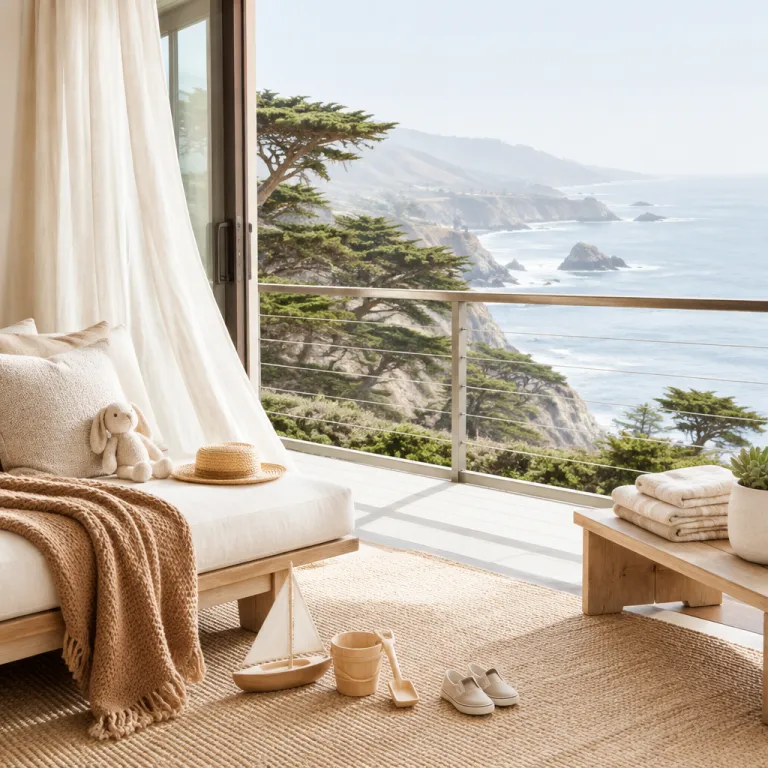
Planning a relaxed Big Sur with kids itinerary from your hotel
Designing a Big Sur family itinerary starts with choosing the right place to stay near the coast. When you base your crew in a comfortable Big Sur hotel, you reduce road time and make every day feel like a gentle adventure with kids. Think of your room as a calm hub where sandy shoes, damp towels, and tired smiles are always welcome after a big day outdoors.
Families often arrive from San Francisco or Carmel by car, so planning the road trip section of your journey matters as much as the destination. The drive along the famous Big Sur road, officially Highway 1, offers sweeping ocean views and dramatic cliffs that can be thrilling for kids but tiring if you push too far south in one stretch. Break the trip into short segments, stopping at a state park, a sheltered beach, or a scenic point every 60 to 90 minutes to keep everyone happy, and use current travel times from the California Department of Transportation (Caltrans) to avoid delays.
When you map out a Big Sur with kids itinerary, start by grouping activities by area to avoid constant backtracking on the Sur road. For example, dedicate one day to the Carmel and Point Lobos area, another to Pfeiffer Big Sur State Park and the Sur River, and a third to the southern highlights like McWay Falls and the Andrew Molera trails. This structure lets you match each day’s energy level to your children’s ages, while your chosen hotel anchors the experience with predictable comfort and easy access to meals, restrooms, and evening downtime.
Choosing the best Big Sur hotel location for family hiking and trails
For a family focused on hiking, the hotel location can shape your entire Big Sur with kids itinerary. Staying near Pfeiffer Big Sur State Park places you close to gentle forest trails, the Sur River, and shaded picnic areas that work beautifully with younger kids. If you prefer shorter drives and more dining options, a base in Carmel or Carmel by the Sea keeps you near Point Lobos State Natural Reserve and still within reach of Big Sur’s most beautiful viewpoints.
Families who want to prioritize trails should look at a map of Big Sur state park networks before booking. Use detailed hiking trail maps to compare how far each hotel sits from key trailheads, and tools such as this guide on how to choose a Big Sur hotel using hiking trail maps can help you visualize daily driving time. When you see how close your room is to a parking lot at a popular trail, it becomes easier to plan early starts and midday breaks with kids, especially for shorter routes under 3 kilometres that suit younger walkers.
If your family loves ocean views, consider a hotel slightly south of Carmel where the coastline opens up and the Sur road hugs the cliffs. This area gives quick access to Bixby Bridge, several state park entrances, and quieter pullouts where children can safely enjoy the views under supervision. Wherever you stay, confirm that your hotel offers flexible breakfast times, easy parking, and space to rinse sandy shoes after a morning on the trail or at the beach with kids, and check whether on-site staff can share up-to-date information from California State Parks about local trail conditions.
Three day Big Sur with kids itinerary focused on easy outdoor adventures
A three day Big Sur with kids itinerary works well for most families, balancing travel time, rest, and outdoor adventures. On day one, arrive from San Francisco or the Carmel area, check into your hotel, and keep plans light with a gentle walk at Point Lobos State Natural Reserve. The Point Lobos trails offer short loops, sheltered coves, and ocean views that feel dramatic yet manageable for children, with many paths under 2 kilometres and rated easy by California State Parks.
Day two can focus on the central Big Sur area, starting early at Pfeiffer Big Sur State Park before the parking lot fills. Choose family friendly trails such as the River Path or Valley View Trail, where kids can see redwoods, cross bridges, and sometimes splash near the Sur River in designated areas. Return to your hotel for a midday rest, then head out again in the late afternoon for a sunset stroll at Pfeiffer Beach, famous for its purple tinged sand and rock formations, and allow extra time for the narrow access road and limited parking.
On day three, drive further south to visit McWay Falls in Julia Pfeiffer Burns State Park, one of the most photographed spots on any Big Sur road trip. The short trail to the McWay Falls overlook is suitable for most kids, though you must keep them close because the path runs along steep cliffs with limited railings and no direct beach access. To deepen your planning, use resources that match waterfalls and lodging, such as this guide on Big Sur waterfalls and hotels, which helps align your hotel choice with the specific trails you want to hike and the driving time between each stop.
Balancing beaches, viewpoints, and hotel downtime with kids
Families often underestimate how much simple beach time can shape a Big Sur with kids itinerary. While the coastline is rugged, several beaches near Carmel, Pfeiffer Beach, and the Pebble Beach area offer safe sand play when tides and conditions cooperate. Always check local guidance, because some stretches of beach have strong surf and are better suited to sandcastles than swimming with kids, and consult tide charts so you avoid narrow shorelines at high tide.
From your hotel, plan a mix of short viewpoint stops and longer beach sessions to keep the day varied. Classic stops such as Bixby Bridge, Point Lobos, and the overlooks near McWay Falls deliver big ocean views in just a few minutes, which is ideal when attention spans are short. Combine these with a longer break at a sheltered cove or a state park picnic area, where children can run, snack, and reset before the next stretch of the Sur road, and take advantage of restrooms at official parking areas rather than informal pullouts.
Hotel downtime is just as important as the most beautiful viewpoint on the trip. Choose a place with outdoor seating, a small lawn, or easy access to a nearby park, so kids can unwind without another drive. When planning your meals, consider how local restaurants influence your stay by reading about how Big Sur restaurants shape a coastal hotel stay, then build your daily schedule around early dinners and relaxed evenings, leaving time for board games, story time, or a short twilight walk near your lodging.
Practical tips for driving, parking, and safety on the Sur road
The Sur road, known as Highway 1, is stunning but demands respect when you travel with kids. Traffic can slow near Bixby Bridge, state park entrances, and popular viewpoints, so allow generous time between stops. Start each day with a full tank, snacks, and water, because services are limited in the more remote south sections of Big Sur, and check Caltrans for any closures or one way controls before you leave your hotel.
Parking lots at places like Pfeiffer Big Sur State Park, Point Lobos, and McWay Falls often fill by late morning. Staying nearby in a well located hotel lets your family arrive early, enjoy the trail or beach, then retreat for a midday rest when crowds peak. When you return later in the day, you can often find space again as day trippers head back toward Carmel or San Francisco, and you will already know where restrooms, picnic tables, and ranger stations are located.
Safety on the road and trails is straightforward when you set clear rules with kids before each stop. Keep children away from cliff edges, watch for poison oak along narrow trail sections, and respect all signs in each state park area. Pack layers, because temperatures can shift quickly between shaded redwood groves, open viewpoints, and breezy beaches along the Sur coast, and carry a small emergency kit with bandages, a charged phone, and printed contact details for California State Parks and local services.
Matching hotel amenities to your family’s hiking style
Different families use a Big Sur with kids itinerary in different ways, so your ideal hotel depends on how you like to hike. If you plan long days on the trail, prioritize properties with early breakfast options, in room fridges for snacks, and easy access to laundry facilities. For families who prefer shorter walks and more beach time, look for a place with flexible check in, relaxed common areas, and quick access to both the Sur river valley and the coastline.
Parents who love structured hiking days often appreciate hotels closer to Pfeiffer Big Sur State Park or Andrew Molera State Park. These locations shorten the drive to major trailheads and make it easier to return for a break before heading out again to a different area, such as the Carmel sea front or the Pebble Beach coastline. If your children are younger, consider a hotel closer to Carmel or the northern part of Big Sur, where medical services and grocery stores are more accessible and driving distances between attractions are shorter.
When you review options, think about how each amenity will feel at the end of a long day on the Sur road. A simple outdoor shower for rinsing sand, a quiet corner for reading, or a small play area can transform the mood of tired kids. By aligning your hotel choice with your family’s pace, you turn a beautiful Big Sur trip into a smooth, memorable experience that feels both adventurous and restful, even when you add in early starts and occasional weather changes.
Key figures for planning a Big Sur family stay
- Highway 1 through Big Sur covers roughly 140 kilometres between Carmel and San Simeon, so families should plan no more than 80 to 100 kilometres of driving per day with frequent stops.
- Point Lobos State Natural Reserve limits daily visitor numbers through parking controls, which means arriving before 09:00 greatly increases your chance of finding a space without waiting.
- Pfeiffer Big Sur State Park offers more than 15 kilometres of official trails, giving families enough variety for at least two separate half day hikes without repeating the same route.
- Typical coastal temperatures in the Big Sur area range from about 10 to 20 degrees Celsius across much of the year, so layering clothing is essential for kids who move between shaded forests and windy viewpoints.
- Driving from San Francisco to Carmel usually takes around two and a half to three hours in normal traffic, while continuing from Carmel through the core Big Sur section can add another two to three hours depending on stops.
FAQ about Big Sur hotels and family itineraries
How many days do we need in Big Sur with kids ?
Most families find that two to three days in Big Sur with kids allows time for one day of hiking, one day focused on beaches and viewpoints, and some relaxed hotel downtime. Shorter visits can still be rewarding if you base yourself near a central state park and limit driving. Longer stays work best when your hotel offers easy access to both trails and simple family meals, plus laundry and space for quiet evenings.
Is Big Sur safe for young children on the trails ?
Many Big Sur trails are safe for young children when adults supervise closely and choose routes suited to their abilities. Paths in Pfeiffer Big Sur State Park, Point Lobos, and Andrew Molera include shorter, relatively gentle options with clear signage. Avoid unmarked paths and keep kids away from cliff edges, especially near McWay Falls and other exposed viewpoints, and follow California State Parks safety notices posted at each trailhead.
Where should we stay for the best access to family hikes ?
For quick access to family friendly hikes, consider staying near Pfeiffer Big Sur State Park or in Carmel. Hotels in these areas shorten the drive to popular trailheads while still keeping you close to beaches and services. If you plan to explore further south, choose a property that sits roughly midway along the Sur road to balance driving distances, and confirm parking availability so early starts are realistic with kids.
Do we need a car for a Big Sur with kids itinerary ?
A car is essential for most Big Sur with kids itineraries, because public transport is extremely limited along Highway 1. Having your own vehicle lets you adjust plans quickly if children are tired, the weather changes, or a parking lot is full. It also makes it easier to carry snacks, extra clothing, and beach gear for the whole family, along with a small emergency kit and printed maps in case mobile coverage drops.
Which season is best for a family trip to Big Sur ?
Spring and autumn often provide the best balance of mild temperatures, fewer crowds, and good trail conditions for families. Summer brings longer daylight hours but also heavier traffic and busier state park parking areas. Winter can be beautiful yet occasionally affected by storms or road closures, so flexible plans and a well located hotel become even more important, and checking Caltrans and California State Parks updates before driving is essential.
References
- California State Parks – official information on Big Sur area parks, trails, and safety guidance.
- California Department of Transportation (Caltrans) – real time updates on Highway 1 conditions and closures.
- Monterey County Convention and Visitors Bureau – regional travel planning resources for Carmel, Big Sur, and surrounding areas.