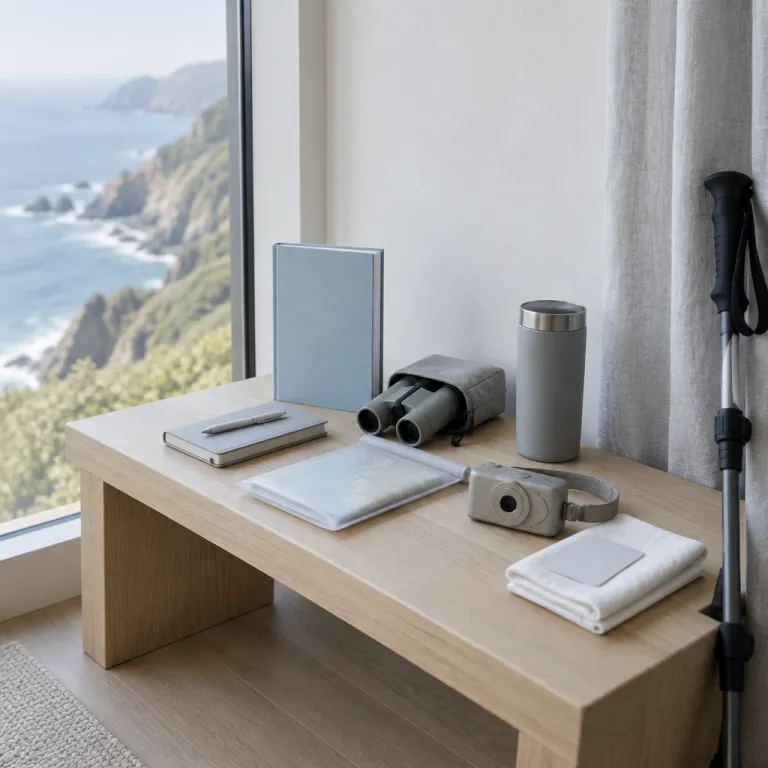
Planning a solo Big Sur trip around hiking and hotel comfort
Solo travellers planning a Big Sur trip usually start by choosing the right place to stay near the trails. When you match your hotel to the state park network and coastal paths, you turn simple Big Sur solo travel tips into a confident strategy for every hike and every evening. This rugged Big Sur coastline rewards anyone who plans their stay with the same care they plan each walk, from sunrise viewpoints to quiet nights by the fire.
The first decision is whether your trip will focus on one central area or follow the road in stages. Many solo guests prefer to stay in one hotel near a major state park, then use Highway 1 for day hikes along the road trip corridor between Carmel and San Simeon. Others design a flexible travel plan, moving south or north every two nights to visit big viewpoints, beaches and canyons without long backtracking drives, often pairing one inland hike with one shorter coastal walk each day.
Think about how you will move between trailheads, because public transport is limited in this part of the state. If you drive, choose a hotel with safe parking and easy access to the road, especially if you plan sunrise starts or late returns from the beach. If you prefer not to drive, focus your stay on properties close to key parks, where staff can help you find local shuttles, rideshares or guided outings, and always confirm options before you arrive so you are not relying on last minute arrangements.
Choosing the best area and time of year for hiking
For a solo hiker, the best area to stay in Big Sur depends on how much driving you enjoy and which landscapes you love most. North of the Big Sur River, around Carmel and the famous Bixby Bridge, you will find shorter coastal walks with sweeping ocean views and easier access to cafés and services. South towards Pfeiffer Beach and the wilder canyons near San Simeon, trails feel more remote and these parts of Big Sur reward travellers who value solitude and longer days on the trail.
When you plan your trip, think carefully about the time of year because weather shapes every hike. Spring and autumn usually offer the most stable conditions for visiting Big Sur, with cooler temperatures for climbing inland ridges and clearer days for walking along the beach and larger coves. Summer can bring coastal fog in the morning, while winter storms sometimes close sections of the road and limit access to a state park or two, so always check the latest Caltrans Highway 1 updates before you set off.
Solo guests who prioritise hiking should book a hotel with staff experienced in advising on trail closures and the safest things Big Sur can offer on any given day. Before you stay on the Big Sur side of the coast, ask how they share updates about landslides, surf conditions at Pfeiffer Beach and access to inland canyons. For more detail on matching your stay to waterfall walks and forest paths, study this guide to Big Sur waterfalls and hotels near the best trails before you confirm your reservation.
Matching your hotel stay to iconic trails and state parks
Every solo traveller arrives with a different vision of the perfect Big Sur trip, so your hotel choice should reflect the specific trails you most want to walk. If you dream of early light over the ocean at Bixby Bridge and easy access to Carmel-by-the-Sea, consider staying near the north end of the coast where you can reach both the bridge and the town in under an hour. Those who prefer forested canyons and the famous purple sands of Pfeiffer Beach might focus their stay on the central Big Sur area near Pfeiffer Big Sur State Park.
When you book, ask how long it takes to reach each state park and whether staff can help you find quieter trailheads at busy times. Properties such as Big Sur River Inn place you close to the Big Sur River corridor, where you can combine riverside walks with longer climbs into the hills for wide ocean views. Further south, a stay near San Simeon works well if you want to end your road trip with elephant seal viewing and gentler coastal paths such as the boardwalk at the Piedras Blancas rookery.
Solo hikers who value short, well marked routes should look for hotels close to easier circuits and viewpoints. A practical way to refine your Big Sur solo travel tips is to review this resource on easy hikes in Big Sur and hotels near the trails before you finalise your stay. It helps you visit Big Sur with a clear plan for each day, from quick morning walks like the Pfeiffer Falls Trail to longer afternoon outings that still leave time for a relaxed evening by the fire.
Iconic viewpoints, beaches and how to reach them safely alone
Some of the most memorable things Big Sur offers solo travellers are its viewpoints and beaches, but reaching them safely requires calm planning. The drive from San Francisco to Big Sur along Highway 1 is one of the world’s classic coastal routes, yet its narrow curves and steep drops mean you should allow more time than navigation apps suggest. Build generous margins into each day of your road trip so you can stop often without rushing between the beach and your hotel, especially if you are new to mountain driving.
Bixby Bridge is a highlight for many visitors, and solo drivers should plan their stop in advance to avoid sudden braking on the road. Use designated pullouts on the south side of the bridge for the best ocean views, then continue calmly towards your stay in the central Big Sur area. For big beach experiences, Pfeiffer Beach requires a slow descent on a narrow access road, so check conditions with your hotel before you go and avoid arriving close to sunset when parking is limited and the entrance may close once the lot is full.
Further south, the coastline towards San Simeon offers quieter coves and long views over the ocean that feel especially peaceful when travelling alone. If you visit Big Sur from Carmel-by-the-Sea, consider breaking the drive with a coffee or meal stop at Big Sur River Inn or another roadside lodge, which also gives you a chance to check weather and road updates. These pauses turn a simple transfer into part of the trip, helping you stay rested, alert and ready for the next trail.
Where to stay in Big Sur as a solo hiker
Choosing where to stay in Big Sur shapes every part of your solo hiking experience, from pre dawn starts to late night stargazing. Many independent travellers look for a hotel that balances seclusion with a sense of safety, especially when returning from the park after dark. Properties such as Post Ranch Inn and other coastal retreats offer dramatic ocean views, while places like Big Sur River Inn provide a more casual atmosphere beside the Big Sur River.
When you book, ask about lighting on paths, late check in options and how staff support solo guests who are out on the trail all day. A stay on the Big Sur side of the highway with on site dining can be invaluable when you return tired from a long walk and prefer not to drive again on the road at night. If you enjoy wine and local cuisine after a day in the state park network, this guide to Big Sur hotels with wine tasting nearby can help you find the best match for your tastes.
Some solo travellers prefer to base themselves near Carmel-by-the-Sea, using it as a gateway for visiting Big Sur on day trips while enjoying the town’s restaurants and galleries. Others choose a ranch inn style property further south, trading nightlife for quiet decks and closer access to trailheads. Whatever your preference, reserve early for the time of year you plan to travel, because coastal rooms in this part of the state are limited and the most sought after options fill quickly.
Safety, logistics and refined Big Sur solo travel tips
Thoughtful preparation turns a solo stay in Big Sur from a simple trip into a deeply reassuring experience. Mobile coverage is patchy along the road and inside many canyons, so always tell your hotel which state park or trail you plan to visit each day. Carry water, layers and a paper map, because even short walks near the ocean can feel remote once fog rolls in or the wind rises.
When driving from San Francisco or Carmel, start with a full tank and check for any closures that might affect your route south. Keep an eye on the time so you are not navigating the most winding sections of the road after dark, especially if you are unfamiliar with mountain driving. If conditions change suddenly, do not hesitate to adjust your plan, skip a beach or shorten a hike, because the Big Sur landscape will still be there on your next visit.
Solo travellers often find that the most valuable Big Sur solo travel tips come from local staff who know the rhythms of each time of year. Ask your hosts about quieter hours at Pfeiffer Beach, the safest places to park near popular viewpoints and how to find less crowded stretches of coast. With their guidance, your stay becomes more than a series of hikes; it becomes a carefully curated journey through one of the most dramatic shorelines in the state.
Key figures for solo travel and hiking in Big Sur
- California State Parks and local tourism agencies report that millions of people visit the Big Sur region and adjacent coastal parks annually, so solo travellers should book accommodation and trail plans well in advance during peak seasons.
- Highway 1 between Carmel and San Simeon stretches for roughly 145 kilometres (about 90 miles), which means drivers should allow at least three to four hours of unhurried travel time, excluding stops for photos and meals.
- Typical coastal temperatures in Big Sur range from about 10 to 21 degrees Celsius across much of the year, creating comfortable conditions for hiking if you carry layers for wind and fog.
- Sections of Highway 1 in the Big Sur area have experienced closures lasting several months after major storms or landslides, so checking official Caltrans updates before and during your trip is essential for safe route planning.
- Some of the most popular trails in Pfeiffer Big Sur State Park and nearby reserves can see hundreds of hikers per day on holiday weekends, which makes early morning starts especially valuable for solo visitors seeking quieter paths.
FAQ about solo hotel stays and hiking in Big Sur
Is Big Sur safe for solo travellers staying in hotels
Big Sur is generally considered safe for solo travellers who use standard precautions and choose reputable hotels. Most properties along the coast are used to welcoming independent guests and can advise on safe parking, local conditions and suitable trails. As with any remote area, informing staff of your daily hiking plans and return time adds an extra layer of security.
Which part of Big Sur is best for a first solo hiking trip
For a first visit, many solo travellers prefer the corridor between Carmel-by-the-Sea and Pfeiffer Big Sur State Park. This area combines iconic viewpoints, established trails and a good choice of hotels with on site dining. It also keeps driving distances manageable while still allowing day trips further south towards San Simeon.
Do I need a car for a solo stay and hiking holiday in Big Sur
A car is strongly recommended for a solo stay focused on hiking in Big Sur, because public transport is extremely limited. Having your own vehicle makes it easier to reach trailheads, beaches and viewpoints at flexible times. If you prefer not to drive, base yourself near central parks and ask your hotel about local guides or transfer services.
How far in advance should I book a hotel for peak hiking seasons
For popular periods such as spring wildflower season and autumn weekends, booking three to six months ahead is sensible. The number of rooms along the Big Sur coast is limited and many properties sell out quickly. Early reservations also give you more choice of locations close to your preferred trails.
What should I look for in a hotel as a solo hiker
Solo hikers should prioritise hotels with reliable communication, flexible meal options and staff who understand local trail conditions. Features such as early breakfast, packed lunch options and secure parking can make each hiking day smoother. It is also worth asking about lighting, path layouts and late check in procedures when you reserve.