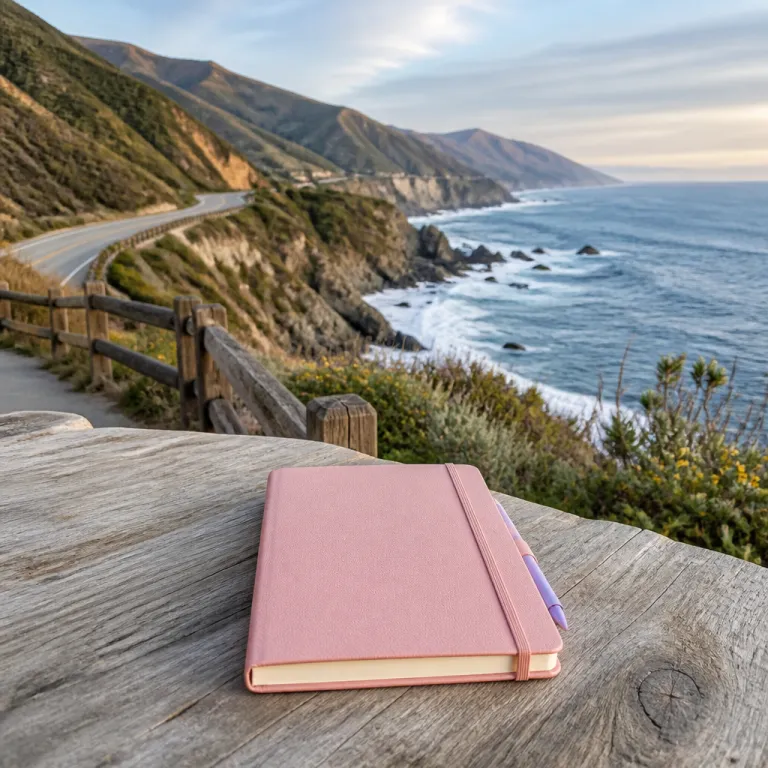
Planning your stay: how free experiences shape where you sleep
Choosing a hotel in Big Sur is easier when you first map the free things to do in Big Sur that matter most to you. If sunrise walks on a quiet beach or an afternoon in a state park are priorities, you can then align your room choice along Highway 1 for minimal driving and maximum coastal calm. This approach turns your accommodation into a base camp for the best things you can enjoy without paying separate attraction fees, from dramatic ocean viewpoints to forest trails.
Most visitors arrive by car because Big Sur in California stretches for roughly 90 miles along the Pacific Ocean between Carmel-by-the-Sea and Ragged Point. When you plan free things to do in Big Sur, look closely at parking options near each state park, beach access and viewpoint, since some parking lots are free while others charge modest day-use fees. Official guidance that some areas offer free parking while others require payment is accurate on the ground, and it should influence whether you choose a hotel with reliable on-site parking or are comfortable relying on official lots and clearly signed roadside turnouts where stopping is permitted.
For travellers who value comfort, the smartest tactic is to stay near the cluster of free attractions around Pfeiffer Beach, Pfeiffer Big Sur State Park and the Henry Miller Memorial Library. This central stretch of Big Sur California reduces driving time to both northern highlights near Point Lobos State Natural Reserve and southern icons such as Julia Pfeiffer Burns State Park and McWay Falls. Use Google Maps offline to mark each free stop, then compare how long it takes to reach them from different hotels so that your evenings remain relaxed rather than rushed.
Coastal viewpoints and beaches: free ocean drama near your hotel
Many of the most memorable free things to do in Big Sur involve simply standing at a point above the Pacific Ocean and letting the scenery work on you. From the balcony of a cliffside room or a roadside turnout along Highway 1, you can watch the light change over the water while sea birds trace the line where the mountains meet the sea. If you stay near the northern end of Big Sur, you will find that sunrise drives toward Garrapata State Park or Carmel-by-the-Sea feel effortless and reward you with almost empty viewpoints.
Point Lobos State Natural Reserve, just south of Carmel-by-the-Sea, is one of the best things to experience on a calm day, and it is close enough that many Big Sur hotels in the north market themselves as gateways to this coastal treasure. Officially there is a vehicle fee for the main parking lot, and California State Parks notes that day-use fees support trail and habitat maintenance, but you can sometimes use designated roadside spaces outside the entrance and walk in, which turns the reserve into one of the most cost-effective coastal outings in this part of California. Trails here are short and well marked, so you can comfortably fit a visit between a leisurely hotel breakfast and an afternoon spa session.
Further south, Pfeiffer Beach is reached by a narrow side road off Highway 1, and there is a fee for the parking lot managed by the U.S. Forest Service. Walking in from the highway is not recommended because of safety concerns on the steep access road, so treat the parking charge as part of the experience rather than a cost to avoid. The reward is a wide, wild beach framed by purple-tinted sand and rock arches that glow at sunset, making it a favourite for photographers staying in nearby Big Sur lodges. If you prefer quieter sands, consider a hotel closer to Garrapata, where signed coastal access points allow you to step from your car to the beach in minutes and still be back in your room before the evening chill sets in.
Redwood forests and river trails: free state park experiences from your doorstep
Among the most restorative free things to do in Big Sur are walks beneath coastal redwoods, and choosing the right hotel can place these forests almost at your doorstep. Pfeiffer Big Sur State Park offers riverside trails, picnic areas and day-use access that feel worlds away from Highway 1 traffic. If you stay in the central Big Sur valley, you can leave your car at your accommodation and walk or take a very short drive to the park entrance, saving both time and parking stress.
Inside this state park you will find easy trails that follow the Big Sur River, cross wooden bridges and pass through groves where the air smells of bay laurel and damp earth. These trails count among the best things for families because they combine shade, short distances and frequent access to the water, which is ideal after a long day of driving along the Pacific Ocean. When you plan free things to do in Big Sur, consider alternating a forest trail day in Pfeiffer Big Sur State Park with a coastal day at Garrapata or Point Lobos so that your stay feels balanced rather than repetitive.
South of the central valley, Julia Pfeiffer Burns State Park is home to the famous McWay Falls, where a slender stream drops directly to a tiny cove beside the ocean. The main McWay Falls overlook trail is short, free to walk and easily reached from a small parking area on the inland side of the highway, though many visitors simply use official roadside turnouts instead of the main lot when they are available. If you choose a hotel between Big Sur village and Ragged Point, you can time your visit to McWay Falls for early morning or late afternoon, when the light is softer and the crowds thinner, turning a simple viewpoint into one of the most elegant free experiences of your trip.
Literary, cultural and roadside stops: adding depth without adding cost
Not all free things to do in Big Sur involve long hikes or sandy shoes, and this matters when you are staying in a comfortable hotel and prefer unhurried days. The Henry Miller Memorial Library, set among redwoods just off Highway 1, is a relaxed cultural stop where you can browse books, view art and sit in the garden without paying an entrance fee, though donations are encouraged to support events and maintenance. Many guests staying nearby treat it as an afternoon ritual, walking from their room for an hour of quiet reading before returning for dinner.
Roadside viewpoints along Big Sur California are attractions in their own right, and they cost nothing beyond the fuel to reach them. Between Carmel-by-the-Sea and Ragged Point you will find numerous signed turnouts where you can park safely, step out and absorb the scale of the cliffs and the Pacific Ocean below, often with only a handful of other visitors. When you plan free things to do in Big Sur, ask your hotel staff which nearby points they favour at sunset, because local recommendations often lead to less crowded spots than the famous bridges.
Ragged Point, at the southern gateway to Big Sur, offers one of the most dramatic panoramas on the entire coast, and it is an easy stop if you are staying in the southern sector. Here you can stroll landscaped grounds, peer over railings at the ocean far below and, if you wish, follow a steep trail toward the beach, all without paying an access fee. Combining a night near Ragged Point with a stay closer to Pfeiffer Beach or Point Lobos State Natural Reserve allows you to sample both the wild and the manicured faces of Big Sur in a single trip.
Practical elegance: using maps, parking and timing to enhance your stay
Elegant travel in Big Sur is less about luxury labels and more about how smoothly your days unfold around the free things to do in Big Sur that you care about. Before you arrive, download the region on Google Maps for offline use, then create a custom list that includes Point Lobos State Natural Reserve, Garrapata State Park, Pfeiffer Beach, Pfeiffer Big Sur State Park, Julia Pfeiffer Burns State Park, McWay Falls and Ragged Point. This simple step means that even when mobile coverage drops along Highway 1, you can still find each trailhead, parking lot and viewpoint without stress.
Parking strategy has a direct impact on how restful your hotel stay feels, because circling crowded lots can quickly erode the calm you came for. When you research free things to do in Big Sur, pay attention to whether each site offers free roadside parking, paid day-use lots or a mix of both, and then plan your arrival times accordingly. California State Parks and Los Padres National Forest generally recommend arriving early in the day, and early morning and late afternoon usually offer the best combination of softer light, easier parking and quieter trails, which pairs well with a leisurely mid-day break back at your room.
Safety and comfort also matter, especially if you are travelling with family or older relatives who will appreciate shorter walks from car to viewpoint. Check weather forecasts before each day’s outing, wear sturdy footwear for trails at Garrapata or Julia Pfeiffer Burns and carry water even for short walks to McWay Falls or the Big Sur River. By aligning your daily rhythm with the natural pace of the coast, you transform free activities into a seamless extension of your hotel experience rather than a separate, exhausting agenda.
Aligning hotel locations with your favourite free experiences
Because the Big Sur coastline in California covers about 90 miles of Highway 1, choosing where to stay is essentially choosing which free things to do in Big Sur will be closest and most convenient. A northern base near Carmel-by-the-Sea places you within easy reach of Point Lobos State Natural Reserve, Garrapata State Park and several informal beach access points, which is ideal if you enjoy shorter drives and more structured trails. A central stay near Pfeiffer Big Sur State Park, the Henry Miller Memorial Library and Pfeiffer Beach offers a classic Big Sur atmosphere with redwoods, river walks and ocean sunsets all within a short radius.
Travellers who prefer quieter roads and fewer crowds often choose the southern stretch between Julia Pfeiffer Burns State Park and Ragged Point. From here, McWay Falls, remote viewpoints and occasional informal trails down toward the ocean become your regular haunts, while the drive back to your room after sunset remains short and scenic. When you compare hotels, look beyond room photos and ask how long it takes by car to reach your top three free sites, because that number will shape every day of your stay.
Whatever part of Big Sur California you choose, remember that the most elegant experiences rarely cost anything beyond your time and attention. Watching fog lift from the hills, listening to waves from a roadside point or following a shaded trail beside the Big Sur River are all free, yet they define the region more than any paid attraction. By letting these moments guide both your itinerary and your choice of accommodation, you ensure that comfort and authenticity support each other throughout your trip.
Key figures for planning a refined Big Sur escape
- Big Sur receives several million visitors each year according to California State Parks and regional tourism summaries (for example, California State Parks Statistical Report 2019–2020, published 2021), so planning early morning or late afternoon outings helps you enjoy popular free sites like McWay Falls and Point Lobos with fewer crowds.
- The scenic section of Highway 1 commonly referred to as Big Sur runs for roughly 90 miles, meaning that a hotel’s location can change your driving time to key free attractions by an hour or more each day.
- Public agencies report that this coastline includes extensive protected lands and parks managed by California State Parks, Los Padres National Forest and other agencies, which explains why so many of the best things to do in the region remain free or low cost for day visitors.
FAQ about free experiences in Big Sur for hotel guests
Are there free camping spots in Big Sur if I prefer not to stay in a hotel?
Yes, dispersed camping is available in Los Padres National Forest, which covers large inland areas above Big Sur, but it requires self-sufficiency and careful attention to fire regulations. Many travellers combine a few nights of comfortable hotel stays along the coast with a night or two of forest camping to balance comfort and immersion. If you plan this mix, book your hotel dates first, then slot camping nights between days when you visit inland trails rather than coastal viewpoints.
Is parking free at Big Sur attractions when I drive from my hotel?
Some areas offer free parking; others may charge fees, and this variation is especially noticeable between roadside pullouts and official state park lots. For example, California State Parks lists day-use fees at locations such as Point Lobos and Julia Pfeiffer Burns State Park, while certain signed turnouts along Highway 1 remain free but limited. Ask your hotel staff for current local advice, because they usually know which lots fill early and where legal roadside options are both permitted and safe.
Are pets allowed on Big Sur trails near popular hotels?
Policies vary; check specific trail regulations, because some state park trails prohibit dogs while certain beaches and forest roads allow them on leash. Before booking a pet-friendly room, list the free things to do in Big Sur that interest you most and verify their pet rules so that your plans remain realistic. Many travellers with dogs focus on coastal viewpoints, drive-up beaches and forest roads rather than narrow cliffside trails.
Can I enjoy Big Sur without a car if I stay in one location?
Public transport is extremely limited, so a car remains the most practical way to reach scattered free sites such as McWay Falls, Ragged Point and Garrapata State Park. However, if you choose a hotel in the central Big Sur valley, you can walk to Pfeiffer Big Sur State Park, the Henry Miller Memorial Library and some river viewpoints directly from your room. For a car-free stay, focus on one compact area and accept that you will experience a smaller but still rewarding slice of the coast.
How many days should I plan to enjoy the main free attractions comfortably?
A refined yet unhurried stay usually requires at least three full days, allowing one day for northern highlights near Point Lobos, one for central sites like Pfeiffer Beach and Pfeiffer Big Sur State Park and one for southern icons such as Julia Pfeiffer Burns State Park and Ragged Point. With four or five days, you can add slower mornings at your hotel, repeat favourite viewpoints and include a forest trail or two without rushing. The key is to group nearby attractions by day so that you spend more time by the ocean or under redwoods and less time in the car.
Sources
California State Parks – Statistical Report 2019–2020 (published 2021, accessed 2024) ; California State Parks – individual park unit pages for Point Lobos State Natural Reserve, Julia Pfeiffer Burns State Park and Pfeiffer Big Sur State Park (accessed 2024) ; California Department of Transportation – Highway 1 mileage and closure updates for the Big Sur coast (accessed 2024) ; U.S. Forest Service – Los Padres National Forest recreation and dispersed camping guidelines (accessed 2024)