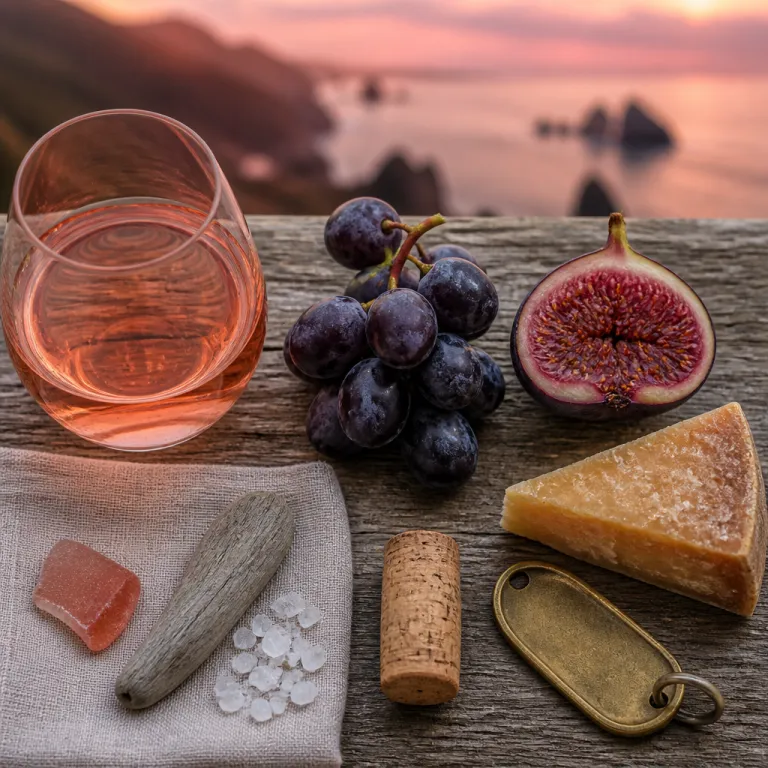
Why Big Sur hotels pair so well with wine tasting nearby
Big Sur stretches along a dramatic coastal corridor where mountains meet the sea. In this rugged part of California, hotels such as Post Ranch Inn, Ventana Big Sur, Deetjen’s Big Sur Inn, and Big Sur River Inn sit within easy driving distance of several serious wine tasting rooms and working vineyards in Carmel Valley, Monterey, and the wider Central Coast. For travellers who care about both a refined glass of wine and an ocean view, that proximity creates a perfect balance between vineyard valley and cliffside retreat.
Staying in Big Sur rather than inland gives you the cool-climate evenings and salt air that many wines reflect in their structure and freshness. You can spend time exploring the Central Coast during the day, then return to a quiet terrace where a sommelier can bring a glass of local wine to your table. This rhythm turns a simple overnight stay into a layered experience that connects the coastal landscape, the rocky marine soils of nearby vineyards, and the glass in your hand.
Guests often ask whether they should base themselves in a valley winery inn or at a coastal hotel with Big Sur wine tasting nearby. For most, the answer is clear: the sea views, natural light, and access to both Carmel Valley Village and Monterey tasting rooms make the coast the more versatile choice. When you can taste wines in the afternoon and watch the sun drop into the sea after dinner, the California Central Coast wine country feels both intimate and expansive at the same time.
Oceanview dining and tasting menus that honour the central coast
Some of the most memorable meals in Big Sur unfold in dining rooms perched above the sea. Here, chefs design tasting menus that echo the structure of local wine, moving from bright coastal dishes to deeper flavours that mirror the way wines reflect marine-influenced hillsides and cool-climate vineyards. When a hotel restaurant understands its place in the California Central Coast landscape, every course and every wine pairing feels intentional rather than decorative.
At many properties, the sommelier team curates flights that bring together wines from Carmel Valley, Monterey, and the Santa Lucia Highlands. You might taste a cool-climate Chardonnay whose acidity recalls the sea breeze, followed by a Pinot Noir grown on decomposed sandstone and volcanic rock that adds a subtle mineral edge. This kind of guided wine tasting allows you to compare how different valleys and slopes within California shape both singular wines and broader regional styles.
For travellers researching how coastal restaurants shape a hotel stay, resources such as guides to Big Sur oceanview dining can clarify which properties take pairing seriously. Look for menus that offer both wine flights and by-the-glass options, so you can taste several wines without rushing through the evening. When the kitchen and cellar work together, the time you spend at the table becomes the perfect bridge between your day in nature and your night above the sea.
Planning a stay with Big Sur wine tasting nearby
Choosing the right hotel in Big Sur starts with mapping how you want to spend each day. If wine tasting is a priority, look for properties that sit within a comfortable drive of Carmel Valley, where many Central Coast wineries maintain elegant rooms and patios. This valley offers a cluster of producers, so you can taste several wines in one outing without spending too much time in the car.
Many travellers pair a morning hike with an afternoon wine tasting, using the cooler hours for the trail and the warmer part of the day for the glass. To coordinate both, consult planning resources such as this guide to easy hikes and hotels near the trails, then layer in visits to nearby winery addresses. When your hotel concierge understands both the natural landscape and the wine scene, they can bring together a seamless itinerary that respects driving times, tasting room hours, and your own pace.
It helps to think of your stay as a sequence: sea views at breakfast, a coastal walk, then a valley drive for wine tasting before returning to Big Sur for dinner. Over the course of a single year, many guests repeat this pattern, refining which wineries they visit and which bottles they bring back to enjoy on their terrace. The more you align your hotel choice with the rhythm of the Central Coast, the more each wine, each taste, and each landscape view will feel like parts of one coherent experience.
Understanding the wines and terroirs behind Big Sur tastings
When you sit down for wine tasting near Big Sur, you are really sampling the broader California Central Coast. Vineyards in Carmel Valley, the Santa Lucia Highlands, and coastal areas near Monterey share a maritime influence that keeps days warm but nights distinctly cool. This cool-climate pattern slows ripening, helping wines reflect both ripe fruit and precise acidity rather than heavy sweetness.
Soils add another layer, especially where volcanic rock mixes with sandstone and shale on the slopes above the valley floors. Grapes grown on these sites often produce wine with a subtle mineral line, a sensation that many tasters describe as a stony or saline taste echoing the nearby sea. When you compare wines from different parcels during a guided tasting, you begin to see how even small changes in exposure or soil type can bring unique character to each glass.
Hotels that take their wine lists seriously will often highlight these distinctions, grouping wines by valley, by altitude, or by distance from the sea. Over time, regular visitors learn to recognise how Central Coast Pinot Noir differs from its cousins in other parts of California, and how Chardonnay from a cool-climate slope contrasts with one grown on deeper valley soils. This kind of education turns a casual drink into a deeper experience, making Big Sur wine tasting nearby a genuine window into the region rather than a generic coastal pastime.
How to choose a hotel that elevates your wine experience
Not every property in Big Sur engages with wine at the same level, so your choice of hotel matters. Start by asking whether the restaurant team offers structured wine tasting flights, curated pairings, or cellar tours that explain why certain wines reflect the local climate. A hotel that invests time in training its staff usually delivers a more coherent experience from the first welcome glass to the final nightcap by the sea.
Look closely at the wine list: a thoughtful selection will include both Central Coast producers and a few international benchmarks for context. You should see names from Carmel Valley, the Santa Lucia Highlands, and other Central Coast appellations alongside classic regions from Europe, allowing you to taste how different cool-climate styles compare. When a sommelier can bring you through these contrasts in clear language, the evening becomes both educational and deeply relaxing.
Service details matter as well, especially for guests who plan to taste wines over several nights rather than in a single rush. Ask whether the hotel can store bottles you bring back from a valley winery, or arrange a private tasting on your terrace timed to sunset over the sea. These small touches transform Big Sur wine tasting nearby from a one-off outing into a thread that runs through your entire stay, connecting the natural landscape, the cellar, and your own sense of time away.
Designing a multi day coastal and valley wine itinerary
Once you have chosen a hotel with strong wine credentials, you can design a multi day plan that balances rest, exploration, and tasting. One classic pattern is to spend the first day close to Big Sur itself, enjoying the coastal scenery and perhaps a relaxed wine tasting flight on site to understand how the hotel’s list reflects the wider California Central Coast region. This gentle start lets you adjust to the cool evenings and the rhythm of the sea before driving inland.
On the second day, many guests head toward Carmel Valley, where a dense cluster of tasting rooms and winery patios makes it easy to sample several wines without long transfers. From central Big Sur, the drive to Carmel Valley Village typically takes 60 to 75 minutes, so a realistic plan might be a 9:00 breakfast, an 11:00 tasting reservation, a 13:00 lunch, and a final tasting around 15:00 before returning to the coast. By tasting side by side, you can feel how small shifts in exposure and altitude bring unique textures and flavours to each wine.
A third day could focus on the northern stretch of the Central Coast, perhaps including a stop in Monterey or a visit to a Santa Lucia Highlands producer before looping back to the sea. Over the course of the year, many travellers refine this circuit, returning to favourite wineries while leaving space for new addresses that offer fresh perspectives on California wine. When your hotel team helps coordinate reservations and driving times, the entire itinerary feels seamless, allowing you to stay present with each taste, each view, and each quiet evening above the waves.
Key figures that frame Big Sur and central coast wine travel
- The broader Central Coast American Viticultural Area includes more than 100,000 hectares of vineyards, giving travellers staying in Big Sur access to one of California’s largest and most diverse wine regions within a few hours’ drive, according to data from the Wine Institute of California.
- Cool-climate influences are strong: in many coastal valleys, average growing-season temperatures run several degrees lower than inland California zones, which helps wines maintain higher natural acidity and more moderate alcohol levels, as reported in University of California viticulture studies.
- Carmel Valley, a common day trip from Big Sur, hosts dozens of tasting rooms in a compact area, allowing visitors to sample multiple wineries in a single afternoon without exceeding safe driving distances.
- Regional tourism reports from Monterey County Convention and Visitors Bureau consistently show that travellers who combine coastal stays with wine tasting spend more per trip than day visitors, reflecting the added value of lodging, dining, and cellar purchases.
- Soils derived from volcanic rock and marine sediments are widespread along the Central Coast, and research from viticulture institutes links these mixed soils to distinctive mineral notes that many tasters perceive in local wines.
FAQ about Big Sur stays with wine tasting nearby
How far are the main wine regions from most Big Sur hotels ?
From central Big Sur, Carmel Valley tasting rooms are typically about 40 to 60 kilometres away by road, depending on your exact hotel location. That distance usually translates to under an hour of driving in normal conditions, making a half-day or full-day wine tasting trip realistic. More northern Central Coast areas near Monterey and the Santa Lucia Highlands require a longer outing and are better suited to a full-day excursion.
Is it better to stay inland in the valley or on the coast ?
For travellers who value both scenery and wine, staying on the coast in Big Sur offers the strongest overall experience. You can enjoy sea views, coastal hikes, and cool evenings, then drive inland to the valley for concentrated wine tasting sessions. Inland stays place you closer to some wineries, but they lack the dramatic coastal setting that defines a classic Big Sur trip.
Do Big Sur hotels usually offer their own wine tastings ?
Many higher-end properties in Big Sur now host on-site wine tasting flights or curated pairings in their restaurants and lounges. These often focus on Central Coast producers, highlighting how local wines reflect cool-climate conditions and marine-influenced soils. It is worth asking in advance whether tastings are scheduled regularly or only available by special arrangement.
Can I bring bottles back from the valley to enjoy at my hotel ?
Most hotels are happy for guests to bring back wines purchased at a winery, though restaurants may charge a corkage fee if you open them at dinner. If you plan to buy several bottles, ask whether the property can store them at the proper temperature during your stay. This allows you to taste a wine at the winery, then revisit it later while watching the sea from your room or terrace.
What is the best time of year to combine Big Sur and wine tasting ?
Spring and autumn are often ideal, with comfortable coastal temperatures and active winery calendars in the valley. During these seasons, the cool-climate influence is pleasant rather than harsh, and driving conditions along the Central Coast are usually favourable. Summer can be beautiful as well, but planning ahead is essential because both hotels and tasting rooms book quickly.
Trusted references for further reading
- Wine Institute of California
- California Department of Parks and Recreation
- Monterey County Convention and Visitors Bureau