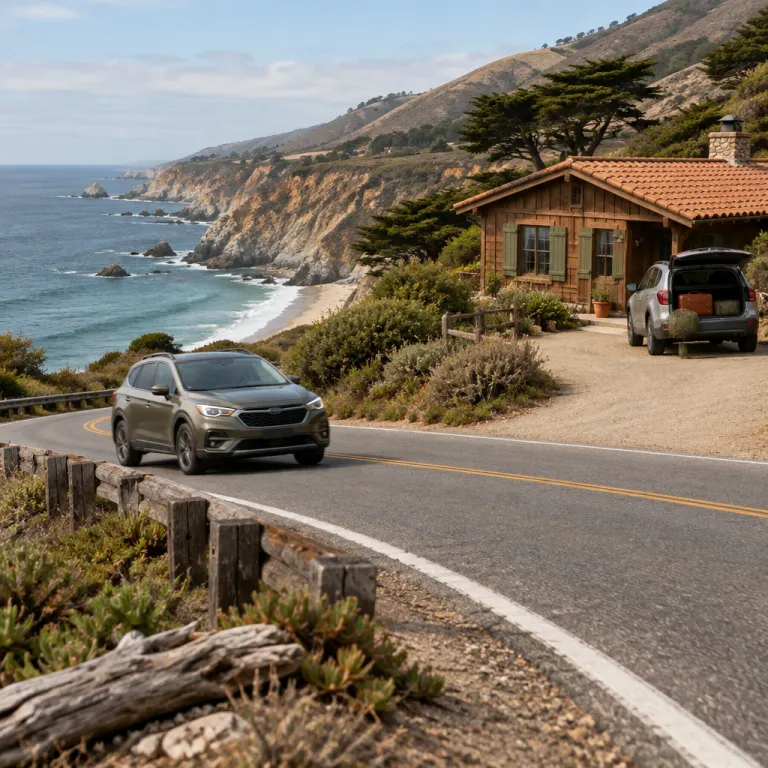
Planning big sur from san jose by car for hotel‑focused travelers
Driving big sur from san jose by car is one of California’s most rewarding coastal journeys, especially if you care where you sleep as much as how you drive. The route lets you turn a simple transfer into a curated progression of stays, from understated lodges near each state park to refined oceanfront hotels with wide terraces. With a bit of forethought, you can balance long stretches of Highway 1 with restful nights in properties that frame the most beautiful views rather than just offering a place to sleep.
Most travelers leave from San José and reach the first coastal stretch near Monterey in around ninety minutes, depending on traffic and the day of the week. From there, Highway 1 becomes the main stage, with the road trip unfolding past Point Lobos, Carmel-by-the-Sea and the famous Bixby Creek Bridge before you reach the heart of Big Sur. When you map the route on Google, build in extra time for photo stops, short walks to each beach and at least one longer pause inside a state park such as Garrapata or Andrew Molera.
If you are flying into San Francisco, starting your Big Sur road trip from San José still makes sense because rental prices are often lower in the South Bay than in central San Francisco. You can spend a night in the city, then drive from San Francisco to San José early in the day and continue south, turning the transfer into a relaxed day trip. This approach gives you lots of flexibility to compare each hotel review, adjust your budget and decide whether you prefer to stay near the Big Sur River, closer to Pfeiffer Big Sur State Park or in a quieter inland canyon.
Choosing where to stay along the sur road and Highway 1
Once you commit to big sur from san jose by car, the next decision is how to divide your nights along the coastal highway. Some guests prefer to base themselves in Carmel or Carmel-by-the-Sea, using a refined inn there as a hub and driving into Big Sur for each day trip. Others book one night near Point Lobos or Carmel-by-the-Sea, then move deeper south to a hotel near Pfeiffer Big Sur State Park or Julia Pfeiffer Burns State Park to shorten the distance to sunrise viewpoints and evening beach walks.
For travelers who value calm, staying near the Big Sur River can be ideal because you are close to Pfeiffer Beach, Pfeiffer Big Sur State Park and several trailheads while still having access to cafés and small markets. Properties perched above the water often command higher rates, but they reward you with some of the best coastal views anywhere on the California coast. Inland lodges near redwood groves may not face the sea, yet they offer lots of privacy and a softer microclimate on foggy days when the beach is cool and windy.
To make the options more concrete, you might compare a classic Big Sur lodge roughly five kilometres from Pfeiffer Beach with a luxury resort about twenty minutes north of McWay Falls, where nightly rates can range from around US$250–350 for simple cabins to well over US$1,000 for suites with full ocean views. It helps to align your hotel choices with key stops like Bixby Creek Bridge, McWay Falls and Point Lobos State Natural Reserve rather than booking blindly based only on a single online review. When you match each overnight stop with a nearby state park or beach, your road trip feels coherent and you avoid backtracking long distances in a single day.
Hidden retreats off Highway 1: where to find real seclusion
Highway 1 may feel busy in peak season, yet a short detour from the main sur road can lead you to hidden retreats that feel worlds away. Many of the most atmospheric hotels sit up narrow canyon roads or on ridges above the Big Sur River, where the only sounds at night are wind and water. These properties often have fewer rooms, so you should secure reservations well before your trip, especially if you are arriving from San José on a weekend or public holiday.
Look for stays near Pfeiffer Big Sur State Park or Julia Pfeiffer Burns State Park that are set back from the highway, as they usually offer more privacy and darker night skies. A hillside lodge above McWay Falls will not place you directly on the sand, but it will give you fast access to sunrise walks and some of the most beautiful views on the entire coast. Inland cabins near redwood groves can be equally appealing, particularly if you want to pair a quiet forest night with a next day trip to Pfeiffer Beach or another wild beach with purple sand.
If you are still in the scouting phase, consider a focused Big Sur day trip from San Francisco to scout future hotels. You can drive from San Francisco to Monterey, continue past Bixby Creek Bridge and McWay Falls, then note which hidden driveways and canyon roads appeal to you for a longer stay. On one recent visit, for example, a short detour up a side road near the Big Sur River revealed a tiny cluster of cabins with hammocks and a shared hot tub that felt far more peaceful than the busier highway motels. Later, when you plan big sur from san jose by car for a full holiday, you will already know which secluded areas feel right for your style and which state park access points you want nearby.
Key stops between San José, Monterey, Carmel and Big Sur
The first major pause on the drive from San José usually comes in Monterey, where you can refuel, stretch your legs and check the latest road conditions before continuing toward Big Sur. From San José to Monterey via Highway 101 and Highway 156 is roughly 120 kilometres, or about seventy-five minutes in light traffic. From Monterey to Carmel-by-the-Sea, the coastline begins to open up, and the water takes on that intense blue that makes this road trip so memorable. Many travelers choose to stay one night in Carmel-by-the-Sea, using its walkable streets and restaurants as a gentle transition between city life and the wilder stretches of Big Sur.
South of Carmel, Point Lobos State Natural Reserve is a highlight that deserves at least half a day, especially if you enjoy coastal trails and wildlife. Parking inside the state park can be limited, and the reserve now uses a timed-entry system on some days, so arriving early in the day gives you the best chance of finding a space and still leaving time to reach your Big Sur hotel before dark. After Point Lobos, the road climbs and curves toward Bixby Creek Bridge, where the combination of cliffs, arches and water creates one of the most photographed views on the Pacific coast.
Beyond Bixby Creek, the drive to Big Sur village passes several pullouts with wide ocean panoramas and access paths down to small beach coves. When you plan big sur from san jose by car, allow generous time for these unscheduled stops because they often become the most vivid memories of the trip. By the time you reach Pfeiffer Beach or the entrance to Pfeiffer Big Sur State Park, the light may already be soft, which is ideal for walking on the purple sand or watching the waves frame the Keyhole Arch.
Beaches, state parks and signature viewpoints for hotel guests
Many travelers booking hotels in Big Sur care as much about nearby landscapes as about room design, and the region’s beaches and state parks justify that focus. Pfeiffer Beach is famous for its purple sand and the Keyhole Arch, and it lies a short drive from several of the area’s most established hotels. McWay Falls, inside Julia Pfeiffer Burns State Park, offers a different kind of beauty, with a slender waterfall dropping directly onto a small cove where the water shifts from turquoise to deep blue.
When you evaluate where to stay, check how long it takes to reach each state park or beach from the property, not just how far it looks on a map. A hotel that sits ten kilometres north of Pfeiffer Beach may still require a longer driving time than one slightly farther south if the coastal highway in that section is especially winding. Guests who value sunrise or sunset photography often prefer locations that give them quick access to both McWay Falls and Pfeiffer Beach on the same day trip, reducing the need to rush between viewpoints.
Point Lobos, though technically closer to Carmel-by-the-Sea than to Big Sur village, is another essential stop that pairs well with a stay in either area. If you are driving big sur from san jose by car over several days, you might spend one night in Carmel-by-the-Sea for easy access to Point Lobos and Carmel Beach, then move south for two nights near the Big Sur River. This pattern lets you enjoy both the refined atmosphere of Carmel and the wilder character of Big Sur’s cliffs, beaches and state park trails.
Practical driving tips, timing and safety on the coastal route
Driving big sur from san jose by car is straightforward in good weather, but the road’s curves and cliffs demand attention and unhurried timing. Aim to leave San José early in the day so that you reach the most dramatic stretches of Highway 1 between Carmel and Big Sur while the light is still high. This schedule also gives you time to handle any temporary closures or delays without arriving at your hotel after dark, when the coastal highway can feel more challenging.
Check Google Maps and the California Department of Transportation website before you depart, as landslides sometimes close sections of Highway 1 and require detours. The Caltrans QuickMap page for Highway 1 shows current closures, one-way controls and estimated reopening times, and it is updated frequently by state engineers. If part of the road trip is blocked, you may need to adjust your hotel bookings, perhaps spending more time in Monterey or Carmel and focusing on Point Lobos and nearby state park trails instead of driving the full Big Sur length. Keeping your first and last nights flexible can protect your plans and ensure that you still enjoy beautiful views, even if the exact route changes.
Carry water, snacks and layers in the car, because services between Carmel and the more remote Big Sur lodges are limited and fuel stations are sparse. The last widely used fuel options before the main Big Sur stretch are typically in Carmel and in Big Sur village itself, so topping up your tank there is wise. Mobile coverage can be inconsistent, so download offline maps and keep your hotel addresses written down in case your signal drops near Bixby Creek Bridge or McWay Falls. When you park for a beach walk or a short hike, avoid leaving valuables in sight, as car break ins, while not rampant, do occur in popular coastal areas.
Pairing ocean views, hidden retreats and comfortable hotel stays
One of the most satisfying ways to experience big sur from san jose by car is to combine a night or two of ocean view camping with a stay in a comfortable hotel. This pairing lets you wake up to the sound of water and wind in a simple campsite, then transition to a property with deep beds, hot showers and refined dining. Many travelers find that this rhythm of contrast makes each part of the trip feel richer, especially when they choose campsites near a state park and hotels tucked into quiet canyons above the Big Sur River.
If you are considering this mixed approach, a detailed resource such as this guide on pairing Big Sur ocean view camping with a comfortable hotel stay can help you coordinate reservations. You might camp one night near Pfeiffer Beach or another accessible beach, then move to a hotel closer to Julia Pfeiffer Burns State Park or McWay Falls for easier access to sunrise viewpoints. This strategy works especially well for guests arriving from San Francisco or San José who want to maximise time outdoors without sacrificing rest.
When you read each hotel review, pay attention not only to service and design but also to how guests describe noise levels, parking and proximity to the coastal highway. A property set directly on Highway 1 may offer dramatic views but more traffic sound, while a retreat up a side road near Pfeiffer Big Sur State Park might trade immediate ocean vistas for deeper quiet. By aligning your expectations with the landscape and planning your route from San José with realistic driving times, you will give yourself the best chance of a calm, memorable stay in Big Sur.
Key figures for planning big sur from san jose by car
- The driving distance from San José to central Big Sur via Highway 1 is roughly 190 kilometres, which usually takes around three to four hours without long stops, according to the California Department of Transportation.
- Point Lobos State Natural Reserve limits daily vehicle entries to protect wildlife and trails, and on busy weekends parking lots can fill by late morning, which is why arriving before 09:00 significantly improves your chances of entry.
- Highway 1 through Big Sur experiences periodic closures from landslides, and state data show that major disruptions have occurred several times over the past decade, so checking official updates before departure is essential.
- Monterey and Carmel together offer several thousand hotel rooms, while the core Big Sur area has only a small fraction of that capacity, which explains why coastal properties often sell out weeks in advance during peak seasons.
- Average summer daytime temperatures in Big Sur typically range between 15 and 21 degrees Celsius, cooler than inland California cities, so packing layers is important even for short beach walks or day trips from San José.
FAQ about driving and staying in Big Sur from San José
How long does it take to drive from San José to Big Sur ?
The drive from San José to central Big Sur via Monterey and Carmel usually takes three to four hours in normal traffic. This estimate assumes you follow Highway 101 and then Highway 1 without extended stops. If you plan to visit Point Lobos, Bixby Creek Bridge or Pfeiffer Beach on the same day, allow at least six to eight hours in total.
Is it better to stay in Carmel or in Big Sur itself ?
Carmel offers more restaurants, shops and a wider range of hotels, making it a convenient base for first time visitors. Staying in Big Sur itself places you closer to state parks, McWay Falls and the Big Sur River, which reduces daily driving. Many travelers split their trip, spending one or two nights in Carmel and then two or more nights in Big Sur.
Do I need a special type of car for the Big Sur road trip ?
You do not need a special vehicle for big sur from san jose by car, as Highway 1 is paved throughout the main tourist section. A standard car with good brakes and tyres is sufficient, though a vehicle with strong headlights is helpful for any after dark driving. The most important factor is that the driver feels comfortable on winding coastal roads.
Which beaches and viewpoints are essential if I have only one full day ?
If you have a single full day, focus on Point Lobos, Bixby Creek Bridge, Pfeiffer Beach and McWay Falls. These stops offer a mix of trails, beach access and elevated viewpoints that showcase Big Sur’s cliffs and water. Plan your timing so that you reach Pfeiffer Beach or McWay Falls near sunset for the most atmospheric light.
How far in advance should I book hotels in Big Sur ?
For peak seasons and weekends, booking hotels in Big Sur at least two to three months in advance is prudent. The area has limited room inventory compared with Monterey or San Francisco, and popular properties near state parks often sell out quickly. For midweek stays outside holidays, you may find more flexibility, but early booking still secures better rates and room choices.