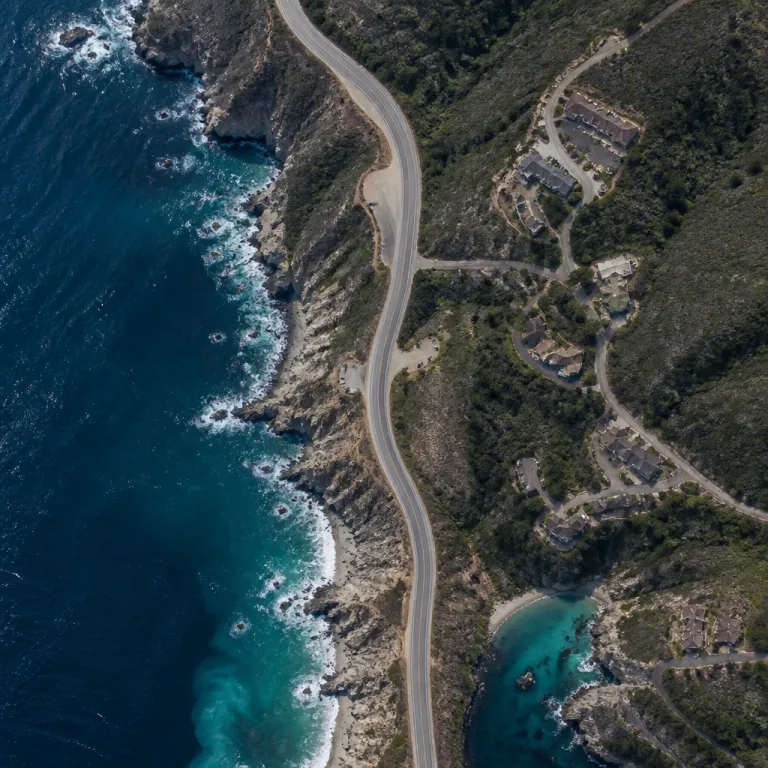
Why a Big Sur California road trip shapes your hotel choice
A Big Sur California road trip is not just a scenic drive. It is a carefully timed journey along the coast highway where your choice of hotel can make or break each stage of the trip itinerary. When you plan where to sleep between San Francisco and the dramatic cliffs of Big Sur, you are really deciding how much time you will have for the best beaches, state park trails, and ocean views.
The 90 mile stretch of Big Sur coastline along Highway 1 feels both big and intimate. You move from the refined charm of Carmel and the calm Carmel Sea to the wild drama of Julia Pfeiffer Burns State Park and the thunder of McWay Falls in only a short drive. Because the Big Sur road is winding and slow, staying in or near the region rather than commuting from San Francisco or Monterey lets you enjoy the Pacific Coast at a relaxed pace instead of racing the daylight.
Travelers, local businesses, and Caltrans all shape how this coast highway experience unfolds. Travelers bring expectations for comfort and access, while local hotels and lodges respond with rooms that frame the ocean and forest in different ways. Caltrans keeps the road open after landslides so your road trip can continue from one state park to the next, and the timing of repairs can influence which hotels feel most convenient in a given season.
Seasonal travel patterns on Highway 1 and when to book
Highway 1 through Big Sur is officially open again after major repairs, and that single fact reshapes seasonal demand for every hotel along the coast. In May 2024, Caltrans announced the reopening of the full Big Sur section after the Paul’s Slide closure, and that milestone immediately increased interest in coastal itineraries. Peak tourist season runs from June to August, when the weather is warm, the ocean looks inviting, and the best rooms with unobstructed views of the Pacific Coast sell out weeks in advance. Off peak months from September to May bring softer light, fewer cars on the road, and better chances to secure a favorite room category at a more measured pace.
Summer brings the highest concentration of road trip traffic between San Francisco and San Luis Obispo, and that means more congestion at Bixby Creek Bridge, Pfeiffer Beach, and Point Lobos State Natural Reserve. If you want to photograph purple sand at Pfeiffer Beach or watch the waterfall at McWay Falls without crowds, consider planning your Big Sur California road trip for late spring or early autumn. During these shoulder seasons, hotels in Big Sur and nearby Carmel often offer more flexible minimum stay rules, which helps if your trip itinerary includes several state park stops and a slower drive along the coast highway.
Winter and early spring can be magical, with dramatic ocean storms and low mist hugging the cliffs. This is also when Caltrans sometimes closes short sections of the Big Sur road for maintenance or after heavy rain, so checking road conditions before you book is essential. Because landslides can temporarily isolate parts of Big Sur, choosing a hotel either north near Carmel and Point Lobos or south near Julia Pfeiffer Burns State Park gives you options if a section of the road becomes impassable during your stay.
Choosing where to stay along the Big Sur coast
For a classic Big Sur California road trip, most travelers choose between three main bases. Carmel and the Carmel Sea area offer refined inns and resorts, easy access to Point Lobos, and a shorter drive back to San Francisco at the end of the trip. Staying in the heart of Big Sur places you closer to Pfeiffer Beach, Pfeiffer Big Sur State Park, and the forested canyons that make this stretch of the Pacific Coast feel so immersive.
Further south, hotels near Julia Pfeiffer Burns State Park and the McWay Falls overlook offer a quieter, more remote experience. Nights here feel darker, the ocean sounds louder, and the drive back to any major town is longer, so this area suits travelers who want to disconnect and spend more time in nature. When you compare these zones, Carmel is better for guests who want restaurants and shops within a short walk, while central Big Sur and the Burns State Park area excel at direct access to trails, viewpoints, and secluded beach coves.
Whichever base you choose, align your hotel location with your daily road trip goals. If photographing Bixby Creek Bridge at sunrise is a priority, staying closer to the bridge shortens your early morning drive and lets you return for breakfast without rushing. If your favorite dream is to walk through Lily Valley when the calla lily blooms appear in late winter, a stay near Garrapata State Park or central Big Sur will keep that seasonal spectacle within easy reach.
Iconic stops and how hotels shape your daily rhythm
The most memorable Big Sur road days balance driving with lingering, and your hotel choice quietly sets that rhythm. Starting from San Francisco, many travelers spend the first night in Carmel so they can explore Point Lobos and the Carmel Sea cliffs before continuing the next morning. This pattern turns the long road into a two stage trip, with the second night spent deeper in Big Sur near Pfeiffer Beach or Julia Pfeiffer Burns State Park.
From a hotel in central Big Sur, you can reach Pfeiffer Beach, McWay Falls, and Bixby Creek Bridge in short, scenic drives that never feel rushed. The drive from Carmel to Bixby Creek Bridge usually takes about 25 to 30 minutes, and from there it is roughly another 45 minutes to Julia Pfeiffer Burns State Park in normal conditions. One morning might begin with a walk on the purple sand at Pfeiffer Beach, followed by a midday hike in Pfeiffer Big Sur State Park, and then a sunset stop at a point high above the ocean to watch the light fade. Another day could focus on Julia Pfeiffer Burns State Park, where the McWay Falls viewpoint and nearby trails offer some of the best coast and ocean views anywhere in California.
Staying near these landmarks also helps you avoid the busiest times on the road. You can visit popular spots early or late, then retreat to your room or terrace while day trippers from San Francisco and other cities sit in traffic on the coast highway. As one repeat visitor put it after a three night stay, “Once we parked at our lodge, we barely touched the car until checkout, and every drive felt like a short scenic detour instead of a chore.” This is where a well planned trip itinerary pays off, because the right hotel location lets you treat the road trip as a series of short, beautiful drives rather than a single exhausting push.
Practical booking strategies for Big Sur hotels
Because Big Sur has limited rooms compared with its global reputation, booking strategy matters as much as choosing the right state park to visit. For peak season, reserve your preferred hotel at least several weeks ahead, especially if you want specific views of the ocean or a particular room layout. Off peak, you may find more flexibility, but last minute availability still cannot be guaranteed because travelers increasingly favor a Big Sur California road trip over inland routes.
When comparing properties, look beyond headline photos and focus on how each place fits your daily drive. Check how long it takes to reach Bixby Creek Bridge, Pfeiffer Beach, Julia Pfeiffer Burns State Park, and Point Lobos from the hotel, using realistic driving times on a winding road. If you plan to arrive from San Francisco late in the day, consider staying first in Carmel or northern Big Sur so you are not navigating the most dramatic cliffs and curves in the dark.
Ask hotels specific questions about access to nearby trails, beach paths, and parking, because these details affect how easily you can move between your car and the coast. Some properties sit high above the ocean with steep paths, while others are closer to the highway and better for quick departures to multiple state parks in one day. Whatever your style, align your booking with your favorite priorities, whether that means sunrise photography at a point above the Pacific Coast, long afternoons on purple sand, or quiet evenings listening to the ocean from your terrace.
Safety, sustainability, and respecting Big Sur’s fragile coast
Highway 1 through Big Sur is both a lifeline and a fragile thread, and every road trip has an impact on this coast. The agency responsible for highway upkeep advises all travelers to “Check road conditions before traveling,” because closures can occur quickly after storms or landslides. When you choose a hotel that supports responsible practices, you help local businesses maintain the balance between welcoming guests and protecting the cliffs, forests, and beaches that make this region unique.
Many properties now encourage guests to minimize car use by planning days around nearby state park trails and viewpoints instead of constant driving. Staying two or three nights in one place rather than changing hotels every day reduces traffic on the Big Sur road and gives you more time to appreciate the slow shifts of light over the ocean. It also means you can walk or take short drives to places like Lily Valley during the calla lily bloom, or to quiet overlooks where the Pacific Coast feels almost untouched.
Emergency preparedness is another reason to choose established hotels that work closely with Caltrans and local services. These properties are better equipped with backup supplies, clear evacuation plans, and up to date information if a section of the coast highway closes unexpectedly. By supporting such operations, you not only protect your own trip but also contribute to a resilient community that can keep welcoming travelers to Big Sur for many seasons to come.
Key figures for planning your Big Sur stay
- The Big Sur coastline extends for about 90 miles along Highway 1, so staying in at least two different areas can reduce daily driving distances and make each road segment feel more relaxed.
- California State Parks and Monterey County tourism sources report several million visitors to the Big Sur area annually; for example, Monterey County recorded more than 4.5 million visitors in 2022, which explains why peak season hotel availability is tight and why booking early is essential for ocean view rooms.
- Peak tourist months from June to August see the highest traffic on the coast highway, while the off peak period from September to May generally offers lower room rates and quieter state park trails.
- Highway 1 has fully reopened through Big Sur after major repairs, but short term closures can still occur, so checking Caltrans updates before finalizing your trip itinerary remains a crucial step.
FAQ: Big Sur California road trip and hotels
Is Highway 1 open through Big Sur for a road trip now ?
Highway conditions change over time, but after recent repairs the full Big Sur section has reopened to through traffic in stages, and you can generally include it in a coastal road trip when Caltrans reports no active closures.
What are must see stops near popular hotel areas ?
The most sought after stops include Bixby Creek Bridge near northern Big Sur, McWay Falls and Julia Pfeiffer Burns State Park further south, and Pfeiffer Beach with its purple sand, all of which can be reached easily from central Big Sur hotels.
Are there enough accommodations directly in Big Sur ?
There are several campsites and luxury resorts in Big Sur, but the total number of rooms is limited compared with demand, so many travelers also consider staying in Carmel or near Point Lobos to secure suitable accommodation.
How far is Big Sur from San Francisco by car ?
The drive from San Francisco to the northern gateway of Big Sur via the coast highway is roughly 190 kilometres, and most travelers allow at least three to four hours so they can stop at viewpoints along the Pacific Coast.
Should I book one hotel or several along the route ?
For a relaxed Big Sur California road trip, many guests book one night in or near Carmel and then two or more nights in central Big Sur, which keeps daily driving times short and allows unhurried visits to each state park and beach.
Sources
- California State Parks (visitor statistics and park descriptions)
- Caltrans (Highway 1 closure and reopening updates, including May 2024 announcements)
- Monterey County Convention and Visitors Bureau (regional travel guidance and 2022 visitor volume)