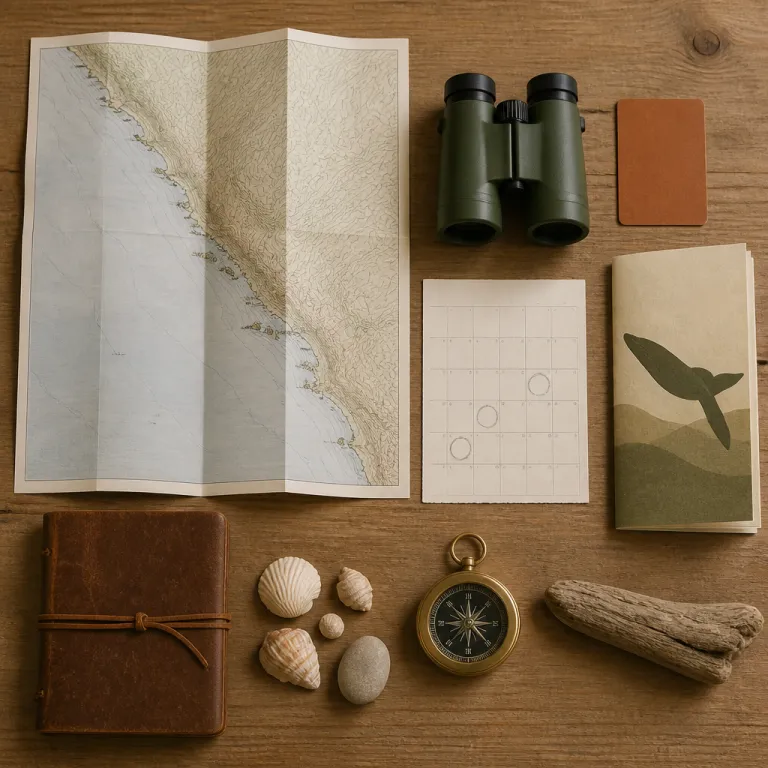
How Big Sur whale watching season shapes your hotel search
Big Sur sits on a wild stretch of the California coast where the sea feels close enough to touch. Along this shoreline, the rhythm of Big Sur whale watching season quietly dictates when rooms fill, when rates climb, and when the calmest age groups of travellers arrive. With a bit of planning, you can time your stay for peak whale sightings while still securing a hotel that matches your pace, budget, and expectations.
Along this coast, gray whales migrate past Big Sur twice each year, creating two distinct pulses of demand for rooms with ocean views and easy access to Highway 1 pullouts. Southbound gray whales typically pass between December and February, while the northbound migration often peaks from February into April, according to long-term counts by the National Oceanic and Atmospheric Administration (NOAA). The same Big Sur whale watching season also overlaps with the arrival of humpback whales and blue whales in nearby Monterey Bay, which means more whale watching trips depart from harbours in Monterey and Moss Landing, drawing visitors who then drive south to sleep in Big Sur. Hotels that understand these patterns often set minimum stays and adjust cancellation policies around the best time for sightings, especially when whales and dolphins are being reported daily offshore.
Travellers comparing age groups often ask whether families, couples, or solo guests get the most from this time of year. Families usually favour the calmer sea conditions of late summer when dolphins and the occasional large pod are easier to spot from stable boats, while couples often choose the shoulder months when the coast is quieter but gray whales still pass close to shore. Solo guests and photographers tend to chase the most dramatic whale sightings, timing their stay to coincide with the height of the gray whale migration or the arrival of blue whales and fin whales in deeper water.
Seasonal travel patterns on Highway 1 and why timing matters
Highway 1 through Big Sur is both a scenic drive and a lifeline for travellers hoping to see a whale from a roadside turnout. Seasonal travel patterns on this route mirror Big Sur whale watching season, with traffic building as soon as the first reports of gray whales appear off the coast. Before you book, study how Big Sur weather by month shapes your hotel stay, using guides such as this detailed overview of Big Sur weather by month and seasonal hotel choices.
During the height of the gray whale migration, Highway 1 car parks near popular viewpoints can fill early in the day, especially when the sea is calm and visibility is clear. This is the best time for a spontaneous roadside whale watch, but it is also when rooms near the most accessible overlooks sell out first, particularly those that market themselves around whale watching and regular dolphin sightings. In contrast, late summer brings steadier weather, more predictable traffic, and a different pattern of marine life, with humpback whales feeding in Monterey Bay while visitors drive down to Big Sur for quieter evenings.
Stormy months can bring rockfalls and temporary closures, which directly affect how you plan your time of year on this road. When sections of Highway 1 close, travellers often rebook toward Monterey or San Francisco, or they pivot south toward San Luis Obispo and even southern California, where whale watching trips continue from harbours such as Newport Beach and San Diego. If you want the flexibility to chase the best time for sightings along the wider California coast, choose a hotel with generous change policies and clear communication about road conditions.
Choosing between Big Sur, Monterey Bay, and the wider California coast
Anyone focused on Big Sur whale watching season quickly realises that the experience stretches beyond one small region. Big Sur offers dramatic cliffs and the chance to see a whale from your breakfast table, while Monterey Bay delivers structured whale watching trips with expert naturalists and stable vessels. Farther afield, southern California ports such as Newport Beach and San Diego provide year-round departures that complement a road trip along the coast.
Monterey and Monterey Bay are often the first names you hear when planning a whale watch in this part of California, because the bay ecosystem concentrates food that attracts humpback whales, blue whales, and fin whales at different times of the year. Many visitors base themselves in Big Sur for the scenery, then drive north for a half-day whale watching cruise in Monterey Bay, returning to the quieter coast by evening. Typical trips last three to four hours and are timed around feeding activity documented by the Monterey Bay National Marine Sanctuary. Others design a longer Highway 1 itinerary, using resources such as this guide to how a Big Sur California road trip shapes your hotel choice to balance nights between Big Sur, Monterey, and perhaps San Francisco.
Further south, the whale watching culture in southern California offers a different rhythm that can extend your time on the water. Newport and Newport Beach specialise in shorter coastal excursions that suit a wide range of age groups, while San Diego departures often head farther offshore in search of blue whales, killer whales, and mixed groups of whales and dolphins. Travellers who combine Big Sur with these southern ports gain multiple chances across the same time of year to see gray whales, humpback whales, and even elusive killer whales, while still enjoying distinct hotel styles in each region.
Aligning hotel location with whale sightings and daily routines
Where you sleep in Big Sur quietly shapes how you experience Big Sur whale watching season from dawn to dusk. Properties perched close to the edge of the coast give you the chance to spot a whale or dolphin from your terrace, especially during the peak of the gray whale migration. Inland retreats, by contrast, trade direct sea views for forest calm, which some age groups of travellers prefer after long days of watching the horizon.
If your priority is to maximise whale sightings, look for hotels within a short drive of major Highway 1 pullouts and state parks that overlook the sea. These locations make it easier to respond when a passing driver mentions gray whales just south of a viewpoint, or when local guides report humpback whales breaching offshore. Guests who stay farther from the coast often rely more on organised whale watching trips from Monterey Bay or other harbours, which can still deliver close encounters with blue whales, fin whales, and mixed pods of whales and dolphins but require more structured planning.
Your daily rhythm matters as much as your address. Early risers may prefer hotels that serve breakfast at times aligned with the best time for calm seas, so they can be on the road for a sunrise whale watch before the wind builds. Night owls might choose a property with a later breakfast and a relaxed check-out time, accepting that their whale watching will focus on afternoon sightings when the sea is livelier and dolphins are more active near the surface.
Highway 1 logistics, user ages, and matching hotels to travellers
Planning around Big Sur whale watching season is not only about the animals, it is also about matching Highway 1 logistics to the age groups and needs of your group. Families with young children often prefer shorter drives between stops, easy parking, and quick access to restrooms near popular viewpoints. That means choosing hotels close to central stretches of the coast, where a whale watch from the roadside can be as simple as a ten-minute detour.
Older travellers or those sensitive to motion may prioritise stability on both road and sea, which influences when and where they book. They might time their stay for late summer, when the sea is calmer for whale watching trips from Monterey Bay or San Francisco, and when Highway 1 is less likely to be affected by winter storms. In these months, sightings of humpback whales, blue whales, and playful dolphins remain frequent offshore, while gray whales are less dominant than during their migration peaks earlier in the year.
Adventurous guests often design their own multi-day whale watch circuit along the California coast. They may start with a Big Sur hotel that offers quick access to cliffside viewpoints, then continue south to San Luis Obispo or even San Diego for different styles of whale watching and dolphin encounters. By the time the year has turned through several phases of migration, these travellers might have logged sightings of gray whales, blue whales, fin whales, and perhaps even killer whales, all while sampling a range of coastal hotels that reflect the changing character of the coast.
When to book, what to expect, and how to extend your season
Booking strategy is where your understanding of Big Sur whale watching season becomes practical. Rooms with strong sea views and easy access to Highway 1 viewpoints often sell out months ahead of the peak gray whale migration, especially for weekends. If you want the best time slots for whale watching trips in Monterey Bay or nearby harbours, align your hotel reservation with cruise availability before you commit to non-refundable rates.
Expect the character of the coast to change as the year progresses. Early in the migration, gray whales may pass closer to shore, giving you a chance to see a whale from land without joining a formal whale watch, while later in the season humpback whales and blue whales become more prominent offshore. In some periods, sightings of whales and dolphins and even occasional killer whales cluster farther from Big Sur itself, which is when travellers often extend their itinerary to include San Francisco, Newport Beach, or San Diego for additional trips.
To turn this into a simple plan, focus on a few practical steps:
- Target December to April for gray whale migration, and late summer for blue whales and humpbacks.
- Book ocean-view or cliffside rooms three to six months ahead for peak weekends.
- Pair a Big Sur stay with at least one boat-based trip from Monterey, San Francisco, or southern California.
- Choose flexible rates if winter storms or Highway 1 closures are likely during your dates.
- Match hotel style to your group: clifftop inns for couples, central motels for families, and quiet retreats for photographers.
By treating the entire coast as your stage, you turn a single week into a layered encounter with gray whales, humpback whales, blue whales, fin whales, and the full supporting cast of dolphins.
Key figures that shape Big Sur whale watching season
- Along the broader Pacific coast, the eastern North Pacific population of gray whales is estimated in the tens of thousands, which explains why gray whales are the most commonly reported species during migration periods near Big Sur and Monterey Bay according to surveys by the National Oceanic and Atmospheric Administration.
- Research from the Monterey Bay National Marine Sanctuary indicates that humpback whales are present in and around the bay for roughly half the year, creating a long window when visitors staying in Big Sur can drive north for reliable whale watching trips even outside the peak gray whale migration.
- Studies of blue whales along the California coast show that these animals concentrate in offshore feeding grounds when upwelling is strongest, which is why sightings of blue whales and fin whales often peak in late summer and early autumn during the same months when Big Sur hotels experience high seasonal demand.
- Tourism data from coastal California destinations such as Monterey, San Francisco, and San Diego consistently show that whale watching contributes significantly to off-peak occupancy, helping hotels smooth demand across the year rather than relying solely on summer beach travel.
FAQ about Big Sur whale watching season and hotels
What is the best time of year to see whales from Big Sur hotels?
The best time of year to see whales from Big Sur hotels usually coincides with the main gray whale migration periods, when these animals pass relatively close to the coast. During these weeks, guests sometimes spot a whale from clifftop terraces or nearby viewpoints without joining a boat tour. Outside those windows, humpback whales and blue whales are more often seen from whale watching trips in Monterey Bay rather than directly from hotel grounds.
Should I stay in Big Sur or Monterey for whale watching?
Staying in Big Sur gives you dramatic scenery and the chance of land-based sightings, while Monterey places you closer to harbours that run frequent whale watching cruises. Many travellers split their time between the two, using Big Sur for relaxation and coastal walks, then shifting to Monterey for a dedicated whale watch day. This combination works well across different age groups, from families to older guests.
How far is Big Sur from major whale watching ports like Monterey and San Francisco?
Driving from central Big Sur to Monterey typically takes around one to one and a half hours along Highway 1, depending on traffic and stops at viewpoints. Reaching San Francisco from Big Sur usually requires several hours by car, which makes it better suited to a multi-night itinerary rather than a day trip. Travellers often plan a sequence of stays in Big Sur, Monterey, and San Francisco to follow Big Sur whale watching season along the coast.
Can I see dolphins and whales without booking a boat trip?
Yes, it is possible to see dolphins and occasionally whales from land-based viewpoints in Big Sur, especially during calm sea conditions. However, your chances of close encounters with whales and dolphins, including humpback whales and blue whales, increase significantly when you join a dedicated whale watching cruise from Monterey Bay or other harbours. Land-based watching is best treated as a bonus rather than your only strategy.
How far in advance should I book a hotel for peak whale watching periods?
For peak Big Sur whale watching season, booking several months in advance is prudent, particularly if you want ocean-facing rooms or specific amenities. Weekends and holiday periods fill first, especially when migration forecasts suggest strong gray whale numbers. If your schedule is flexible, midweek stays often provide better availability and calmer conditions for both road travel and time on the water.