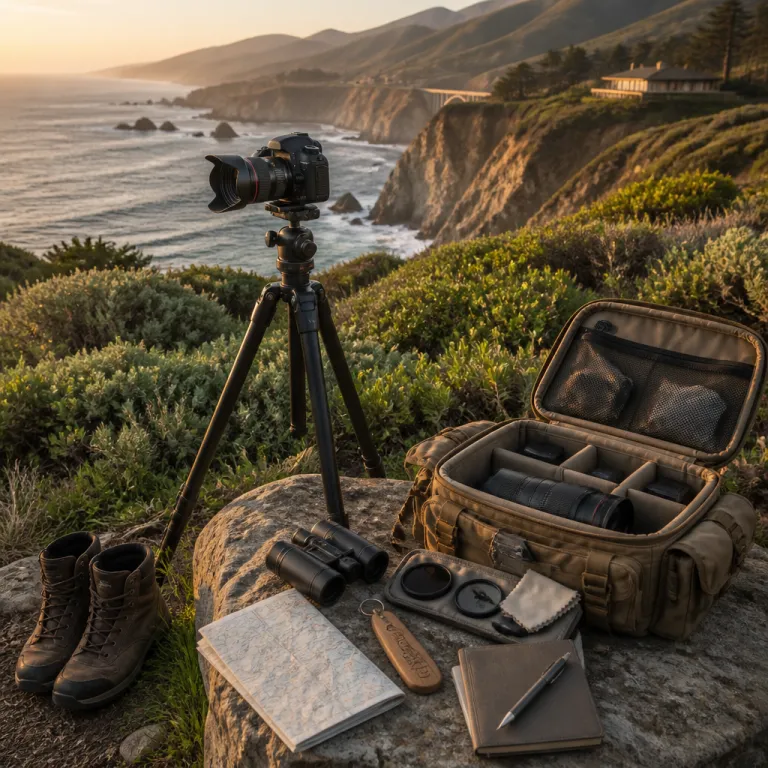
Choosing a hotel location for easy access to Big Sur photography spots
When you plan a stay around Big Sur photography spots, your hotel location shapes every sunrise and sunset. For guests focused on the best things to photograph, choosing accommodation close to Highway 1 keeps you near the most iconic bridge, beach, and state park viewpoints. Many travelers underestimate how long the drive feels on this winding road, so staying central along the coast reduces road fatigue and maximizes your time with the camera.
Look for properties between Carmel and the Big Sur River area if you want quick access to Point Lobos State Natural Reserve, Garrapata State Park, and the classic Bixby Bridge viewpoints. This stretch of highway offers some of the best views in California, and it places you within a short drive of both northern and southern Big Sur photography spots such as Hurricane Point and the coves near Julia Pfeiffer Burns State Park. Being based here also makes it easier to reach multiple places in a single trip, from dramatic cliffs to sheltered cove beaches; for example, Point Lobos to Bixby Bridge is roughly a 25–30 minute drive in normal traffic.
Further south, hotels near Julia Pfeiffer Burns State Park and the McWay Falls overlook suit guests who want quieter nights and darker skies for night photography. These locations shorten the drive to Pfeiffer Beach, the rugged trails of Julia Pfeiffer Burns State Park, and the viewpoints above the Pacific Ocean that glow at golden hour. If you prefer to photograph both sunrise over the hills and sunset over the sea, a central Big Sur River base lets you balance time on the road with time behind the lens and avoid repeated long backtracking drives.
Staying near Point Lobos and Garrapata for northern coastal views
For travelers who want refined hotels and easy access to northern Big Sur photography spots, the Carmel area is an excellent base. From here you can reach Point Lobos State Natural Reserve in minutes, which many Big Sur photographers consider one of the best places for coastal wildlife and intimate cove scenes. The Point Lobos headlands offer short trail networks where every turn reveals new views of the Pacific Ocean crashing against sculpted rock, and parking lots often fill by mid-morning on weekends.
Point Lobos rewards patience, so staying nearby allows you to return at different times of day and in different weather. Early morning often brings soft light and calm seas, while late afternoon along the Cypress Grove trail or at Sea Lion Point can deliver dramatic silhouettes and long exposure photography opportunities. Because the park is a protected natural reserve, paths are clearly marked and drones are not allowed, which helps you plan compositions in advance and move efficiently between viewpoints without leaving designated routes.
Just south, hotels that sit within a short drive of Garrapata State Park give you fast access to wildflower covered hillsides, hidden beach coves, and rugged cliffs. Garrapata State Park is one of the best things about the northern Big Sur coast for photographers who want both wide landscapes and intimate details in a single session. With the highway hugging the shoreline, you can step from your car to a trail in minutes, capturing big surf, dramatic bridge silhouettes in the distance, and the long curve of the road as it winds south toward Bixby Creek Bridge; popular pullouts sit near mile markers 17–19.
Positioning yourself for Bixby Bridge, Hurricane Point, and classic coastal drives
Many guests book hotels in Big Sur specifically to photograph Bixby Bridge and the surrounding coastline. This elegant concrete arch spans a deep canyon above Bixby Creek, and its height of about 280 feet has made it one of the most photographed bridges in California. When you stay within a short drive of the bridge, you can time your visits for both sunrise and sunset, capturing different moods along the same stretch of highway and experimenting with long exposures of car light trails after dusk.
The pullouts north and south of Bixby Creek Bridge offer some of the best views of the structure, the Pacific Ocean, and the sinuous road that defines the Big Sur drive. A little farther south, Hurricane Point delivers sweeping panoramas where the bridge, cliffs, and distant coves line up in a single frame; the main overlook is roughly a five-minute drive from the bridge. Because these Big Sur photography spots can be busy, especially during peak travel time, staying nearby lets you visit at off hours, park safely in signed turnouts, and avoid the heaviest traffic on the road.
Hotels in this central section of Big Sur place you within reach of both northern highlights like Point Lobos and southern icons such as McWay Falls. You can structure your trip so that one day focuses on the Bixby Bridge area and Hurricane Point, while another day follows the highway south toward Julia Pfeiffer Burns State Park. This balance between driving and shooting is crucial, since the coastline stretches roughly 90 miles and the most beautiful places are spread across multiple state park units and roadside pullouts rather than a single compact area.
Staying close to McWay Falls, Julia Pfeiffer Burns, and Pfeiffer Beach
Guests who want to focus on the southern Big Sur photography spots should consider hotels near Julia Pfeiffer Burns State Park. From this base you can reach the McWay Falls overlook quickly, giving you flexibility to photograph the waterfall at different tides and under changing light. The cove below McWay Falls, with its turquoise water and sheltered beach, is one of the most beautiful places on the entire California coast, and the main viewpoint sits just off Highway 1 near 36.158° N, 121.672° W.
Because access to the beach at McWay Falls is restricted, photographers work from designated viewpoints along the trail, which keeps the natural reserve character of the cove intact. Staying nearby allows you to visit during quieter time slots, such as early morning or late evening, when the crowds thin and the atmosphere feels more contemplative. This is especially valuable for long exposure photography, where you need a stable tripod position and minimal disturbance on the narrow path, and it makes it easier to respect railings and stay behind safety barriers.
A short drive north brings you to Pfeiffer Beach, reached by a narrow side road that many first time visitors miss. Hotels in this part of Big Sur make it easier to navigate the unsigned turnoff, arrive early for limited parking, and stay through sunset to capture the famous keyhole rock formation. Combined with nearby trails in Pfeiffer Big Sur State Park and viewpoints over the Big Sur River valley, this area offers a rich mix of forest, beach, and cliff scenes within a compact radius, though the beach parking lot can close once it reaches capacity.
Balancing comfort, safety, and logistics for photography focused stays
When you choose a hotel with Big Sur photography spots in mind, comfort and logistics matter as much as scenery. Long days on the road and trail demand reliable rest, secure parking, and space to organize your gear between sunrise and sunset sessions. Because the highway is winding and often slow, staying closer to your priority state park or bridge locations reduces stress and keeps your focus on composition rather than driving, especially if you are carrying heavy camera equipment.
Look for properties that understand the needs of photographers, such as early breakfast options, flexible check in times, and staff who can advise on road conditions. Local guides and photography tours often partner with nearby hotels, which can be helpful if you want expert insight on the best things to shoot around each park or cove. Practical guidance from park agencies highlights that Big Sur photography is essentially year round, with morning for soft light and evening for golden hour, so your hotel choice should support this rhythm with quiet rooms and dependable power for charging batteries.
Safety is another reason to prioritize location, especially if you plan to drive the Big Sur coast in the dark to reach sunrise viewpoints. Staying near key areas like Point Lobos, Garrapata State Park, or the Big Sur River valley shortens pre dawn drives and reduces exposure to foggy or wet road conditions. Simple amenities such as on site dining, reliable heating, and sheltered outdoor spaces also make it easier to review images, dry off wet gear, and plan the next day’s route along the coast without needing to re-pack in the car.
Timing your stay and planning itineraries around light and weather
Booking a hotel for Big Sur photography spots is not only about geography, it is also about timing. The most favorable light typically arrives in the morning for soft illumination and in the evening for golden hour, which should guide how many nights you reserve near each cluster of locations. A two or three night stay in one area often yields better results than a single night dash along the entire road, because you can wait out fog or low clouds and still catch at least one clear session.
Consider structuring your trip so that the first part focuses on northern locations such as Point Lobos State Natural Reserve, Garrapata State Park, and Bixby Bridge, with a hotel near Carmel or the Big Sur River corridor. Then shift south for another block of nights near Julia Pfeiffer Burns State Park, McWay Falls, and Pfeiffer Beach, reducing the daily distance you need to cover on the highway. This approach lets you revisit favorite places under different skies, from clear sunsets over the Pacific Ocean to misty mornings in sheltered coves, without constantly packing and unpacking.
Before confirming dates, check typical weather patterns and any planned road work along Highway 1, since closures can affect access to specific state park units or bridge viewpoints. Official park and transportation updates often recommend checking weather conditions, visiting during weekdays to avoid crowds, and bringing appropriate gear for coastal weather, which applies directly to hotel planning as well. By aligning your reservation dates with likely clear conditions and quieter periods, you give yourself the best chance to capture memorable images while enjoying a relaxed, well supported stay in Big Sur.
Key figures for planning a photography focused stay in Big Sur
- The Big Sur coastline extends for about 90 miles along Highway 1, according to California tourism and park information, which means hotel location significantly affects daily driving time between photography spots.
- Bixby Bridge rises approximately 280 feet above the canyon floor, based on widely cited engineering data, making it one of the tallest and most visually striking coastal bridges in California.
- Big Sur photography is generally considered an ongoing, year round activity, with mornings and evenings highlighted as the most favorable periods for light along the coast.
- The main objectives of photography in Big Sur are to document natural beauty, highlight landmarks, and create artistic photos, which aligns with choosing hotels that provide easy access to state parks and coastal viewpoints.
- Recent trends include increasing drone photography and social media sharing of Big Sur photos, but many state park areas restrict drone use, which can influence when and where you choose to stay to avoid the busiest times at popular overlooks.
FAQ about hotels and Big Sur photography spots
What are the best photography spots in Big Sur near hotels?
Standout locations include McWay Falls, Bixby Bridge, Pfeiffer Beach, and Garrapata State Park, many of which are within a short drive of established lodging areas. Choosing hotels near Carmel, central Big Sur, or the Julia Pfeiffer Burns State Park corridor keeps you close to these highlights. This proximity allows you to visit multiple times in different light without exhausting drives, and to adjust quickly if fog rolls in or parking lots fill.
When is the best time to photograph Big Sur during a hotel stay?
The best time to photograph Big Sur is early morning and late afternoon, when light is softer and shadows are longer. Aligning your check in and check out times with these windows lets you capture both arrival and departure sessions at nearby state park viewpoints. Many guests plan at least two nights in each area so they can adapt to changing weather and still enjoy prime light at McWay Falls, Bixby Bridge, or Point Lobos.
Are there photography tours available from local hotels in Big Sur?
Several local guides offer photography tours in Big Sur, often partnering with hotels or meeting guests at convenient roadside pullouts. These tours can help you navigate lesser known trails, understand safe roadside parking near bridges, and refine your compositions at busy locations such as McWay Falls. For first time visitors, joining a tour early in the trip can inform how you use the rest of your stay and which hotel area you might extend.
How should I prepare my gear and packing list for a Big Sur hotel stay?
Coastal weather calls for layers, rain protection, and sturdy footwear for trails, even if you are mostly shooting from overlooks. For photography, a DSLR or mirrorless camera, tripod, and neutral density filters are common choices, while some guests also bring drones where regulations allow and conditions are safe. Choosing a hotel with secure storage and reliable power outlets makes it easier to manage this equipment between outings and to back up images each night.
How can I avoid crowds at popular Big Sur photography spots?
Visiting during weekdays is one of the simplest ways to avoid crowds, which is especially relevant for hotel bookings outside peak weekends and holidays. Staying close to key locations like Point Lobos, Garrapata State Park, or the McWay Falls area lets you arrive early and remain after tour buses leave, taking advantage of shorter lines at entrance stations and more open parking. This timing not only improves your photography but also creates a calmer, more immersive experience along the coast.
References
California Department of Parks and Recreation; local tourism and transportation agencies