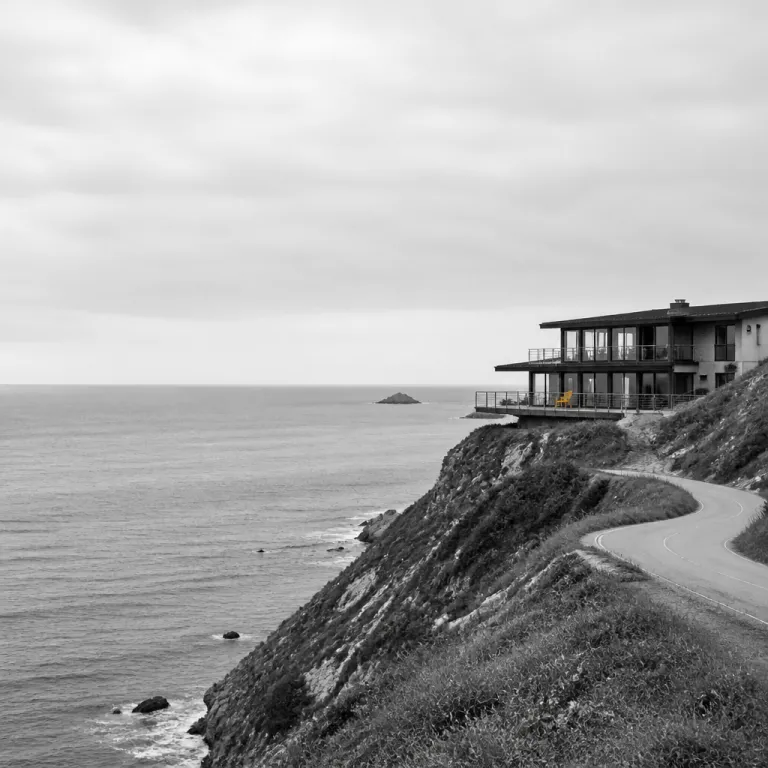
Designing a big sur itinerary 3 days around coastal hotels
Planning a refined big sur itinerary 3 days begins with choosing where you sleep. For travelers selecting a hotel along the Pacific coast, the right address will shape each day of the journey and determine how easily you reach every park, beach, and viewpoint. When you design your 3‑day Big Sur itinerary around a preferred property, you transform a simple road trip into a seamless coastal retreat.
Most visitors arrive from either San Francisco to the north or Los Angeles to the south, so your first decision is which direction you will drive. Approaching Big Sur from San Francisco via the famous Pacific Coast Highway (about 120 miles and 2.5–3 hours to Carmel without stops) lets you warm up with pauses in Monterey and Carmel before the Big Sur road becomes more dramatic and remote. Coming from Los Angeles through San Simeon (roughly 240 miles and 4.5–5 hours to San Simeon, then about 90 miles more to Big Sur) offers a slower build along the coast, with more time to adjust before the high cliffs and tight curves of the coast highway demand your full attention.
For a three day stay, many travelers choose one primary hotel in the heart of Big Sur and then use it as a base for the trip itinerary. This approach reduces packing and check in stress, giving you more time for the state park trails, the Big Sur River, and long walks on Pfeiffer Beach or other sheltered coves. If you prefer variety, you can split nights between a Carmel or Monterey hotel and a Big Sur coastal lodge such as Big Sur River Inn, Ventana Big Sur, or Post Ranch Inn, but remember that every change of room costs you precious daylight on the road.
Day one: from monterey carmel to your Big Sur hotel
Begin your first day in Monterey or Carmel, where urban comforts meet the wild edge of California. Many travelers overnight in Carmel or Monterey before driving south, using the morning to check the weather, fuel the car, and enjoy a last café stop before the more rugged Big Sur road begins. This gentle start to the trip allows you to ease into the pace of the coast while still reaching your Big Sur hotel by mid afternoon.
Leaving town, follow the coast highway toward Point Lobos State Natural Reserve, which is one of the best short stops on any 3‑day Big Sur itinerary. The reserve lies only about 10–15 minutes (roughly 4 miles) south of Carmel and offers coastal trails of only a few kilometres, yet the views of the Carmel Bay, offshore rocks, and cypress groves feel as dramatic as anything farther south on the road trip. Because parking at this state park is limited and a day‑use fee of around $10–$15 per vehicle is typically charged (check current California State Parks information for exact amounts), arrive early in the day or be prepared to walk in from the roadside if the lot is full.
After Point Lobos, continue the drive past Bixby Bridge and the smaller Rocky Creek Bridge, two of the most photographed spans on the entire Pacific coast. The drive from Point Lobos to Bixby Bridge takes about 20–25 minutes (approximately 13 miles), but plan closer to an hour with photo stops. Take your time at each viewpoint, but avoid stopping illegally on narrow shoulders, as local park rangers and state patrols regularly check for unsafe parking along the Big Sur road. By mid afternoon you will reach the cluster of hotels and restaurants around the Big Sur River, roughly 30–40 minutes beyond Bixby Bridge (about 20 miles), where you can settle into your room, enjoy a coastal walk, and watch the light fade over the steep cliffs.
Day two: state park highlights from mcway falls to pfeiffer beach
The second day of your Big Sur itinerary should focus on the signature landscapes that make this coastline famous. After breakfast at your hotel, drive south along the coast highway toward Julia Pfeiffer Burns State Park, home of the iconic McWay Falls that drops directly onto a small hidden beach. The drive from the Big Sur River area to McWay Falls is about 35–45 minutes (roughly 12 miles), but this stretch of Highway 1 feels especially wild, so allow extra time for slow vehicles and frequent photo stops at every dramatic overlook.
Parking for McWay Falls is limited inside the state park, and a day use fee similar to other California State Parks (generally around $10–$15 per vehicle, subject to change; confirm current rates before you travel) applies, but the short trail to the overlook is suitable for most travelers. From the viewing platform you can see the waterfall, turquoise water, and rugged coast, which together form one of the best vistas on any Big Sur road trip. Respect the barriers and stay on the path, as the cliffs are unstable and park rangers regularly remind visitors that safety and preservation go hand in hand.
In the afternoon, return north toward Pfeiffer Big Sur State Park and the nearby Pfeiffer Beach, which are distinct places despite the similar names. The park offers riverside trails and redwood groves, while the beach reveals purple tinted sand and sea stacks that glow at the right time of day. Because access to Pfeiffer Beach is via a narrow side road with a separate parking fee that is typically collected in cash, check tide tables and arrive early, as the small parking area often fills by mid afternoon on busy days. A simple sample schedule for this second day might be: 9:00–10:00 a.m. drive to McWay Falls, 10:00–11:00 a.m. enjoy the overlook, 11:00 a.m.–1:00 p.m. lunch and short hikes, and 2:00–5:00 p.m. at Pfeiffer Beach before returning to your hotel.
Day three: flexible coastal time and the drive toward home
Your final day in Big Sur should balance unhurried coastal time with the practical needs of the return drive. After checking out of your hotel, consider a relaxed walk along the Big Sur River or a final visit to a nearby state park before you rejoin the main road. This slower rhythm helps you absorb the scale of the coast rather than rushing straight back to city traffic.
If you are heading north toward San Francisco, you can revisit Bixby Bridge in softer morning light or stop again at Point Lobos for a different trail, allowing about 1.5–2 hours of driving from Big Sur Village back to Monterey without stops. Travelers driving south toward Los Angeles might instead continue beyond Big Sur to San Simeon, where the coastline flattens and the road becomes less demanding, before joining faster inland highways for the remaining 4–5 hours to the city. In both directions, plan your trip itinerary so that the most winding sections of the Big Sur road fall in daylight, as fog and darkness can make the drive significantly more tiring.
Many guests choose to add an extra night in Carmel or Monterey on the way out, turning a strict three days in Big Sur into a more relaxed four day loop. This extra stop allows time for the famous aquarium in Monterey or a final stroll along a sheltered beach before flights or long highway stretches. Whether you extend the trip or not, ending with a comfortable hotel night near urban services can ease the transition from wild coast back to everyday life.
Choosing the best hotel locations along the Big Sur coast
For travelers focused on hotels, location along the coast highway matters as much as room style. Properties clustered near the Big Sur River offer central access to multiple state park entrances, while lodges farther south provide quieter nights but longer drives to restaurants and services. When comparing options, consider not only the view but also how each address fits into your Big Sur itinerary and daily driving plans.
Guests who value dining variety and shorter transfer times often prefer staying near the northern gateway between Carmel and Big Sur. From this area you can reach Point Lobos, Bixby Bridge, and several beach turnouts within a short drive, making it easy to return to your room for a rest between excursions. Travelers who prioritize solitude may choose hotels deeper along the Big Sur road, accepting longer distances in exchange for darker skies and fewer passing cars at night. A local tip from frequent visitors is to book at least one night with on‑site dining, such as at a full‑service lodge, so you can enjoy sunset without needing to drive after dark.
Whichever area you select, check cancellation policies, parking arrangements, and any minimum stay rules before you confirm. Big Sur receives well over a million visitors annually according to California tourism agencies, so the best rooms often sell out months in advance during peak time. Booking early gives you more control over your big sur itinerary 3 days, ensuring that your preferred hotel becomes a stable anchor rather than a last minute compromise.
Practical tips for a safe and elegant Big Sur road trip
Driving the Big Sur coast is not technically difficult, but it demands attention and patience. The road clings to cliffs for much of the 90 mile stretch between Carmel and San Simeon, and weather can change quickly even within a single day. Before you set out, always check official channels for closures, as landslides sometimes interrupt the Big Sur road and require detours far inland; the California Department of Transportation (Caltrans) and California State Parks provide the most current updates.
Pack layers, as temperatures along the Pacific coast can shift from cool fog to warm sun within minutes. Good walking shoes, a light waterproof jacket, and a small daypack will cover most needs for state park trails and beach access paths. Digital maps are helpful, but do not rely solely on mobile coverage, because several sections of the coast highway have limited signal and traditional paper maps remain reassuring backups.
Local park rangers emphasize three simple guidelines for visitors who want a smooth trip. They advise travelers to "Check weather forecasts before traveling," "Reserve accommodations in advance," and "Be aware of local regulations and guidelines." Following this expert advice will protect both your safety and the fragile landscapes that make any thoughtfully planned three days in Big Sur feel so special.
Key figures for planning your Big Sur stay
- Big Sur’s coastline extends for about 90 miles along California’s Highway 1, meaning a direct drive without stops can take around three hours, but most travelers wisely spread the road trip across at least three days.
- Tourism and park agencies report that well over a million visitors experience the Big Sur region each year, so securing hotel rooms and state park parking early is essential during popular travel periods.
- Spring and autumn are widely regarded as the best time to visit, because these seasons combine milder temperatures with fewer crowds compared with peak summer holidays.
- Most state park areas along the coast charge a day use fee per vehicle, which helps fund trail maintenance, ranger services, and conservation work that directly benefits visitors.
FAQ about a refined big sur itinerary 3 days
What is the best time to visit Big Sur for a three day stay ?
Spring and fall offer mild weather and fewer crowds, which makes them ideal for a 3‑day Big Sur itinerary that includes both hiking and relaxed hotel time. During these seasons, fog tends to lift earlier in the day, improving coastal views along the road. Hotel rates can also be more favourable than during peak summer weekends.
Are there entrance fees for state parks along the Big Sur coast ?
Yes, most state parks charge a day use fee per vehicle, which you pay at the entrance kiosk or self registration station. The same receipt often allows access to multiple nearby parks on the same day, so keep it handy in your car. These fees support trail upkeep, facilities, and ranger patrols that keep the Big Sur road experience safe for everyone.
Is camping allowed if I want to mix hotels and outdoor nights ?
Camping is allowed in several designated campgrounds throughout Big Sur, both in state park sites and private facilities. If you plan a mixed itinerary with hotels and camping, reserve well in advance, because coastal campgrounds often fill months ahead. Always follow posted rules on fires, food storage, and quiet hours to protect wildlife and respect neighbouring guests.
How much driving should I plan for each day of a three day itinerary ?
For a comfortable pace, limit your daily drive on the coast highway to two or three hours and spend the rest of the time on walks, viewpoints, and relaxed meals. This approach suits the winding nature of the Big Sur road and reduces fatigue, especially for drivers not used to cliffside routes. Building in generous time buffers also allows you to adapt if fog, roadworks, or photo stops slow your progress.
Do I need to book hotels in advance for a big sur itinerary 3 days ?
Advance booking is strongly recommended, because Big Sur has a limited number of hotel rooms compared with its popularity. During weekends and holiday periods, many properties near the Big Sur River and along the central coast sell out completely. Securing your stay early lets you focus on the scenery, knowing that each night of your trip itinerary is already taken care of.
References
- California State Parks
- National Park Service
- Monterey County Convention and Visitors Bureau