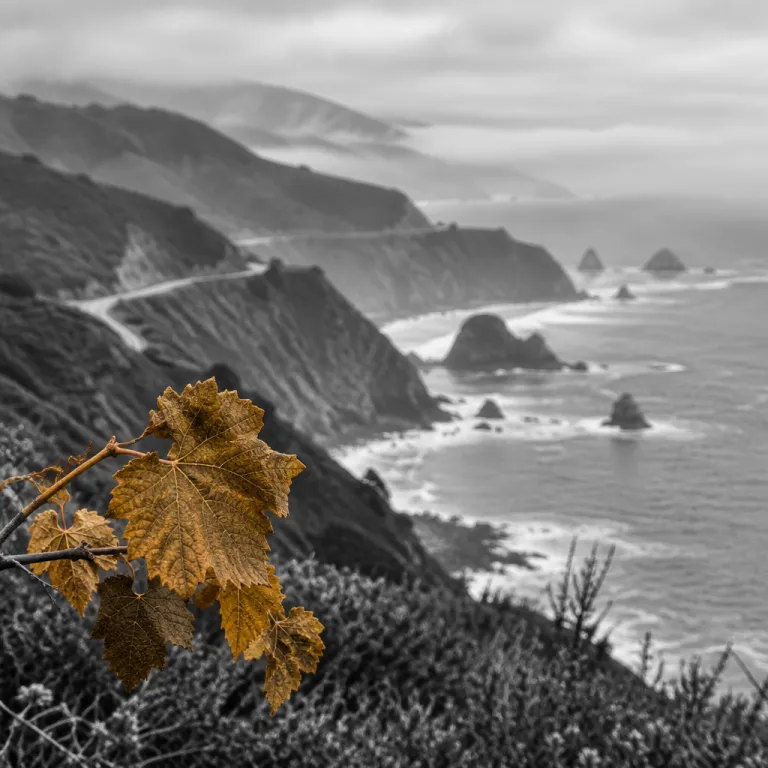
Why Big Sur makes a refined base for things to see in San Luis Obispo
Staying in Big Sur places you on a dramatic stretch of the Central Coast, yet still within reach of the most compelling things to see in San Luis Obispo. In roughly ninety minutes by car, you can move from redwood canyons and cliffside lodges to the relaxed college city atmosphere of San Luis Obispo, often called SLO by local residents. This pairing lets you enjoy a serene night in Big Sur while planning a cultured day in the city of San Luis Obispo with minimal logistical stress.
For many travelers, the appeal lies in alternating days between Big Sur’s wild coast and the softer charms of the San Luis Obispo region, where wine country, historic sites, and a walkable downtown area create a very different rhythm. You might wake to ocean mist in Big Sur, then head south to explore the best things to see in San Luis Obispo, from mission architecture to contemporary art spaces and the famous farmers market. Returning north along Highway 1 after dark, you experience the coast in another mood, with your Big Sur hotel acting as a quiet retreat from the livelier town energy of SLO.
When you evaluate Big Sur hotels, consider how easily you can reach the main things San Luis Obispo offers, especially if you value culture and gastronomy as much as scenery. Properties close to Highway 1 make it simpler to plan a flexible day trip into the city, while more secluded canyon retreats trade a few extra driving minutes for deeper silence at night. Either way, you gain the advantage of accessing both Big Sur’s wilderness and the urban comforts of San Luis Obispo without having to change hotels repeatedly during a long weekend on the Central Coast.
Hidden retreats off Highway 1 and how they shape your SLO plans
Some of the most atmospheric places to stay in Big Sur sit slightly off Highway 1, tucked into redwood groves or perched above the coast, and these hidden retreats influence how you approach things to see in San Luis Obispo. A secluded cabin or cliffside inn often encourages slower mornings, with breakfast overlooking the Pacific before you drive toward the city of San Luis Obispo for the day. If you prefer to maximize time in SLO’s downtown area, you may want a property closer to the highway, which shortens the journey to San Luis Obispo and back.
When choosing between a cliffside cabin and a redwood canyon stay, think carefully about how often you plan to explore the urban side of SLO County. This comparison is explained in depth in this guide on how to pick where you sleep in Big Sur, which helps align your lodging with your cultural and culinary plans in San Luis Obispo. Guests who prioritize wine tasting in Edna Valley or Paso Robles, plus evenings in downtown SLO, often appreciate easier road access, while those seeking pure retreat accept a few extra minutes of driving to and from the city.
Hidden retreats also change how you schedule specific things San Luis Obispo is known for, such as the historic Mission San Luis Obispo de Tolosa or the playful Bubblegum Alley. If your Big Sur hotel is deep in the forest, you might cluster several SLO experiences into one longer day trip, combining the mission, the downtown farmers market, and perhaps a coastal detour toward Morro Bay or San Simeon. Travelers staying nearer the highway can break these outings into shorter visits, returning to Big Sur between excursions and enjoying both the coast and the city in a more fluid rhythm.
Planning your driving day: from Big Sur cliffs to SLO’s historic heart
The drive from Big Sur to San Luis Obispo is one of the most scenic in California, but it requires thoughtful timing when you are balancing coastal relaxation with urban exploration. Expect at least ninety minutes of driving each way, more if you pause at viewpoints or stop near Hearst Castle and San Simeon along the route. For hotel guests, this means structuring your day so that you leave Big Sur early enough to enjoy the city, yet return before fatigue makes the winding highway feel demanding.
Many visitors pair their SLO city day with a stop at Hearst Castle, which sits roughly midway between Big Sur and San Luis Obispo, turning the journey itself into one of the best things about the trip. You might tour the estate in the morning, then continue south for lunch in downtown SLO, followed by an afternoon at Mission San Luis Obispo and a stroll through the compact downtown area. On the return, a brief pause at Morro Bay or the elephant seal viewing area near San Simeon can break up the drive and add coastal wildlife to your list of things to see in San Luis Obispo and its surroundings.
Because your Big Sur hotel choice affects how relaxed this loop feels, it is worth reading guidance on how Big Sur state parks shape your hotel choice along Highway 1. Properties near major park entrances often make it easier to combine a morning hike with an afternoon or evening in the city of San Luis Obispo, especially during a long weekend. With careful planning, you can enjoy both the rugged coast and the cultured town atmosphere of SLO without feeling rushed or overscheduled.
From Big Sur serenity to downtown SLO culture and cuisine
One of the most rewarding things to see in San Luis Obispo, when you are based in Big Sur, is the contrast between your tranquil hotel setting and the lively downtown SLO scene. After a quiet night listening to waves or wind in the redwoods, the energy of the city feels especially vivid, from street musicians to students cycling through town. This contrast is part of what makes a combined Big Sur and San Luis Obispo itinerary so appealing for travelers who appreciate both nature and culture.
In the compact city center, the main things San Luis Obispo offers are easily walkable, which is ideal after time spent driving Highway 1. You can visit Mission San Luis Obispo de Tolosa, explore small art galleries, and then wander toward Bubblegum Alley, a quirky landmark that many visitors still find worth a brief stop. Cafés and wine bars pour Central Coast vintages from Edna Valley and Paso Robles, allowing you to sample the broader SLO County wine area without leaving the downtown area.
Food-focused travelers often plan their Big Sur stay to include a Thursday, when the famous farmers market transforms several blocks of downtown into a festive corridor. This farmers market is one of the best things to experience in the city, with local produce, prepared foods, and live music creating a convivial atmosphere that contrasts beautifully with Big Sur’s solitude. After an evening in town, many guests highly recommend the quiet drive back to their coastal hotel, where the night sky over the coast feels even more expansive after the lights and sounds of San Luis Obispo.
Wine country detours: edna valley, paso robles, and coastal towns
Guests staying in Big Sur who are interested in wine quickly realize how many renowned vineyards lie within reach of the main things to see in San Luis Obispo. South of the city, Edna Valley offers cool-climate vineyards just minutes from downtown SLO, while inland Paso Robles presents a warmer wine area with a different character. Both regions sit within broader SLO County, giving you multiple options for tastings during a long weekend that also includes Big Sur’s dramatic coast.
Many travelers structure a full day trip that begins with a morning stroll in the town center of San Luis Obispo, followed by lunch and tastings in Edna Valley, then perhaps a late afternoon drive toward Morro Bay for sea air and harbor views. Others dedicate an entire day to Paso Robles, where the city’s wine culture, art installations, and relaxed downtown area complement the more intimate feel of SLO’s own tasting rooms. Whichever route you choose, your Big Sur hotel becomes a peaceful counterpoint to the sensory richness of California wine country, allowing you to return each evening to the sound of the ocean.
Coastal stops such as Morro Bay and San Simeon add variety to these excursions, especially when combined with a visit to Hearst Castle or a walk along the waterfront. These towns expand the list of things San Luis Obispo visitors can experience without straying far from Highway 1, which is important when you are ultimately returning to Big Sur for the night. By alternating days focused on wine, art, and city life with days devoted to hiking and viewpoints near your hotel, you create a balanced Central Coast itinerary that feels both indulgent and restorative.
Choosing the right Big Sur hotel for sunset views and SLO access
For travelers who care about both refined lodging and things to see in San Luis Obispo, the specific location of a Big Sur hotel matters as much as its amenities. Properties perched directly above the coast often provide exceptional sunset views, while those set back in canyons offer deeper quiet and more shelter from coastal weather. If you plan frequent day trips into the city of San Luis Obispo, a hotel closer to the southern end of Big Sur can reduce driving time and make spontaneous visits to SLO more realistic.
To align your stay with both scenic and cultural priorities, it is worth consulting a detailed guide on how to choose a Big Sur hotel with the best sunset viewpoints. When you combine this perspective with your plans for downtown SLO, Edna Valley, and other SLO CAL highlights, you can select a property that supports both relaxation and exploration. Some guests highly recommend splitting their time between two hotels, one deeper in Big Sur for pure retreat and another closer to the highway for easier access to San Luis Obispo and the surrounding city area.
Whatever you choose, remember that your Big Sur base will frame how you experience the broader Central Coast, from the mission in San Luis Obispo to the farmers market and beyond. A well-located hotel turns each drive into part of the journey, linking the wild coast, the cultured town of SLO, and the rolling vineyards of California wine country into a single, coherent narrative. For travelers who value both serenity and stimulation, this combination often becomes the template for future returns to Big Sur and the San Luis Obispo region.
Key figures for planning a Big Sur and San Luis Obispo stay
- The driving distance between central Big Sur and downtown San Luis Obispo is roughly 90 miles (about 145 kilometres), which typically takes between ninety and one hundred and five minutes depending on traffic and photo stops along the coast (based on California Department of Transportation travel data for Highway 1 as of 2024).
- San Luis Obispo County, often called SLO County, includes more than 280 wineries across regions such as Edna Valley and Paso Robles, giving wine-focused travelers a wide range of tasting options within a two-hour drive of most Big Sur hotels (figures from Visit SLO CAL tourism statistics published in 2023).
- The weekly downtown SLO farmers market regularly attracts several thousand visitors on peak evenings, making it one of the most attended recurring community events on the Central Coast and a major draw for guests staying in nearby coastal areas (attendance estimates from the City of San Luis Obispo’s recent event reports).
- Hearst Castle, located near San Simeon between Big Sur and San Luis Obispo, welcomes hundreds of thousands of visitors each year, which means advance reservations are strongly advised if you plan to include a tour during a tightly scheduled long weekend (visitor numbers reported by California State Parks through 2023).
- Morro Bay, another popular coastal stop between Big Sur and San Luis Obispo, offers more than twelve miles (over twenty kilometres) of accessible shoreline and estuary trails, providing an easy way to add bird-watching and gentle walking to an otherwise city-focused day trip (data compiled by Morro Bay tourism authorities).
FAQ about staying in Big Sur while visiting San Luis Obispo
Is it realistic to stay in Big Sur and visit San Luis Obispo in one day ?
Yes, it is realistic, provided you are comfortable with around three hours of total driving for a round trip between Big Sur and San Luis Obispo. Many guests plan one or two focused day trips to the city, combining key sights such as Mission San Luis Obispo, Bubblegum Alley, and the downtown area with a relaxed dinner before returning along the coast. Leaving Big Sur early and returning before very late evening usually offers the most comfortable rhythm.
Which Big Sur locations are best for accessing San Luis Obispo and wine country ?
Hotels in the southern portion of Big Sur, closer to Ragged Point and the San Simeon area, generally offer the most convenient access to San Luis Obispo and nearby wine regions such as Edna Valley. From these locations, you can often reach downtown SLO in about ninety minutes, depending on stops. Travelers focused on wine tasting in Paso Robles may still prefer these southern bases, as they shorten the inland connection from the coast to the city.
How many days should I plan for a combined Big Sur and SLO itinerary ?
A long weekend of three or four nights allows enough time to enjoy both Big Sur’s scenery and the main things to see in San Luis Obispo without feeling rushed. Many visitors spend two full days exploring Big Sur’s trails and viewpoints, plus one or two days dedicated to SLO city sights, wine country, and nearby coastal towns like Morro Bay. Longer stays simply add more flexibility for repeat visits to favorite areas or slower mornings at your hotel.
What are the must see experiences in San Luis Obispo for guests based in Big Sur ?
For most travelers, the essential experiences include Mission San Luis Obispo de Tolosa, a walk through the compact downtown area, and an evening at the downtown farmers market if your schedule aligns. Many also add a brief visit to Bubblegum Alley, tastings of Central Coast wine from Edna Valley or Paso Robles, and a coastal detour to Morro Bay or San Simeon. These highlights fit comfortably into one or two well-planned day trips from Big Sur.
Should I rent a car if I want to stay in Big Sur and visit SLO ?
Renting a car is strongly recommended, because public transport options between Big Sur and San Luis Obispo are limited and not suited to flexible sightseeing. A car allows you to time your drives around coastal light, stop at viewpoints, and combine city visits with wine tasting or Hearst Castle tours. It also gives you the freedom to adjust plans quickly if weather changes along the coast or in the city.