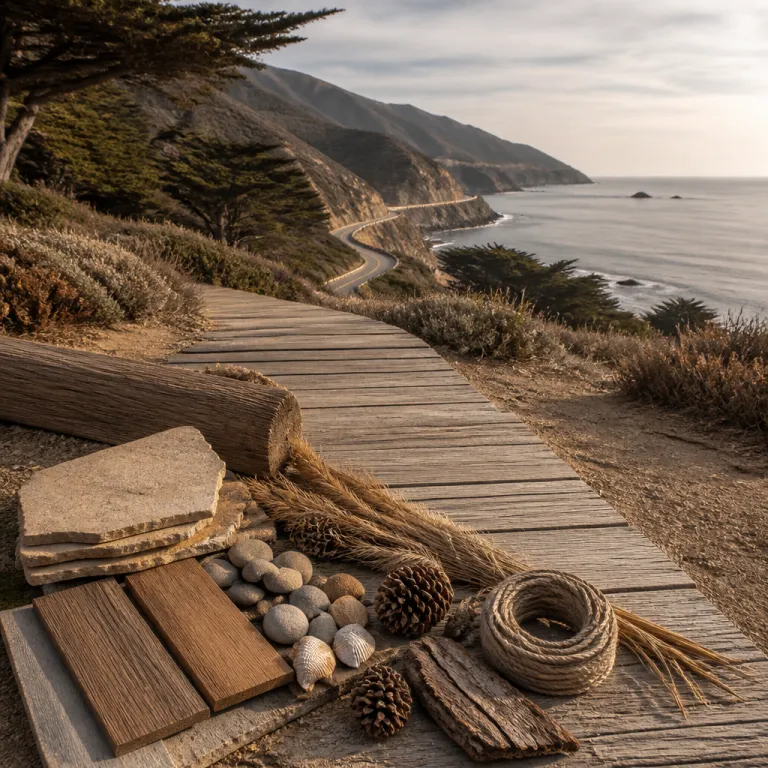
How the Big Sur state parks list shapes your hotel choice
Choosing a hotel in Big Sur is easier when you start with the Big Sur state parks list and work outward from the coastline. The California Department of Parks and Recreation manages a chain of state park properties along Highway 1, and this continuous ribbon of protected land quietly dictates where lodging clusters, how far you will drive, and which views you will wake up to. For any stay longer than one night, you should match your preferred state park or several state parks to a nearby hotel zone before you book.
Most visitors arrive with a vague idea of a famous beach or a dramatic point on the map, yet the reality on the ground is that each state park sits in a different microclimate and traffic pattern. The northern parks near Monterey County’s urban edge feel cooler and more accessible, while the central Big Sur Valley and the southern canyon parks offer a more remote atmosphere that affects driving times to your hotel. When you understand how each state park, state beach, and state natural reserve aligns with lodging areas, you can avoid long night drives on Highway 1 and enjoy calmer evenings at your chosen property.
Think of the Big Sur state parks list as a spine that runs through your itinerary, with hotels acting as ribs branching toward the ocean or the forest. If you want to spend mornings on a beach and afternoons on a forest trail, you will likely base yourself near Pfeiffer Big Sur State Park or near the coast between Garrapata and Point Lobos State Natural Reserve. Travellers who care more about historic park sites, such as Point Sur State Historic Park and the Point Sur Lightstation, may prefer hotels in the northern or central Big Sur area to reduce backtracking along the Big Sur River valley and the surrounding hills.
Northern Big Sur: from Garrapata to Point Lobos for coastal hotel stays
The northern section of the Big Sur coast begins just south of Carmel and Monterey, where Garrapata State Park and Point Lobos State Natural Reserve anchor a dramatic shoreline. Hotels in this area give you quick access to the state beach coves, the headland trail networks, and the sheltered creek canyons that define the transition from the Monterey Peninsula into Big Sur proper. If you prefer shorter drives from San José or San Francisco, this part of Monterey County offers the most convenient blend of coastal scenery and comfortable lodging.
Point Lobos State Natural Reserve is often described as the crown jewel of the California state park system, and staying nearby allows you to enter early before the small parking lots fill. Here, the state marine protected areas offshore shelter sea otters and migrating whales, while on land you can follow easy trails that loop around points, coves, and a low valley filled with Monterey cypress. A hotel near Carmel or the northern Big Sur area works well if you plan to spend multiple mornings at this natural reserve and then continue south to other state parks during the day.
Farther down the coast, Garrapata State Park stretches along Highway 1 with blufftop trails, pocket beaches, and a rugged recreation area that feels wilder than its proximity to town suggests. The park’s Soberanes Point trail system offers sweeping views of the Big Sur coast, and several pullouts provide access to the rocky shore and a seasonal creek. When you choose a hotel in this northern zone, you gain easy day trip access to Point Sur, Andrew Molera State Park, and Pfeiffer Big Sur State Park without committing to the deeper remoteness of the central Big Sur Valley.
Central Big Sur valley: Pfeiffer Big Sur and Andrew Molera near forested lodges
The heart of the Big Sur state parks list lies in the central valley around Pfeiffer Big Sur State Park and Andrew Molera State Park, where the Big Sur River cuts through redwood groves before meeting the Pacific. Hotels here tend to sit either on the inland side of Highway 1 among the trees or on the ocean side with views toward the cliffs and the river mouth. If you want to balance forest shade, river access, and easy drives to both northern and southern parks, this central area is the most strategic base.
Pfeiffer Big Sur State Park occupies a broad valley floor where the Big Sur River meanders past campgrounds, day use areas, and trailheads that climb into the surrounding hills. Several hotels cluster within a short drive of the park entrance, giving you the option to spend dawn on the river trail, midday at the state beach further west, and evening at a restaurant without long transfers. Because this state park is popular year round, you should book your hotel well in advance, especially if you plan to combine it with visits to Julia Pfeiffer Burns State Park and other state parks farther south.
North of the valley, Andrew Molera State Park protects a wide coastal plain, a river mouth, and a long beach reached by trails that cross fields and a seasonal footbridge. The park feels more open and less developed than Pfeiffer Big Sur, which appeals to travellers seeking a quieter recreation area with space to walk and watch birds along the Big Sur River corridor. Staying in a hotel between Andrew Molera and Pfeiffer Big Sur allows you to alternate between forested hikes, beach days, and excursions to Point Sur State Historic Park without spending too much time in the car.
Iconic coastal drama: Julia Pfeiffer Burns, Limekiln, and southern Big Sur
South of the central valley, the Big Sur state parks list becomes more dramatic and more spaced out, which has direct implications for where you book your hotel. Julia Pfeiffer Burns State Park is the headline name here, famous for McWay Falls dropping directly onto a small cove and for trails that climb into the Santa Lucia Range. Because there is no lodging inside this state park, travellers usually stay north in the Pfeiffer Big Sur area or south near Lucia and Gorda, accepting longer drives in exchange for quieter nights.
Julia Pfeiffer Burns State Park is compact but intense, combining a short overlook trail to the waterfall with longer routes into the backcountry that require preparation and respect for changing conditions. The coastline around this park forms part of a broader state natural and state marine conservation mosaic, where steep cliffs, offshore rocks, and deep water create a wild seascape. If you choose a hotel in the central Big Sur Valley, you can reach this park in under an hour in light traffic, then continue south to Limekiln State Park for canyon hikes among redwoods and historic lime kiln ruins.
Limekiln, while not always listed first on a casual Big Sur state parks list, rewards those who make the extra drive with a blend of beach access, creekside trails, and industrial history. The park’s short paths follow Limekiln Creek through a narrow canyon to the old kilns, while another trail leads to a small state beach framed by cliffs and forest. Hotels in the far southern Big Sur area are fewer and more isolated, so many visitors opt to stay nearer to Pfeiffer Big Sur or Andrew Molera and treat Limekiln and the surrounding Julia Pfeiffer Burns State Park landscapes as a full day excursion.
Point Sur, historic parks, and how heritage sites influence your stay
Not every entry on the Big Sur state parks list is defined solely by beaches and forests, because several sites focus on cultural heritage and maritime history. Point Sur State Historic Park, dominated by the Point Sur Lightstation on a volcanic rock, offers guided tours that require advance planning and careful timing. If this historic park is a priority for you, consider a hotel either in the central Big Sur Valley or toward the Monterey side, where early departures and flexible evenings are easier to manage.
Point Sur sits roughly between Andrew Molera and Pfeiffer Big Sur, which makes it a natural stop on a day that also includes hiking or a picnic along the Big Sur River or at a nearby state beach. The combination of a state historic site, a rugged point, and surrounding state parks means that your daily schedule can quickly fill, so proximity from your hotel becomes a practical concern rather than a luxury. Travellers interested in the broader story of California state development along this coast often pair Point Sur with visits to other historic park elements, such as lime kilns, old ranch sites, and early highway viewpoints.
Because tours at Point Sur State Historic Park run on fixed days and times, you should align your hotel booking with the specific tour you hope to join. Staying closer to Monterey or Carmel gives you more dining options after a long day, while lodging deeper in Big Sur offers darker skies and quieter nights but longer returns. Either way, the presence of this state historic landmark on the Big Sur state parks list adds a layer of narrative depth to your trip that complements the natural reserve and state marine environments offshore.
Practical planning: fees, access, and aligning parks with hotel nights
Once you have matched your preferred entries on the Big Sur state parks list to a general lodging area, it is time to consider logistics. The California Department of Parks and Recreation notes that visitors should check park hours before visiting, be aware of current restrictions, and follow Leave No Trace principles, and these simple guidelines should shape how you structure each day from your hotel base. Because several state parks in the region participate in a shared day use fee system, you can often visit more than one park or state beach in a single day without paying multiple times, which is useful when you are driving between the valley and the coast.
Entrance fees for most Big Sur state parks are charged per vehicle, and the standard amount is typically around ten dollars, which is modest compared with the value of the landscapes you access. When you factor this into your hotel budget, remember that parking at popular sites like Julia Pfeiffer Burns State Park or Pfeiffer Big Sur State Park can fill early, so staying closer reduces the risk of arriving to full lots. If you are travelling from San Luis Obispo County or farther south, consider an overnight stop near the southern parks before continuing to the central Big Sur Valley to break up the drive.
Weather and wildfire recovery work can temporarily close trails, campgrounds, or even entire sections of Highway 1, which in turn affects how you move between your hotel and each state park. Before finalising a non refundable booking, check current conditions for every state park, state natural reserve, and state beach on your list, especially those near creeks and steep slopes. With roughly 10,000 acres of Big Sur state parks under protection, spread across multiple microclimates and elevations, a flexible plan will help you adapt while still enjoying the Big Sur coast, the river valleys, and the national and state marine environments offshore.
Key figures that matter for hotel guests near Big Sur state parks
- The combined area of the main Big Sur state parks is on the order of 10,000 acres, according to the California Department of Parks and Recreation, which means a dense concentration of protected land within a relatively short coastal drive.
- Standard day use fees for most Big Sur state parks are typically around 10 US dollars per vehicle, and in many cases the same receipt is honored at additional parks on the same day, which is a small fraction of an average hotel night yet grants access to beaches, trails, and picnic areas from sunrise to sunset.
- Big Sur’s state parks operate year round, but peak visitation coincides with school holidays and clear weather periods, so hotel rates and availability often tighten during these high demand windows.
- Highway 1 through the Big Sur region runs for roughly 90 miles between Carmel and San Simeon, and many hotels sit within 3 to 10 miles of at least one state park entrance.
- Restoration projects following major wildfires have focused on trail repair and habitat recovery in several state parks, which can temporarily reduce access but ultimately improves long term visitor safety and ecological resilience.
FAQ about Big Sur state parks and hotel planning
Which state parks are included in the Big Sur state parks list?
The core Big Sur state parks list includes Garrapata State Park, Point Sur State Historic Park, Andrew Molera State Park, Pfeiffer Big Sur State Park, Julia Pfeiffer Burns State Park, and Limekiln State Park. Some travellers also include Point Lobos State Natural Reserve and nearby state beach areas in their personal lists. All of these parks lie within Monterey County along Highway 1 between Carmel and the southern Big Sur coast.
Are there entrance fees for Big Sur state parks, and how do they affect my budget?
Most Big Sur state parks charge a per vehicle day use fee that is typically around 10 US dollars, and the same receipt is often valid at multiple parks on the same day within the California State Parks system. When planning your hotel stay, it is sensible to allocate a small daily amount for these fees, especially if you intend to visit more than one state park or state beach each day. The cost is modest compared with accommodation and dining, yet it grants access to extensive trail networks, picnic areas, and beaches.
Can I camp in Big Sur state parks instead of booking a hotel?
Several Big Sur state parks, including Pfeiffer Big Sur State Park, Andrew Molera State Park, and Limekiln State Park, offer camping options that range from developed campgrounds to more rustic sites. Reservations are strongly recommended, particularly during peak seasons, because demand often exceeds supply. Travellers who prefer hotel comfort can still visit these campgrounds during the day to access trails, river areas, and beaches.
Where should I book a hotel if I want to visit multiple Big Sur state parks?
For a balanced itinerary, many visitors choose hotels in the central Big Sur Valley near Pfeiffer Big Sur State Park, which offers reasonable driving times to Andrew Molera, Point Sur, Julia Pfeiffer Burns, and even Limekiln. Those who prioritise Point Lobos and Garrapata may prefer lodging closer to Carmel or Monterey, while travellers focused on the southern parks sometimes stay near Lucia or Gorda. Your ideal location depends on whether you value shorter drives, more dining options, or deeper seclusion.
How do seasonal conditions affect access to Big Sur state parks and nearby hotels?
Winter storms and post wildfire repair work can lead to temporary closures of trails, campgrounds, or sections of Highway 1, which may lengthen travel times between your hotel and specific state parks. Summer and holiday periods bring heavier traffic and fuller parking areas, so staying closer to your priority parks helps you arrive early and avoid congestion. Checking current conditions with the California Department of Parks and Recreation before finalising hotel reservations is essential for a smooth trip.
Sources
California Department of Parks and Recreation; Monterey County tourism authorities; National Park Service coastal conservation data.