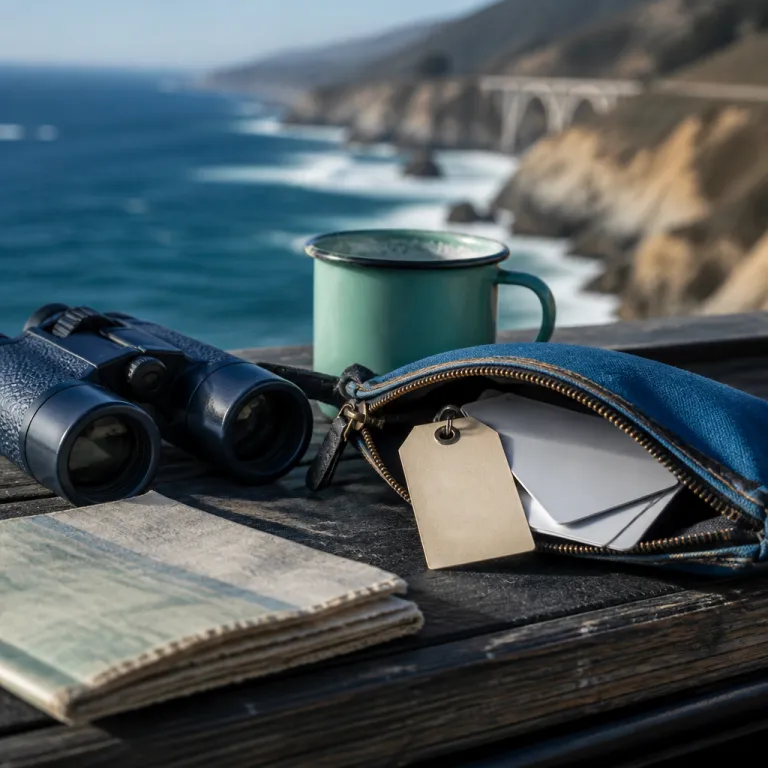
Why a Big Sur day trip from San Francisco works for hotel seekers
A carefully planned Big Sur day trip from San Francisco helps you decide where to sleep along this dramatic coast. When you drive Highway 1 as a same-day road trip from the city, you experience how distance, traffic and daylight shape the best locations for a future stay on the California coast. That first exploratory drive also reveals which stretch of Big Sur feels right for you, from quiet redwood canyons to clifftop inns with sweeping Pacific views.
The distance from San Francisco to Big Sur is about 240 kilometres (roughly 150 miles) by the coastal road. Typical driving time on this California coast route is around three to four hours each way in good conditions according to Google Maps, but the journey often takes longer once you factor in photo stops, short walks and pauses at every spectacular point. Experiencing that real time on the road clarifies whether you will prefer a hotel near Monterey Bay, close to Carmel-by-the-Sea, or deep inside Big Sur itself for a later night.
Many travellers start early from San Francisco and return the same day, then book a longer stay once they know which state park or beach they love most. Others realise during the trip that one day is not enough and immediately secure a room for the following night near a favourite state park such as Julia Pfeiffer Burns or near Pfeiffer Beach. Using your first San Francisco coastal escape as a scouting tour gives you confidence when investing in a higher-end room with those signature Big Sur views.
Designing the perfect coastal route for your scouting road trip
For a hotel-focused Big Sur day trip from San Francisco, the route you choose matters as much as the rooms you later book. Leaving from San Francisco before sunrise lets you reach the first major point near Santa Cruz with soft light on the beach and fewer cars on the road. This early start also builds in time for slow sections and unplanned stops without cutting short your survey of potential places to stay along the coast.
Most travellers follow Highway 1, the classic California coast road trip that threads through Santa Cruz, Monterey and Carmel-by-the-Sea before entering the wilder stretches of Big Sur. Between Santa Cruz and Monterey Bay you pass long sandy beach areas and low bluffs, which suit travellers who will prefer casual motels and family-friendly stays rather than secluded hideaways. Once you cross into the Big Sur region itself the highway narrows, the cliffs rise and the atmosphere shifts, signalling that any hotel here will feel more remote and immersive.
Plan your day so that you reach Bixby Creek Bridge and the nearby viewpoints when the sun is high enough to illuminate the arches and the turquoise water below. This section of road offers some of the most famous views on the California coast and helps you judge whether you want a hotel north of the bridge near Carmel-by-the-Sea or farther south in the heart of Big Sur. Continue towards Julia Pfeiffer Burns State Park and McWay Falls, then turn back in time to reach San Francisco before dark while noting which villages and headlands felt most appealing for a future night.
Key stops that shape where you will want to stay overnight
Every stop on a Big Sur day trip from San Francisco doubles as research for your eventual hotel booking. At Point Lobos State Natural Reserve near Carmel you walk clifftop trails with views over Monterey Bay and the open Pacific, which helps you decide whether a room near this calmer state park suits your pace. If you find yourself lingering at each point and wishing for more time, that is a clear sign you will appreciate at least one night in the region rather than only a single day trip.
Driving south from Carmel-by-the-Sea you soon reach Bixby Creek Bridge, where the combination of engineering and wild coast makes many travellers fall in love with Big Sur. The pullouts around Bixby Bridge are also where you feel the exposure of Highway 1 most strongly, so anyone nervous about heights may prefer hotels closer to Monterey or Carmel instead of deeper along the cliffs. Notice how the light changes here during the day, because the direction of sunset or sunrise from your future room will shape your experience as much as the interior design.
Farther south, Julia Pfeiffer Burns State Park and its McWay Falls overlook offer one of the most iconic views on the California coast. Standing above McWay Falls as it drops to the tiny beach below, you can easily imagine returning to a nearby hotel and walking back at different times of day. On the way north again, a detour to Pfeiffer Beach with its purple-tinged sand and rock arches may convince you that a stay near Julia Pfeiffer Burns and the surrounding state forest will give you the blend of forest and beach access you value most.
Balancing driving time, comfort and safety when choosing your base
Understanding the real driving time on a Big Sur day trip from San Francisco is essential before you commit to any reservation. The coastal road between San Francisco and Big Sur is beautiful but slow, with curves, occasional construction and frequent stops at every scenic point. Experiencing this pace during a day trip helps you decide whether you will be comfortable returning late to the city or whether you should book a hotel along the route to reduce fatigue.
Many travellers underestimate how tiring a full road trip can feel when combined with multiple hikes in each state park and long photo sessions at every beach. By the time you have explored Point Lobos, walked to McWay Falls and strolled along Pfeiffer Beach, the idea of driving all the way back from Big Sur to San Francisco in one push may seem less appealing. That is when a previously scouted inn near Carmel, a lodge in the redwoods or a coastal retreat near Julia Pfeiffer Burns State Park becomes more than a luxury and turns into a safety choice.
Use your first day to test how you respond to Highway 1 in different conditions, from morning fog near Santa Cruz to late afternoon glare around Bixby Bridge. If you find the road stressful, consider booking a hotel near Monterey Bay or Cannery Row and using that as a base for shorter drives into Big Sur on subsequent days. Those who enjoy every curve and cliff edge may instead choose a stay deep inside the region, where the night sky is dark, the surf is loud and the coast feels far removed from San Francisco.
Self drive versus guided tour for first time visitors
When planning a Big Sur day trip from San Francisco you must decide whether to drive yourself or join an organised tour. Self-drive gives you full control over where to stop, how long to linger at each beach and which potential hotel properties to inspect along the coast. Guided tours from San Francisco reduce stress on Highway 1 and let you focus on the scenery, but they limit your ability to detour into small side roads where many intimate lodgings hide.
Tour operators based in San Francisco and Monterey Bay typically follow a classic itinerary that includes Santa Cruz, Bixby Bridge, a major state park such as Point Lobos or Julia Pfeiffer Burns, and a viewpoint near McWay Falls. These tours are ideal if you want an overview of Big Sur before returning later for a longer stay in a specific area. However, because the schedule is fixed you may not have time to inspect hotels near Pfeiffer Beach, Cannery Row or Carmel-by-the-Sea, which can be important if you are choosing between several coastal bases.
Self-drive travellers can adapt their road trip in real time, skipping crowded viewpoints to reach quieter stretches of the California coast where future nights will feel more peaceful. They can also adjust their timing to catch sunset at a favourite point or to revisit a state park that felt especially promising for morning walks from a nearby hotel. Whatever method you choose, remember the practical advice often shared with visitors to this region: start early to maximise daylight, check road conditions and closures with Caltrans before departure and bring layers for changing weather.
How a single day shapes a longer stay on the California coast
Using a Big Sur day trip from San Francisco as a scouting mission transforms how you later experience an extended stay. During that first day you learn which segments of Highway 1 inspire you, which state park trails match your fitness and which beach settings feel most relaxing. You also notice where mobile coverage drops, where fog lingers longest and where the sound of the ocean is loud enough that you will want a room set slightly back from the immediate coast.
Some travellers finish their initial road trip convinced that they will base themselves near Monterey Bay or Cannery Row, combining urban comforts with easy access to Point Lobos and Carmel-by-the-Sea. Others fall for the drama around Bixby Bridge, McWay Falls and Julia Pfeiffer Burns State Park and decide that only a stay deep in Big Sur will satisfy them. A few discover that the gentler coastline near Santa Cruz or the forested areas around the state parks and redwood groves suit their need for quiet more than the exposed cliffs farther south.
Whatever you choose, the knowledge gained from that first San Francisco excursion ensures that your eventual booking aligns with how you actually travel rather than how you imagined the California coast from afar. You will know whether you prefer sunrise over a sheltered bay or sunset from a clifftop terrace, whether you want to walk from your door to a beach or to a redwood grove in a nearby state park. That clarity turns a simple day trip from the city into the foundation for a deeply satisfying stay in one of the most remarkable stretches of coast in the United States.
Key figures for planning your Big Sur coastal escape
- The distance between San Francisco and the central Big Sur area along Highway 1 is roughly 240 kilometres (about 150 miles), which translates into about three to four hours of continuous driving in light traffic according to typical Google Maps estimates.
- Travellers who include stops at Santa Cruz, Monterey Bay, Carmel and at least one major state park such as Point Lobos or Julia Pfeiffer Burns usually spend 10 to 12 hours on the full round trip, leaving little margin for delays.
- Many organised tours from San Francisco limit time actually inside Big Sur to four to five hours, which is enough for headline views at Bixby Bridge, McWay Falls and Pfeiffer Beach but not for in-depth hotel scouting.
- Because Highway 1 is a single-carriageway coastal road with frequent maintenance and occasional rockfall closures, even minor construction can add 30 to 60 minutes to the journey, so travellers planning same-day returns should always build in extra time.
FAQ about a Big Sur day trip from San Francisco
What are must see spots in Big Sur on a day trip?
What are must-see spots in Big Sur? Bixby Creek Bridge, McWay Falls, Pfeiffer Beach. On a single day trip from San Francisco you can usually include at least one state park such as Point Lobos or Julia Pfeiffer Burns as well. Prioritise a mix of viewpoints, short walks and one beach stop so you still have time to return safely along Highway 1.
Is a day trip sufficient to explore Big Sur before booking a hotel?
Is a day trip sufficient to explore Big Sur? Yes, but an overnight stay allows for a more relaxed experience. A single Big Sur day trip from San Francisco gives you a strong overview of the coast, the main state park options and the feel of different villages. However, if you plan to hike longer trails or compare several hotels in detail, you will benefit from at least one or two nights in the region.
Are there dining options in Big Sur during a scouting visit?
Are there dining options in Big Sur? Yes, several restaurants and cafes are available. Along the road between Carmel and Julia Pfeiffer Burns State Park you will find clifftop restaurants, casual cafés and small markets where you can pause during your road trip. For more varied choices before or after your Big Sur drive, consider stopping in Santa Cruz, Monterey Bay or near Cannery Row in Monterey.
When should I start my Big Sur day trip from San Francisco?
Travellers planning a full loop from San Francisco should leave around sunrise to maximise daylight on the California coast. This timing lets you reach Santa Cruz and Monterey Bay early, explore at least one state park and still enjoy sunset near Bixby Bridge or Carmel-by-the-Sea. Starting late in the morning often forces you to rush key stops such as McWay Falls or Pfeiffer Beach or to drive Highway 1 back in darkness.
Is it better to self drive or join a tour for hotel research?
Self-drive offers the greatest flexibility for evaluating potential hotel locations along Big Sur, because you can stop at any point, inspect nearby properties and adjust your timing. Guided tours from San Francisco are more relaxing and handle navigation on the winding coastal highway, but they follow fixed schedules that may not include every area you want to assess. Many travellers take a first guided tour to understand the region, then return by car on another day trip from the city to focus on specific stretches of the coast before booking.