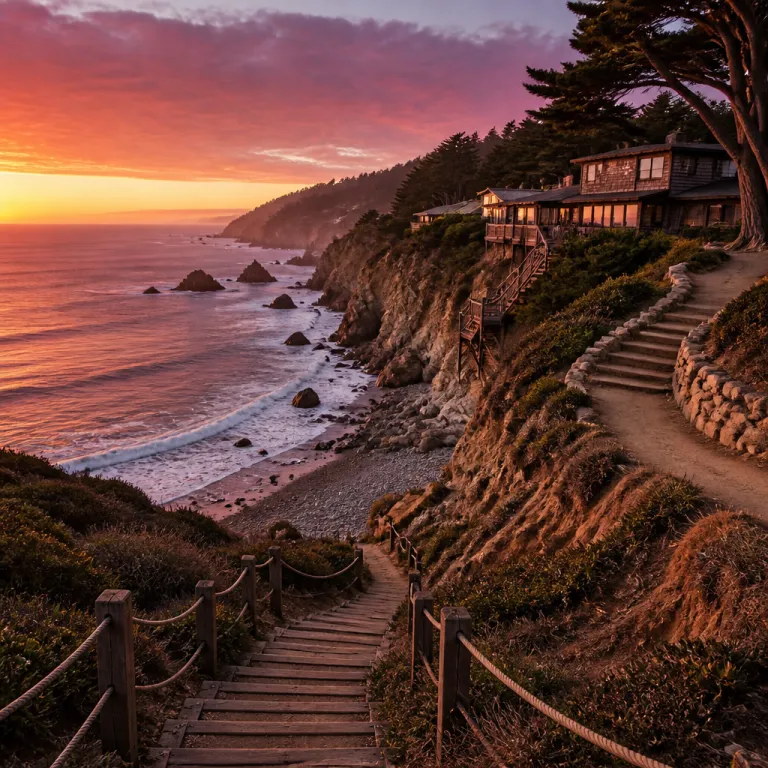
How Big Sur beach access points shape your hotel choice
Choosing a hotel in Big Sur is easier when you first understand how the most rewarding Big Sur beach access points are spread along the central California coast. The rugged shoreline means every cove and every access route feels different, so where you stay will strongly influence how much time you spend driving Highway 1 versus relaxing by the water. For many travellers, being close to at least one easily accessible beach with reliable parking, clear access points, and predictable walking routes is worth prioritising over an extra luxury feature in the room.
Along this stretch of the California coast, the main highway acts as a spine connecting Big Sur lodges, the Monterey area to the north, and several state park entrances. Hotels near the central village of Big Sur place you within a short drive of Pfeiffer Beach, Andrew Molera State Park, and Garrapata State Park, which together offer some of the most varied beach recreation options. As a rough guide, Pfeiffer Beach sits about 3 miles (5 km) and roughly 10 minutes from central Big Sur, Andrew Molera State Park is around 5 miles (8 km) or 10–15 minutes north, and Garrapata State Park is roughly 18 miles (29 km) or 30–35 minutes closer to Monterey. When you compare properties, look carefully at the distance in kilometres to these beaches, the typical road miles in peak season, and whether the hotel team can provide up to date info on closures, construction, or limited accessibility.
Because the terrain is steep and wild, not every beach is easily accessible for all visitors, especially if you need a beach wheelchair or an accessible restroom. Some hotels work closely with California State Parks staff and the Big Sur Chamber of Commerce to share accurate accessibility info about each beach, including where accessible parking is available and which access points have an entrance accessible without stairs or narrow ramps. As one Monterey County ranger recently put it, “assume the trail will be steeper than it looks on the map, and call ahead if you rely on wheels.” If you or someone in your group uses a wheelchair, ask the hotel directly which nearby beaches offer an accessible parking lot entrance, how far the walk is from the lot to the sand, and whether a beach wheelchair is currently available.
Pfeiffer Beach and Sycamore Canyon Road: what hotel guests must know
Pfeiffer Beach is one of the most talked about stretches of sand in Big Sur, and for good reason. The combination of purple tinged sand, dramatic rock formations, and relatively sheltered surf makes this one of the most rewarding Big Sur beach access points for guests staying nearby. However, the access route via Sycamore Canyon Road is narrow, winding, and easy to miss if you simply follow the road without preparation, clear directions, or a reliable map.
To reach Pfeiffer Beach, you leave Highway 1 near the Big Sur post office and follow Sycamore Canyon Road for several road miles down to the coast. The canyon road is paved but single lane in sections, so drivers must be patient and prepared to yield, especially during the middle of the day when traffic peaks and larger vehicles pass. Hotels in central Big Sur often provide printed directions that explain exactly where to turn, how to follow the road safely, and what to expect at the parking lot entrance, and some now include a short advisory sheet at check in that highlights current conditions on Sycamore Canyon.
At the bottom of Sycamore Canyon, you arrive at a small recreation area with a compact parking lot that fills quickly. There is a fee for the lot, and once miles of parking capacity are reached, staff may turn cars away, so many hotel concierges recommend arriving early in the day or timing your visit for late afternoon. While Pfeiffer Beach itself is not fully accessible for every wheelchair user due to soft sand and short slopes, the entrance accessible area near the lot offers an accessible restroom, and some seasons may see a beach wheelchair available through California State Parks or partner programmes. A recent advisory from local staff noted that beach wheelchair availability can change “week to week depending on surf and sand conditions,” so ask your hotel to check current accessibility info before you go and confirm whether accessible parking is open.
State park beaches near Big Sur hotels: matching location to experience
Several state park beaches sit within a reasonable drive of most Big Sur hotels, and each offers a different balance of scenery, accessibility, and facilities. Andrew Molera State Park, for example, requires a pleasant walk of roughly two kilometres from the parking lot to the beach, which suits guests who enjoy light hiking as part of their day. In contrast, Garrapata State Park has multiple roadside pull outs and short trails that bring you to dramatic coves, making these access points big advantages for travellers who prefer shorter walks or quick photo stops.
When you book a room, ask how far the property is from each state park beach in actual kilometres, not just driving time, because road conditions on this coast can change quickly. Hotels closer to the Monterey side of Big Sur often promote easier access to Garrapata and Carmel River State Beach, while those deeper in Big Sur State Park territory highlight Pfeiffer Big Sur State Park for river access and forest walks rather than open ocean swimming. If you value a flexible day where you can move between forest and beach without long drives, staying near Pfeiffer Big Sur State Park places you close to both redwood trails and the turnoff for Pfeiffer Beach.
Accessibility varies widely between these state park beaches, so guests with mobility needs should plan carefully. Some parking areas offer clearly signed accessible parking spaces and a relatively flat path to viewpoints, while others require uneven steps or narrow tracks. Before confirming your hotel, review recent California State Parks accessibility info and then ask staff whether nearby state park beaches have an accessible restroom, whether the lot entrance is paved, and whether a beach wheelchair can be reserved through park services or local recreation partners for the day.
Practical accessibility: parking, wheelchairs, and on the ground realities
For many hotel guests, the difference between a memorable beach day and a frustrating one comes down to practical accessibility details. Big Sur beach access points are often carved into steep cliffs, so even when a parking lot is available, the path from car to sand may involve steps, slopes, or soft surfaces. Travellers who rely on a wheelchair or have limited mobility should not assume that any beach labelled as accessible will offer the same level of support or the same type of path.
In practice, you will find a spectrum of accessibility along this coast, from simple roadside viewpoints with an entrance accessible to most wheelchairs, to more challenging trails that drop from the parking lot to the shore. Some locations provide accessible parking close to the main viewpoint but not all the way to the beach itself, which still helps guests who want to enjoy the ocean without tackling steep paths. Hotels that regularly host guests with mobility needs often maintain up to date info on which access points currently offer a beach wheelchair, where the nearest accessible restroom is located, and how many road miles you must drive from the property to reach them.
Because parking is limited at almost every Big Sur beach, timing matters as much as location. Arriving early in the day or later in the afternoon increases your chances of finding a space in the main parking lot rather than relying on informal roadside parking, which may not be safe or legal. When you plan your stay, check recent state park advisories and then ask your hotel whether they recommend specific miles of parking areas along Highway 1, whether any lots are known for frequent closures, and how best to follow the road signage to avoid missing a small lot entrance on a blind curve.
Planning your beach day from your Big Sur hotel
Once you have chosen a hotel, the next step is to design beach days that match your energy level and interests. Some guests prefer a single long outing to one of the headline Big Sur beach access points such as Pfeiffer Beach, while others enjoy a slower day that strings together several smaller coves and viewpoints. Your hotel’s front desk or concierge can help you balance driving time, walking distance, and recreation options so that you make the most of limited daylight and avoid unnecessary backtracking.
Start by deciding whether you want a more structured day inside a state park or a flexible itinerary along the open coast. A day based around Pfeiffer Big Sur State Park, for example, might combine a morning river walk beneath redwoods with an afternoon drive down Sycamore Canyon to the ocean, using the same canyon road as your access route. Alternatively, you might focus on the northern section closer to Monterey, where you can follow the road between Garrapata, Soberanes, and Carmel River beaches, stopping wherever the parking lot looks inviting and the surf conditions feel comfortable.
Whatever you choose, pack for changeable conditions and limited services at many access points. Most Big Sur beaches lack cafés or shops, so bring water, snacks, and layers from your hotel, and remember that dogs on leash are required or restricted depending on the specific beach rules. Staff at your accommodation can often share printed maps that highlight key access points, approximate road miles between them, and any current advisories from California State Parks or the Big Sur Chamber of Commerce about closures, erosion, or temporary limits on parking and recreation.
Safety, etiquette, and aligning expectations with Big Sur’s wild coast
Part of the appeal of Big Sur beach access points is how untamed they feel, but that same wildness demands respect. Strong currents, cold water, and steep drop offs are common along this coast, so many visitors choose to enjoy the beach from the sand rather than swimming far from shore. When you book a hotel, ask staff which nearby beaches are better for gentle recreation such as picnics and photography, and which are known for heavier surf that suits only experienced ocean swimmers.
Local organisations emphasise that visitors should arrive prepared and self reliant, especially when exploring less developed access points. Wear sturdy shoes for hikes, check weather forecasts, and respect private property and signed closures. These simple habits help protect both you and the fragile environment, and hotels that value sustainability will often reinforce the same guidance when they share beach info at check in.
Etiquette extends beyond safety into how you share limited space at popular beaches. Keep dogs on leash where required, avoid blocking accessible parking spaces if you do not need them, and leave accessible restroom facilities clean for the next visitor. By aligning your expectations with the realities of a remote California coast, you will find that even a short walk from a small parking lot to a quiet cove can feel like one of the most rewarding moments of your stay in Big Sur.
Key figures on Big Sur beaches and visitor patterns
- There are numerous publicly accessible beaches and coves along the Big Sur stretch of the California coast, according to regional tourism and Big Sur Chamber of Commerce info, which means hotel guests have a varied but finite set of Big Sur beach access points to choose from.
- California State Parks and Monterey County tourism reports indicate that hundreds of thousands of visitors come to Big Sur beaches each year, so arriving early in the day significantly improves your chances of finding parking at popular access points such as Pfeiffer Beach.
- Because these visitors are spread across multiple state park units and informal coastal pull outs, pressure on any single parking lot can be intense during peak season, which is why many hotels recommend planning no more than two major beach stops per day.
- The number of officially designated accessible parking spaces and accessible restroom facilities remains limited along this rugged coast, so travellers who rely on a wheelchair should contact their hotel and relevant California State Parks offices in advance to confirm current accessibility conditions.
FAQ: practical questions about Big Sur beach access points
How do I access Pfeiffer Beach from my Big Sur hotel ?
Most hotels in central Big Sur will direct you to turn off Highway 1 near the post office and follow Sycamore Canyon Road for several kilometres down to the coast. The canyon road is narrow with limited passing areas, so drive slowly and be prepared to yield to oncoming traffic. At the end you will reach a small parking lot where a fee is charged, and once it is full, staff may restrict further access for the rest of the day.
Is there reliable parking at Big Sur beaches ?
Parking exists at many Big Sur beach access points, but capacity is limited and lots often fill by late morning on busy days. Some state park beaches have formal parking lots with marked accessible parking spaces, while others rely on small roadside pull outs. Hotels usually advise guests to arrive early, avoid parking in unofficial spots along the road, and have a backup beach in mind if the first lot entrance is closed.
Are dogs allowed on Big Sur beaches, and must they be on a leash ?
Policies vary between beaches and state park units, so you should check specific regulations before you go. Some areas allow dogs on leash on the sand or on certain trails, while others restrict pets entirely to protect wildlife or sensitive habitats. Your hotel can often provide up to date guidance on where dogs on leash are welcome and which access points are better suited to visiting with a pet.
What level of accessibility can wheelchair users expect at Big Sur beaches ?
Because of the steep and rugged terrain, full wheelchair accessibility directly onto the sand is rare, but several viewpoints and some facilities are designed with accessibility in mind. Certain parking areas offer accessible parking spaces, an entrance accessible to most wheelchairs, and an accessible restroom, though paths to the beach itself may still be challenging. Travellers who need a beach wheelchair or detailed accessibility info should coordinate with their hotel and with California State Parks offices before finalising daily plans.
Do I need to stay in Monterey to enjoy Big Sur beaches, or is it better to stay in Big Sur itself ?
Staying in Monterey offers more urban amenities and easier driving conditions, but it adds extra road miles each day to reach the central Big Sur beach access points. Choosing accommodation in Big Sur itself places you closer to Pfeiffer Beach, Pfeiffer Big Sur State Park, and other key stretches of coast, which reduces driving time and makes sunrise or sunset visits more practical. For travellers who prioritise beach time and scenic recreation over nightlife, a hotel in Big Sur usually provides the more rewarding base.
Sources
- Big Sur Chamber of Commerce (visitor info and access points)
- California State Parks (unit descriptions and accessibility info)
- Local tourism boards for Monterey County (Big Sur coast travel guidance)