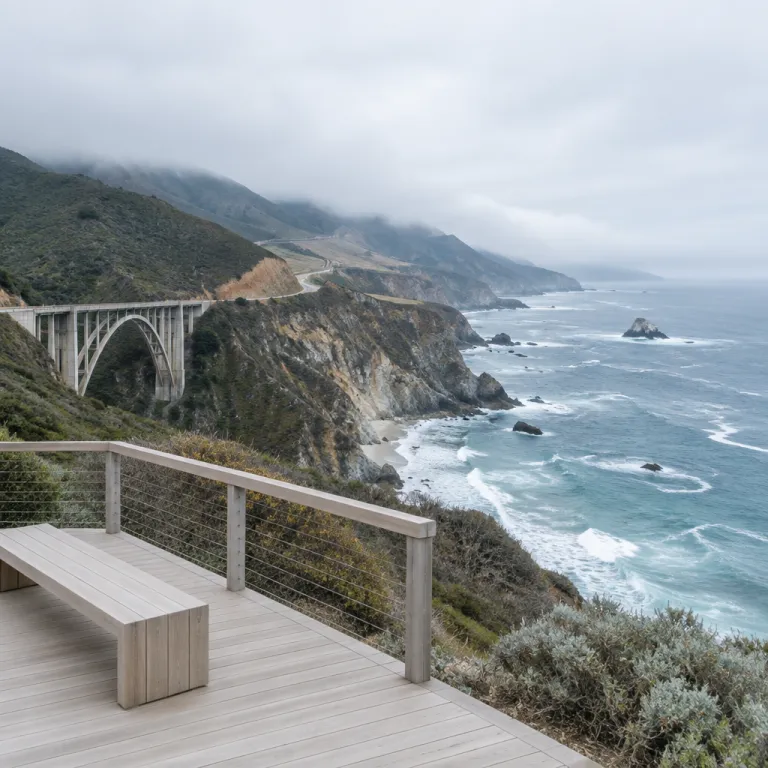
How many days in Big Sur for a first stay
Most travelers asking how many days in Big Sur should plan at least two nights. A three day stay lets you balance slow mornings, scenic drives along the California coast, and unhurried hotel time in the Big Sur area. With only one day, you will rush the road trip between Monterey and San Francisco and miss the quiet rhythm that makes this stretch of coast so special.
Think about your travel day on Highway 1 as part of the experience, not just a transfer. The drive from San Francisco to Big Sur or from Los Angeles via Santa Barbara is a full coastal journey, with every sea cliff and point along the Big Sur coast tempting you to stop for photos and short walks. When you add in parking delays at places like Bixby Bridge or a popular state park, two nights quickly feels like the minimum comfortable duration.
Hotel choice also shapes how many days in Big Sur you need. If you stay at a property with a strong sense of place, such as Big Sur River Inn beside the Big Sur River, you will want extra time to enjoy on site dining, terraces, and forest paths. A longer stay turns your room into a calm base where each day opens window after window onto new views of the coast, rather than just a quick overnight on a long road trip.
Designing a Big Sur road trip itinerary along Highway 1
When you design a Big Sur road trip, start by mapping driving time between key coastal towns. The stretch of California coast between Monterey, Carmel, and Big Sur is short in distance but long in stops, because every beach, point, and state park invites you to linger. A realistic trip itinerary gives you one full day for the drive from Monterey or Carmel to Big Sur and another full day for the onward drive toward San Simeon or back to San Francisco.
Highway 1 is a mountain road clinging to the coast, so your average speed is low and every extra photo stop adds minutes. Expect to pause at Bixby Bridge several times, both at the main parking lot and at smaller pullouts with different views of the sea and the rugged Big Sur River canyon. If you are heading to or from Los Angeles, factor in the long inland section beyond the Big Sur area, where the road straightens but the overall day still feels big and tiring.
For many guests, the answer to how many days in Big Sur becomes clear once they see how many highlights fit between Carmel and the redwood groves. You may want one day focused on the northern section around Point Lobos and Carmel sea views, and another day exploring Pfeiffer Beach, Partington Cove, and the inland state park trails. To understand how the Highway 1 drive itself shapes where you sleep, study a detailed guide to a Big Sur California road trip and how Highway 1 shapes your hotel choice, then match your Big Sur itinerary to the hotel locations that minimize backtracking.
Seasonal travel patterns on Highway 1 and ideal trip length
Seasonal patterns on Highway 1 strongly influence how many days in Big Sur you should book. In peak summer, traffic between Monterey and Big Sur slows, parking fills early at every state park, and a simple drive to a beach can take much longer than in quieter months. During these busy periods, three nights in the Big Sur area give you the time buffer you need to enjoy the coast without feeling trapped in your car.
Winter and early spring bring fewer visitors but more variable weather along the California coast. Storms can close sections of the Big Sur road, turning a planned day trip into a longer detour via inland routes between San Francisco and Los Angeles or Santa Barbara, so an extra night in a flexible trip itinerary is wise. If whale watching is part of your plan, align how many days in Big Sur you book with the peak migration windows, using a specialist guide on how Big Sur whale watching season shapes your hotel search to time your stay.
Fog is another seasonal factor that changes how you experience each day. Morning marine layers can hide sea views at Bixby Bridge, Point Lobos, or Pfeiffer Beach, so staying multiple days increases your chances of clear afternoons and sunsets. With two or three nights, you can adjust your Big Sur itinerary on the fly, visiting inland redwood trails in a state park when the coast is grey and saving the dramatic viewpoints for when the sky opens window wide over the ocean.
Balancing Big Sur hiking, beaches, and hotel time
Your personal balance between hiking, beach time, and hotel relaxation will refine how many days in Big Sur you need. Active travelers who want to walk several trails in one state park and still enjoy a long afternoon at a sheltered beach should aim for at least three full days. That allows one day focused on the northern coast around Carmel and Point Lobos, one day on central Big Sur highlights, and one flexible day for deeper hikes or spontaneous stops.
Consider how long you like to stay in one place once you arrive. A visit to Pfeiffer Beach, for example, involves a narrow access road, limited parking, and a walk from the parking lot to the sand, so you will not want to rush away after only an hour by the sea. The same applies to Partington Cove, where a short but steep trail down to the water rewards those who take their time to sit, listen to the surf, and absorb the scale of the surrounding cliffs.
Hotel amenities also deserve space in your Big Sur itinerary. If you choose a property like Big Sur River Inn on the Big Sur River, you may want a slow morning with coffee by the water, followed by only a half day drive to a nearby state park or coastal point. When you plan how many days in Big Sur to book, include at least one unstructured afternoon where you can simply enjoy your room, the on site restaurant, and the changing light over the surrounding California coast hills.
Choosing your Big Sur base: location, meals, and parking
Where you stay along the Big Sur coast will change how many days in Big Sur feel right. Properties clustered near Pfeiffer Beach and the central state park trailheads are ideal if you want to minimize daily driving and focus each day on a different nearby area. Stays closer to Carmel or Monterey work better if you prefer a more traditional town base with easier access to restaurants, shops, and larger parking areas.
Parking is a practical concern that many first time visitors underestimate. Popular stops such as Bixby Bridge, Point Lobos State Natural Reserve, and Pfeiffer Beach have limited parking lots, and during busy times of year you may circle for a space or wait in line at the entrance. Booking two or three nights gives you the flexibility to visit these points of interest early in the morning or late in the afternoon, when the light is softer and the crowds thinner.
Meal planning also shapes your ideal trip itinerary. Some hotels include breakfast and have on site dining, while others require a short drive along the Big Sur road to reach restaurants, which can feel longer at night after a full day on the California coast. To understand how hotel location affects your daily rhythm, including where you find the best breakfast in Big Sur, consult a detailed guide on how hotel location shapes your search for the best breakfast in Big Sur and then match that insight to how many days you want to spend in each part of the coast.
Extending your stay: linking Big Sur with Monterey, San Francisco, and Los Angeles
Many travelers asking how many days in Big Sur should also consider the wider California coast route. A classic itinerary links San Francisco, Monterey, Carmel, Big Sur, and Santa Barbara before finishing in Los Angeles, with each segment offering different styles of beach, state park landscapes, and coastal towns. In this context, two or three nights in the Big Sur area become the calm centerpiece of a longer road trip.
North of Big Sur, Monterey and Carmel provide a softer landing with more urban comforts. You might spend one day exploring the historic streets of Monterey, another day walking the headlands around Point Lobos and Carmel sea views, and then drive south into Big Sur for your most dramatic coast segment. Southbound, Santa Barbara and Los Angeles offer a contrast of Mediterranean style waterfronts and big city energy, turning the wild Big Sur River canyons and Henry Miller country into a memorable middle chapter.
When you plan a multi city trip itinerary, think in terms of travel days and full days. A travel day between San Francisco and Big Sur, or between Big Sur and Los Angeles, is rarely a simple transfer because you will want to stop at viewpoints, beaches, and state park overlooks along the Big Sur road. To keep the journey elegant rather than exhausting, anchor at least two full nights in Big Sur itself, so that one day can be dedicated to the central coast and another to either the northern or southern stretches of Highway 1.
How many days in Big Sur for repeat visitors and special interests
Once you have seen the headline views, how many days in Big Sur you need on a return visit depends on your interests. Photographers chasing specific light at Bixby Bridge, Pfeiffer Beach, or Partington Cove often stay three or four nights to increase their chances of the right combination of fog, sun, and sea conditions. Hikers who want to explore multiple state park trail systems in depth may also prefer a longer stay, using each day to focus on a different canyon or ridge.
Literary travelers drawn by Henry Miller and the artistic legacy of the area often move more slowly. They might spend a day at a single coastal point, reading and writing while the sea shifts color, then another day tracing the Big Sur River upstream or visiting cultural sites connected to the region’s creative history. For them, the question is less about how many days in Big Sur and more about how much time they can afford to let the coast reshape their usual sense of schedule.
Some guests simply use Big Sur as a restorative pause within a demanding California coast journey. After several big city days in San Francisco or Los Angeles, two or three quiet nights in the Big Sur area can reset your energy before you continue south toward Santa Barbara or north toward Monterey and Carmel. Whatever your focus, plan your Big Sur itinerary so that at least one day has no fixed agenda, allowing the changing weather, the sound of the sea, and the view from your room to decide whether you stay by the beach, wander a state park, or just enjoy the way each moment opens window after window onto this remarkable stretch of coast.
Key figures for planning time in Big Sur
- Highway 1 between Carmel and the central Big Sur area is roughly 45 kilometers, but driving this distance with scenic stops typically takes 2 to 3 hours in each direction according to California Department of Transportation travel guidance (based on typical coastal highway speeds and stop patterns).
- Point Lobos State Natural Reserve limits daily vehicle entries to protect wildlife and trails, which means arriving early in the day significantly increases your chances of finding parking during peak seasons as reported by California State Parks in public visitor information.
- Visitor data from Monterey County tourism authorities show that average stays along the Big Sur section of the California coast cluster around 2 to 3 nights, reflecting the time most travelers need to combine driving, hiking, and hotel relaxation, according to regional lodging and occupancy summaries.
- Studies of Highway 1 closure patterns by Caltrans indicate that major storm events can disrupt sections of the Big Sur road several times per decade, so building at least one flexible day into a longer road trip itinerary is a prudent safety margin based on historical closure reports.
FAQ about how many days to stay in Big Sur
Is one day in Big Sur enough if I am on a tight schedule ?
One day in Big Sur allows you to drive the main section of Highway 1, stop at a few viewpoints such as Bixby Bridge, and perhaps visit one state park, but it will feel rushed. If your schedule is tight, base yourself in Monterey or Carmel and plan a focused day trip to the closest part of the Big Sur area. You will see dramatic coast scenery, yet you will miss the slower mornings and evenings that make an overnight stay so rewarding.
How many days in Big Sur should I plan if I love hiking ?
Hikers should plan at least three days in Big Sur to enjoy a mix of coastal and forest trails. This gives you time for one day in a northern state park near Point Lobos, one day around Pfeiffer Beach and central canyon hikes, and one flexible day for longer routes or repeat favorites. With only two days, you can still hike, but you will need to choose shorter routes and accept more time in the car.
What is the best way to split time between Monterey, Carmel, and Big Sur ?
A balanced itinerary often includes one or two nights in Monterey or Carmel and two or three nights in Big Sur. This pattern lets you enjoy the aquarium, historic streets, and sheltered beaches near Carmel sea before heading south to the wilder cliffs and coves of the Big Sur coast. It also breaks up the driving on Highway 1 into shorter, more enjoyable segments.
Should I stay longer in Big Sur if I am driving between San Francisco and Los Angeles ?
Travelers driving the full distance between San Francisco and Los Angeles along the California coast benefit from at least two nights in Big Sur. The route includes many tempting stops, from Point Lobos and Bixby Bridge to Santa Barbara and smaller beach towns, so a longer pause in the Big Sur area keeps the journey from feeling like a single long driving day. If your schedule allows, three nights provide an ideal balance between transit days and relaxed coastal time.
Is Big Sur a good place for a longer slow travel stay ?
Big Sur works very well for slow travel if you value nature, quiet, and hotel comfort over urban attractions. A stay of four to five days lets you revisit favorite viewpoints in different light, explore multiple state park trails, and enjoy unhurried afternoons at your hotel or by the Big Sur River. This kind of extended visit suits travelers who prefer depth over speed and who see the changing sea and sky as the main attractions.