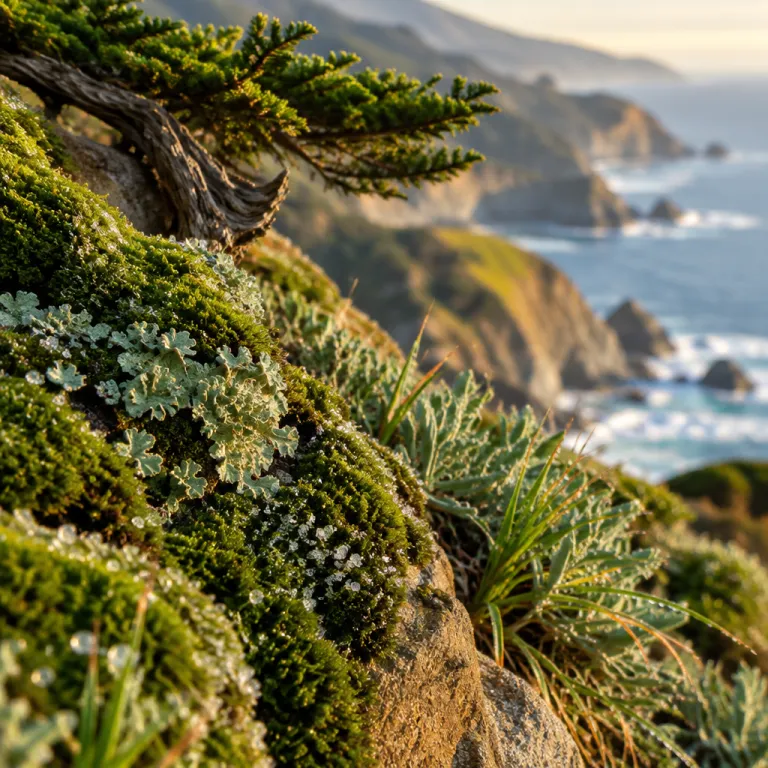
Planning a refined escape from Monterey to Big Sur
The coastal journey from Monterey to Big Sur shapes every refined stay along this part of the California coast. This stretch of shoreline combines wild scenery with polished hospitality, creating a rare balance between raw nature and attentive service. For travelers choosing a hotel, the way you plan this drive influences each day of your trip and how you experience each town.
Most guests begin in Monterey, then follow Highway 1 south as the landscape opens window after window of ocean views. The route forms a natural arc that links Monterey Bay, Carmel-by-the-Sea, and the first cliffs of Big Sur, so each place feels like a chapter in one continuous road trip. When you book a hotel, think of the entire coast as one long inn, with different wings in Monterey, Carmel, and Big Sur itself.
Monterey works well as a first night, especially if you arrive late in the day. The compact waterfront around Monterey State Beach and the historic wharf offers easy dining, while the wider Monterey Bay frames sunset in soft pastel tones. From here, the drive from Monterey to Big Sur the next morning feels unhurried, with time to stop at scenic overlooks, short trails, and beach access points along the road.
Why this stretch of coast defines a North America classic
Among coastal drives in North America, the road from Monterey to Big Sur stands apart. The combination of rugged cliffs, state park access, and carefully placed beach hotel options creates a sense of curated wilderness. You are never far from a comfortable hotel bed, yet the coast still feels thrillingly untamed.
Travelers often compare this California coast section to more crowded resort areas, and Big Sur consistently feels more contemplative. On a typical day, you might leave a Monterey beach hotel after breakfast, pause at Point Lobos for a short headland walk, linger over coffee in Carmel village, then continue south for a late-afternoon stop at Bixby Bridge before reaching your Big Sur inn by sunset. When you choose where to stay, prioritize properties that respect this quieter pace and frame the landscape rather than dominate it.
Because the Monterey–Big Sur corridor is compact, you can base yourself in one hotel and still enjoy varied day trip options. A guest staying three nights in a single inn can easily reach Carmel Beach, Bixby Bridge, and several state park trails without changing rooms. This stability appeals to travelers who value calm over constant packing and unpacking during their California trip.
Choosing between Monterey, Carmel, and Big Sur for your hotel base
Where you sleep along the Monterey to Big Sur route shapes how you experience the coast. Monterey itself suits travelers who want walkable evenings, a lively harbor, and quick access to Monterey Bay attractions. Big Sur hotels, by contrast, immerse you in silence, with the sound of the Pacific replacing city noise at night.
Carmel sits gracefully between these two moods, offering a village atmosphere and refined dining close to the sea. Many guests book a Carmel hotel for the first day, then continue their road trip deeper into Big Sur once they have adjusted to the slower coastal rhythm. This staggered approach works especially well for visitors arriving from larger California cities such as San Francisco or Santa Barbara.
If you are weighing distance and timing, review a detailed guide on a refined coastal journey from San Francisco to Big Sur. Understanding how long each drive segment takes helps you decide whether to stay in Monterey, Carmel, or Big Sur on any given night. With clear expectations, you can align your hotel choices with the kind of days you prefer, whether that means active sightseeing or long hours on a quiet terrace.
Monterey and Carmel for flexible day trip planning
Monterey and Carmel together form a practical base for exploring both north and south along the coast. From a Monterey beach hotel, you can reach the aquarium, Cannery Row, and the wider Monterey Bay shoreline in minutes. A short drive connects you to Carmel’s big coastal views, where cypress trees frame white sand and the village streets feel intimate yet polished.
Carmel Valley adds another layer, with warmer inland weather and vineyard-dotted hills that contrast with the cooler marine air. Guests often split their stay between a Carmel beach inn and a Carmel Valley hotel, gaining both ocean and countryside perspectives during one trip. This pairing works especially well before you continue the road trip toward Big Sur, where services become more spaced out along the road.
When you finally turn south from Carmel toward Big Sur, the character of the drive changes quickly. The road narrows, cliffs rise, and each new bay or beach appears suddenly below the highway. Booking at least one night in a Big Sur hotel allows you to experience this dramatic section without rushing back to Monterey or Carmel after dark.
The iconic drive from Monterey to Big Sur: timing, stops, and scenery
The drive from Monterey to Big Sur may look short on a map, yet it rewards slow pacing. Most travelers allow a full day for the road trip, even though the distance between Monterey and the central Big Sur area is modest. This relaxed schedule leaves room for unplanned stops at viewpoints, trailheads, and quiet pullouts above the coast.
One of the first major landmarks you reach after leaving Carmel is Bixby Creek Bridge. This graceful concrete arch spans a deep canyon and frames the California coast in a way that feels almost cinematic. Parking can be limited during peak hours, so consider an early morning or late afternoon visit when the light softens and the crowds thin.
Beyond Bixby Bridge, Highway 1 clings to cliffs that drop steeply to the Pacific. Each curve reveals a new big view, with headlands, coves, and distant points of land unfolding in sequence. Because the road is winding, plan conservative driving times and avoid scheduling rigid hotel check-in windows that create unnecessary pressure.
Key stops between Monterey, Carmel, and Big Sur
Between Monterey and Big Sur, several stops deserve more than a quick photo. The pullouts above Monterey Bay offer wide panoramas, while smaller turnouts closer to Big Sur reveal intimate coves and hidden beach access paths. Many travelers pause at Garrapata State Park, where short trails lead through coastal scrub to dramatic bluffs.
Farther south, the approach to Big Sur village brings a sense of arrival, with redwood groves and river crossings replacing the more open headlands near Carmel. From here, you can continue your day trip to McWay Falls in Julia Pfeiffer Burns State Park, where a slender waterfall drops directly onto a small cove beach. Because parking is limited, aim for early morning or late afternoon and allow time to walk the short path that opens window-like views over the bay.
If you prefer to balance coastal drives with nearby town experiences, consider a guide to refined coastal experiences and things to do in Pacific Grove. Staying in Big Sur while planning a day trip north to Monterey, Pacific Grove, or Carmel gives you both wilderness and village life in one itinerary. This dual approach works especially well for longer stays of four or more nights along the coast.
Big Sur stays: cliffside drama, redwood calm, and beach proximity
Once you reach Big Sur, the question becomes not whether to stay, but where. Properties here range from intimate inns tucked into redwood canyons to larger hotels perched high above the coast. Each style offers a different way to experience the sound of the Pacific and the scent of the forest.
Cliffside hotels maximize the drama of the California coast, with terraces that seem to float above the ocean. Guests often share that waking to a sunrise over the Big Sur cliffs feels like watching the world reset itself. These properties suit travelers who value uninterrupted views and are comfortable with a short drive to reach trailheads, restaurants, or the nearest beach.
Redwood canyon inns, by contrast, emphasize shelter and stillness. Rooms may sit beside creeks or under towering trees, with filtered light replacing direct ocean vistas. To compare these two styles in more depth, review a guide to choosing a cliffside cabin or redwood canyon stay in Big Sur, which outlines how each setting shapes your days and nights.
Balancing proximity to the beach with seclusion
Beach access in Big Sur is more limited than in Monterey or Carmel, so expectations matter. While Monterey beach hotels often sit directly on the sand, Big Sur properties usually perch above the coast or nestle inland among trees. This means you may drive a short distance from your hotel to reach a beach or bay.
Popular coastal access points include Pfeiffer Beach, with its purple-tinged sand, and the viewpoints above McWay Falls. Both require short drives from most Big Sur hotels, followed by brief walks along marked paths. Because parking fills quickly on busy days, many guests plan their beach visits early in the day, then retreat to the calm of their inn during peak afternoon hours.
Travelers who want frequent, easy beach walks sometimes split their stay between a Monterey beach hotel and a Big Sur inn. This pairing allows you to enjoy the lively shoreline of Monterey Bay on some days and the quieter, more rugged coast of Big Sur on others. The contrast between these places enriches the overall trip, especially for guests visiting California from other parts of North America.
Nearby Carmel and Monterey escapes from a Big Sur base
Staying in Big Sur does not mean you must remain isolated from nearby towns. Many guests plan at least one day trip north to Carmel and Monterey, using Big Sur as a tranquil base. The drive from Monterey and Carmel to Big Sur becomes familiar after a few days, yet the scenery never feels repetitive.
Carmel offers a refined counterpoint to Big Sur’s wildness, with art galleries, wine tasting rooms, and a sheltered beach at the edge of town. A Carmel beach walk at low tide contrasts beautifully with the steeper, rock-framed coves farther south along the coast. After a leisurely visit, you can return to your Big Sur hotel in time for sunset over the cliffs.
Monterey, with its historic Cannery Row and renowned aquarium, adds another dimension to your stay. Families often appreciate the variety of activities around Monterey Bay, from harbor cruises to coastal bike paths. By alternating days between Big Sur’s trails and Monterey’s waterfront, you create a balanced road trip that feels both restorative and engaging.
How to structure multi night stays across the coast
One effective pattern for a longer California coast holiday is to divide your nights between Monterey, Carmel, and Big Sur. You might begin with two nights in a Monterey beach hotel, followed by two nights in Carmel, then finish with three nights in Big Sur. This sequence moves gradually from livelier areas to deeper quiet, mirroring the way the road itself leaves the city behind.
Within this structure, you can plan specific day trip themes. From Monterey, focus on Monterey Bay activities and nearby state park trails such as Point Lobos, which lies between Monterey and Carmel. From Carmel, explore Carmel Valley wineries one day and Carmel’s big coastal viewpoints the next, then shift your attention to Big Sur’s redwoods and cliffs once you move south.
Guests who prefer fewer hotel changes sometimes choose a single Big Sur inn and use it as a hub. In that case, plan one full day for a Monterey and Carmel loop drive, another for local Big Sur hikes, and a third for quieter beach or bay visits. This approach keeps packing to a minimum while still allowing you to experience the full range of places along the Monterey–Big Sur corridor.
Practical tips for a smooth Monterey to Big Sur hotel stay
Thoughtful planning turns a beautiful Monterey to Big Sur drive into a genuinely relaxing holiday. Begin by booking hotels well in advance, especially for peak seasons when both Monterey and Big Sur fill quickly. Flexible dates often secure better room categories, whether you prefer a cliffside suite or a sheltered room among redwoods.
When comparing properties, look beyond headline photos and study maps carefully. Check how far each hotel sits from the main road, nearby state park entrances, and the specific beaches or viewpoints you hope to visit. A hotel that appears remote in marketing images may in fact be only a short drive from key spots such as Bixby Bridge or McWay Falls.
Pack for layered weather, as conditions can shift quickly along the California coast. Mornings near Monterey Bay may feel cool and misty, while afternoons in Carmel Valley can be significantly warmer. In Big Sur, evenings often bring a chill even after sunny days, so a light jacket keeps terrace dinners and stargazing comfortable.
Driving, safety, and pacing along the coast
Highway 1 between Monterey and Big Sur demands attentive driving, especially for visitors unused to cliffside routes. Plan to drive during daylight whenever possible, both for safety and for the pleasure of seeing each bay and headland clearly. Avoid tight schedules that require late-night arrivals at your hotel after a long day on the road.
Fuel up in Monterey or Carmel before heading deep into Big Sur, as services become more limited farther south. Keep a flexible mindset about timing, allowing for unplanned photo stops or short walks to viewpoints that open window-like vistas over the Pacific. This relaxed pacing aligns with the spirit of a Big Sur road trip, where the journey itself is as meaningful as any single destination.
For connectivity, expect patchy mobile coverage in several Big Sur stretches. Many hotels offer reliable Wi‑Fi, but you may be offline while driving between Monterey, Carmel, and your inn. Treat this as part of the experience, a rare chance to share time with the landscape rather than with screens, and to let each day unfold at the natural rhythm of the coast.
Key figures about Monterey to Big Sur travel
- The distance from Monterey to the central Big Sur area along Highway 1 is roughly 70 kilometers (about 45 miles), which typically takes 1.5 to 2 hours of driving without extended stops, according to California Department of Transportation travel guidance (Caltrans highway travel time summaries, accessed 2024).
- Monterey Bay Aquarium reports more than 2 million visitors annually in its public summaries (Monterey Bay Aquarium annual attendance highlights, 2023), making Monterey one of the most visited coastal towns on the California coast and a logical starting point for a Monterey to Big Sur trip.
- Point Lobos State Natural Reserve, located between Carmel and Big Sur, limits parking to around 150 vehicles at a time, a figure noted in California State Parks planning documents (Point Lobos State Natural Reserve general plan, California State Parks, 2022), which is why early arrival is recommended for day trip visitors during peak seasons.
- Bixby Creek Bridge stands approximately 79 meters (260 feet) above the canyon floor and spans about 218 meters (714 feet), figures documented by the California Department of Transportation (Caltrans bridge inventory and historical overview for Bixby Creek Bridge, updated 2023), which explains both its dramatic appearance and the need for cautious driving near viewpoints.
- Big Sur’s main developed corridor stretches for about 145 kilometers (roughly 90 miles) along Highway 1, yet offers fewer than 1,000 hotel rooms in total, according to regional tourism board estimates (Monterey County Convention & Visitors Bureau lodging capacity snapshot, 2023), a scarcity that underlines the importance of advance booking for overnight stays.
FAQ about staying between Monterey and Big Sur
How many nights should I stay in Big Sur versus Monterey or Carmel ?
For a balanced trip, many travelers choose two nights in Monterey or Carmel and at least two or three nights in Big Sur. This allows time for Monterey Bay attractions, a relaxed drive along the coast, and full days exploring Big Sur’s trails and viewpoints. Shorter stays often feel rushed, especially when you factor in driving times and check-in windows.
Is the drive from Monterey to Big Sur difficult or unsafe ?
The road between Monterey and Big Sur is paved and well maintained, but it is narrow and winding in places. Drivers who take their time, respect speed limits, and avoid night driving usually find it manageable. If you are nervous about heights, plan extra time so you can drive slowly and stop only at viewpoints that feel comfortable.
Should I stay in one hotel or split my time across several places ?
Both approaches work, depending on your travel style. Splitting nights between Monterey, Carmel, and Big Sur gives you varied atmospheres and shorter daily drives. Staying in a single Big Sur inn offers deeper immersion in nature, with day trips north to Monterey and Carmel when you want more activity.
Do I need a car to enjoy Monterey, Carmel, and Big Sur ?
A car is highly recommended, especially for reaching Big Sur and nearby state park areas. Monterey and Carmel are walkable once you arrive, but public transport options between towns and along the coast are limited. Having your own vehicle makes it easier to time visits to Bixby Bridge, McWay Falls, and other key spots around your hotel schedule.
When is the best time of year to plan a Monterey to Big Sur road trip ?
Shoulder seasons such as late spring and early autumn often provide the best balance of mild weather and lighter crowds. Summer brings longer days but also more visitors, especially around Monterey Bay and popular beaches. Winter can be atmospheric, yet storms sometimes affect Highway 1, so always check California Department of Transportation updates before you drive.