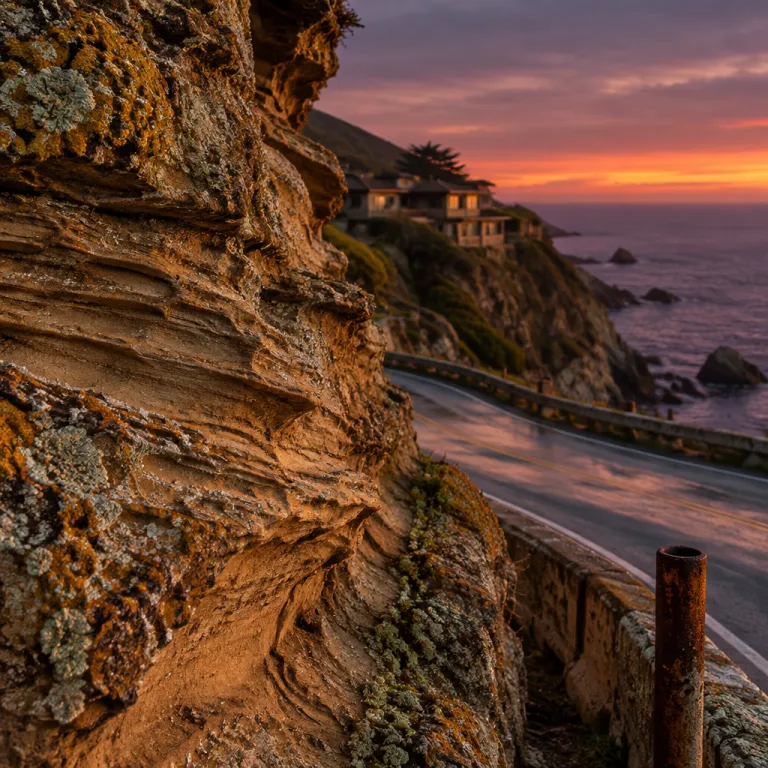
Planning your drive from Los Angeles to Big Sur for a hotel stay
Driving from LA to Big Sur is more than a transfer between two points. This coastal road trip along the legendary California road on Highway 1 shapes when you arrive, which town you choose, and how your hotel experience feels. When you plan the drive from Los Angeles to Big Sur carefully, you turn a simple trip into a curated coastal journey.
The route from Los Angeles up the Pacific coast passes long beach stretches, wine country valleys, and dramatic cliffs before you reach the quiet of Big Sur. You will move from the urban energy of Los Angeles and Santa Monica through the relaxed charm of Santa Barbara, then on to the rugged coast near Ragged Point and the redwood canyons of Big Sur. Each section of the coast highway influences your timing, your mood on arrival, and even whether you want a hotel close to the ocean, in a sheltered canyon, or near a small town hub such as Big Sur Village.
Most travelers underestimate how slow the road can feel once the California road narrows and curves north of San Luis Obispo. The distance from downtown Los Angeles to central Big Sur via Highway 101 and Highway 1 is roughly 320 to 350 miles (about 515 to 565 kilometres), and official mapping tools such as Google Maps and Caltrans travel estimates suggest a driving time of six to seven hours without extended pauses. In reality, the winding coast highway and frequent photo stops near places like Bixby Bridge easily stretch the drive into a full day of eight to nine hours. If you are booking a hotel in Big Sur, plan your road trip as if it were part of the stay, not just the way to reach your room.
Seasonal travel patterns on Highway 1 and how they affect hotel choices
Highway 1 between Los Angeles and Big Sur changes character with each season. Traffic patterns, fog, daylight hours, and even which state park car parks fill first will influence when you arrive at your Big Sur hotel. Understanding these seasonal shifts helps you choose the right night, the right room, and the right town along the coast.
In late spring and early summer, the Pacific coast often wakes under a marine layer that lingers from Santa Barbara to Monterey and Carmel-by-the-Sea, while afternoons clear around Bixby Bridge and the Big Sur headlands. This means that driving from LA to Big Sur in the morning can feel grey and cool near each beach, yet by the time you reach the central coast around San Luis Obispo and Ragged Point the light softens and the cliffs glow. If you prefer to arrive at your hotel with clear ocean views, consider leaving Los Angeles later in the day so that the final stretch into Big Sur coincides with the afternoon clearing and the long summer twilight.
Autumn usually brings calmer weather, fewer crowds at each state park, and more predictable driving conditions on the coast highway. Winter can be spectacular for storm watching along the California road, but heavy rain sometimes triggers landslides that close sections of the road from San Luis Obispo to Big Sur. Before you commit to a non refundable hotel booking, check current Highway 1 conditions and consult detailed guidance such as this overview of Big Sur weather by month and how the seasons shape your hotel stay, then align your travel dates and room choice with the season’s rhythm and typical daylight window.
Key stops between Los Angeles and Big Sur that shape your arrival
The most rewarding way of driving from LA to Big Sur is to treat the journey as a curated sequence of coastal towns. Each stop along the Pacific coast offers a different pace, from coffee breaks to wine tasting detours, and these pauses determine whether you reach your Big Sur hotel relaxed or exhausted. Thoughtful planning of these breaks also helps you avoid arriving after dark on the narrow road.
Leaving Los Angeles, you quickly trade freeways for the coast highway as you pass Malibu’s beach coves and continue toward the graceful arc of Santa Barbara. Many travelers choose Santa Barbara as a first stop on the road trip from Los Angeles to Big Sur, enjoying a late breakfast, a short walk by the beach, or even a quick tasting in the nearby wine country before continuing north. Farther along, San Luis Obispo and Paso Robles offer excellent coffee, relaxed town squares, and serious wine tasting, which can easily turn a simple drive into a two day California road adventure with an overnight in a local inn or boutique hotel.
Beyond San Luis Obispo, the landscape grows wilder as you approach Ragged Point, where the cliffs signal that Big Sur is near and the road begins to twist. From here to Big Sur, distances feel longer, so plan fewer but slightly longer stops, especially near viewpoints and state park entrances. For a deeper look at how each segment of the California road influences where you might want to sleep, study this guide to the Big Sur California road trip and how Highway 1 shapes your hotel choice before you finalise your booking.
Choosing your Big Sur hotel location based on how you drive
Where you stay in Big Sur should reflect how you prefer to drive the coast highway. Some guests want to arrive early from Los Angeles and settle into a cliffside retreat, while others prefer to pause in a town like San Luis Obispo or Monterey and Carmel-by-the-Sea and reach Big Sur the following day. Your driving style, and how you structure the trip from the south, will guide whether you book near the northern or southern gateways to Big Sur.
If you plan a single long day of driving from LA to Big Sur, a hotel in the southern part of Big Sur near Ragged Point or Gorda can reduce fatigue. This option shortens the final stretch of the road trip from Los Angeles and allows you to enjoy the dramatic Pacific coast scenery without rushing to reach a more remote property farther north. Travelers who prefer shorter driving days often stay one night in Santa Barbara or San Luis Obispo, then continue along the California road to a hotel closer to Bixby Bridge or the Big Sur River the next day, such as a lodge tucked into the redwoods or a small inn near Pfeiffer Big Sur State Park.
Guests arriving from the north, perhaps after time in San Francisco, Monterey, or Carmel-by-the-Sea, often choose hotels near the central Big Sur area to balance access to both directions of the coast highway. If you are combining Big Sur with Monterey and Carmel-by-the-Sea or a later drive to San Francisco, a mid corridor location reduces backtracking and keeps each day’s drive under three hours. Whatever your route, match your hotel’s position along the coast to the rhythm of your travel days so that the road enhances, rather than overshadows, your stay.
How coffee, wine, and food stops shape your timing and hotel experience
Food and drink stops along the Pacific coast are not just indulgences; they are practical tools for pacing your drive from Los Angeles to Big Sur. A well timed coffee break or wine tasting session can keep you alert, stagger your arrival, and prevent you from reaching your hotel in the dark. Thinking about these pauses in advance helps you choose a check in time and a property that match your preferred rhythm.
On the way north from Los Angeles, many travelers pause in Santa Barbara for a late morning coffee near the beach, then continue to San Luis Obispo for lunch in the historic town centre. From there, Paso Robles offers access to one of California’s most respected wine country regions, where you can schedule a short wine tasting without turning the road trip into a late night. If you plan to enjoy wine, consider staying overnight in Paso Robles or San Luis Obispo rather than pushing on to Big Sur, then complete the final coastal section the next day with a clear head.
Closer to Big Sur, simple roadside cafés and inns provide final chances for coffee before the road narrows and mobile coverage fades. Once you reach your Big Sur hotel, you may find that on site dining options are limited, so your earlier choices in towns like Santa Barbara, San Luis Obispo, or Monterey and Carmel-by-the-Sea become part of the overall experience. For guests who care deeply about their first meal on the coast, this guide to how hotel location shapes your search for the best breakfast in Big Sur can help align your dining expectations with your chosen property.
Extending the journey: combining Big Sur with Monterey, Carmel, and San Francisco
Many travelers driving from LA to Big Sur continue north toward Monterey, Carmel-by-the-Sea, and eventually San Francisco. If you plan this extended route, your Big Sur hotel becomes a hinge between the southern and northern sections of the Pacific coast. Choosing the right length of stay in Big Sur ensures that both halves of the road trip feel balanced.
From central Big Sur, the drive to Carmel-by-the-Sea and Monterey usually takes less than two hours, yet the scenery around Bixby Bridge and Point Lobos State Natural Reserve invites frequent stops. Guests who stay at least two nights in Big Sur can spend one full day exploring local trails and beaches, then use another day to visit Monterey and Carmel-by-the-Sea, the historic Cannery Row, and the Monterey Bay Aquarium without rushing. After that, continuing along the California road toward San Francisco feels like a natural progression rather than a forced march.
If you are returning to Los Angeles after visiting San Francisco, consider a different pattern of overnight stops on the way back. You might stay in San Luis Obispo or Santa Barbara instead of Big Sur, experiencing new towns and different sections of the coast highway. By treating Big Sur as one chapter in a larger Pacific coast narrative, you allow each hotel stay, each town, and each stretch of road to contribute something distinct to your overall journey.
Key figures for driving from Los Angeles to Big Sur
- The distance from downtown Los Angeles to central Big Sur via Highway 101 and Highway 1 is roughly 320 to 350 miles (about 515 to 565 kilometres), which usually requires at least six to seven hours of driving without long breaks and eight to nine hours with typical sightseeing stops.
- San Luis Obispo sits about halfway between Los Angeles and Big Sur along the coast highway, making it a practical overnight stop for travelers who prefer two shorter driving days.
- The stretch of Highway 1 between Ragged Point and Carmel-by-the-Sea includes more than 50 miles (over 80 kilometres) of winding cliffside road, where average speeds often drop below 35 miles per hour (around 55 kilometres per hour) due to curves and viewpoints.
- Summer weekends can increase travel time on the Pacific coast route by one to two hours compared with midweek days, especially near Santa Barbara, Pismo Beach, and the Big Sur viewpoints.
- Many Big Sur properties have fewer than 50 rooms, and peak season occupancy often exceeds 80 percent, so aligning your hotel booking with your planned driving days is essential.
To visualise how these figures translate into a real journey, consider this simple one way sample itinerary based on typical Caltrans and Google Maps travel times:
- Los Angeles to Santa Barbara: about 95 miles (150 kilometres), two to two and a half hours with light traffic.
- Santa Barbara to San Luis Obispo: about 95 miles (150 kilometres), around two hours of driving.
- San Luis Obispo to central Big Sur via Ragged Point: roughly 110 miles (175 kilometres), three to four hours including slower coastal sections.
FAQ about driving from Los Angeles to Big Sur for a hotel stay
How long does it take to drive from Los Angeles to Big Sur in one day ?
Driving from Los Angeles to central Big Sur in a single day usually takes eight to nine hours, including short stops for fuel, coffee, and photos. The exact time depends on traffic leaving Los Angeles, congestion near Santa Barbara, and how often you pause along the coast highway north of San Luis Obispo. Plan your departure so that you reach the winding section near Ragged Point and Big Sur with at least two hours of daylight remaining.
Is it better to stay overnight in Santa Barbara or San Luis Obispo on the way ?
Santa Barbara works well if you want a shorter first day from Los Angeles and time to enjoy the beach and restaurants. San Luis Obispo is more central on the California road, which creates two fairly equal driving days and leaves you closer to Big Sur on the second morning. Your choice depends on whether you prefer more time in a larger coastal town or a balanced split between urban and rural sections of the route.
Can I drive Highway 1 to Big Sur in winter ?
Highway 1 remains open through winter in many years, and the Pacific coast scenery can be dramatic with stormy seas and clear post front days. However, heavy rain sometimes causes landslides or closures between Ragged Point and Big Sur, which can force long detours inland. Always check current road conditions with Caltrans before you leave Los Angeles and keep your hotel flexible if storms are forecast.
Should I book my Big Sur hotel before or after planning my stops ?
For this route, it is wise to sketch your preferred driving pattern first, then book your Big Sur hotel to match that rhythm. Decide whether you want one long day from Los Angeles or two shorter days with a night in Santa Barbara, San Luis Obispo, or Paso Robles. Once you know your likely arrival time, you can choose a property whose check in window, location, and dining options fit your schedule.
Is it safe to arrive at a Big Sur hotel after dark ?
The coast highway through Big Sur is paved and maintained, yet it is narrow, winding, and mostly unlit, which makes night driving more tiring. Whenever possible, aim to complete the final stretch from Ragged Point or Carmel-by-the-Sea during daylight so that you can see curves, wildlife, and any temporary road work. If you must arrive after dark, drive slowly, avoid distractions, and inform your hotel of your estimated arrival time so that check in remains smooth.
References
- Caltrans – California Department of Transportation, Highway 1 road conditions, closure updates, and travel time guidance based on live traffic data.
- Google Maps and similar official mapping tools – distance and estimated driving time for the Los Angeles to Big Sur route via Highway 101 and Highway 1, using current traffic forecasts.
- Visit California – official tourism information on the Pacific Coast Highway and coastal regions, including seasonal travel tips.
- U.S. National Park Service and California State Parks – visitor data and guidance for coastal parks near Big Sur, such as Pfeiffer Big Sur State Park and Point Lobos State Natural Reserve.