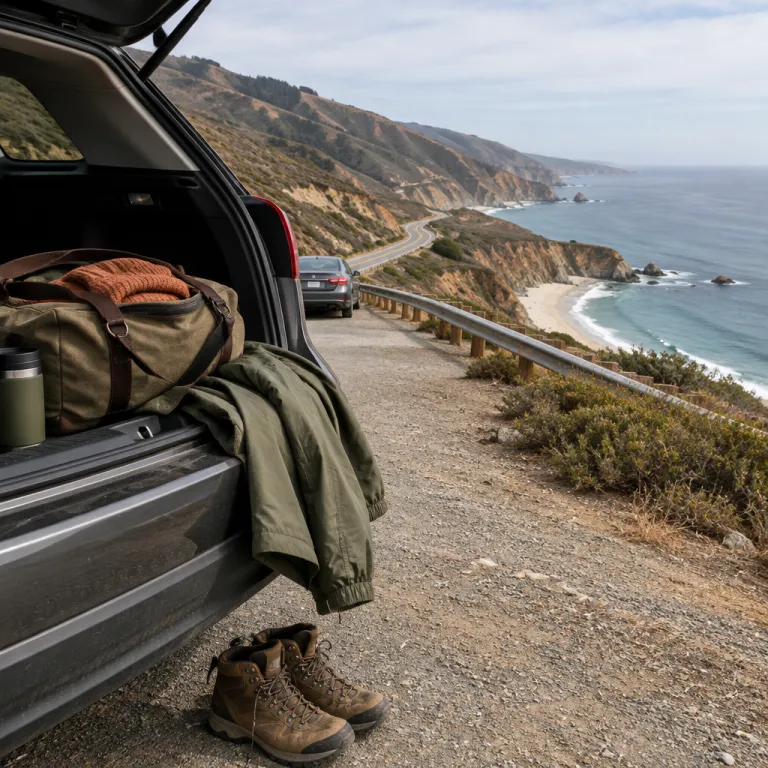
How seasons shape the best time to visit Big Sur
Choosing the best time to visit Big Sur starts with understanding its seasons and how they affect Highway 1. Along this dramatic stretch of the central California coast, late spring to early fall usually offers the best balance of clear weather, manageable crowds, and open services for travelers planning to explore long sections of the road. California State Parks and local rangers summarise it clearly in their guidance: “Late spring to early fall offers the best weather and conditions.”
From April into June, spring brings green hillsides, wildflowers, and relatively mild weather that makes hiking trails in every nearby state park especially appealing for guests who want to combine a scenic road trip with a comfortable hotel base. This is often the best time for a first visit because the road is usually open, the coast feels fresh after winter rains, and you can still find rooms at Big Sur state properties and independent lodgings without the intense pressure of peak summer. For travelers driving down from San Francisco or up from San Simeon, this shoulder season keeps driving times reasonable while still giving you long enough days to explore several parks and beaches in one stay.
Summer is the most famous time of year for visiting Big Sur, yet it is not always the best season for every traveler. Morning fog can sit low over the coast for several miles, clearing by midday to reveal big ocean views but also bringing heavier traffic on every road and in the most popular state parks. If you want to visit Big Sur in summer and still enjoy a relaxed stay, focus on booking a hotel with on site dining and easy access to one or two nearby hiking trails so you are not forced to drive the road constantly, and aim to reach popular trailheads such as Point Lobos or Pfeiffer Big Sur State Park by 8:30 a.m. to secure parking.
Late spring: the sweet spot for Highway 1 and hotel availability
For many seasoned travelers, late spring is the best time to visit Big Sur when you want both dramatic scenery and a refined hotel experience. By May, average daytime temperatures along the central California coast often sit comfortably in the mid teens to low twenties Celsius (around the low 60s to low 70s Fahrenheit), which feels ideal for hiking, terrace dining, and slow drives between state parks. NOAA climate normals for nearby Monterey show average May highs around 18–19 °C (65 °F), which matches what you feel on exposed coastal viewpoints. Hillsides above the coast glow green, waterfalls run strongly, and the weather is usually stable enough that you can plan a multi night stay without constantly checking the forecast.
From a hospitality perspective, this season offers a rare balance between demand and calm, which is why it is often the best time for a longer coastal visit. Hotels between Carmel by the Sea and Big Sur proper still have more flexible minimum stay policies than in peak summer, and you can often secure ocean view rooms without booking a full year in advance. If you are planning to drive long stretches of Highway 1, staying three or four nights allows you to explore different state parks such as Andrew Molera State Park, Pfeiffer Big Sur State Park, and Point Lobos State Natural Reserve without rushing.
Late spring also suits travelers who want to mix hiking and relaxation rather than chase every trail in a single day. You might spend one day exploring the river and redwood hiking trails in Pfeiffer Big Sur State Park, another walking the coastal paths at Point Lobos, and a third driving south toward San Simeon with pauses at quiet beach pullouts. Because this is still shoulder season, restaurants and local businesses along the road have time to offer more personalised service, which can make a big difference when you return to your hotel after many miles on the coast. Well known properties such as Post Ranch Inn or Ventana Big Sur often feel less pressured in May than in July, giving staff more scope to tailor recommendations.
Summer on Highway 1: peak season, peak pressure on the road
Summer is when the idea of the best time to visit Big Sur collides with reality on Highway 1. The weather is generally warm, the Pacific looks inviting, and every travel magazine seems to feature a road trip along this coast, which means visiting Big Sur in July or August requires careful planning. Expect more cars on the road, busier parking areas at every state park, and higher nightly rates at hotels from Carmel by the Sea down to the more remote Big Sur headlands.
Morning marine layer is a defining feature of this season, and it matters for how you plan your stay. You may wake to thick fog around your hotel, drive a few miles along the road, and suddenly break into sunshine near a higher stretch of coast, so flexibility is essential when choosing which hiking trails or beach to prioritise each day. Many experienced guests use foggy mornings for slow breakfasts, spa time, or reading on their terrace, then head out toward Point Lobos, Andrew Molera, or Pfeiffer Beach once the weather clears. Arriving at popular parking areas before 9:00 a.m. or after 4:00 p.m. can significantly reduce the time you spend circling for a space.
Because summer is the busiest time of year, booking your hotel early is not optional if you want specific views or amenities. Properties near Pfeiffer Big Sur State Park and along the central Big Sur coast often sell out months ahead, especially for weekends and holiday periods, and last minute options can involve long extra miles of driving back toward San Francisco or south toward San Simeon. If you must cover big stretches of the region in summer, consider midweek stays, plan your road trip legs carefully, and choose a hotel that allows you to park once and walk to at least one beach or trail so you are not repeatedly reentering congested sections of Highway 1.
Early fall: refined calm for travelers who value space and clarity
When the crowds thin and the light turns golden, early fall quietly becomes the best time to visit Big Sur for many discerning guests. Skies are often clearer than in early summer, the weather remains pleasantly warm, and the coast takes on a calm that suits travelers who prefer long dinners and unhurried walks to packed viewpoints. For those planning a special coastal stay, this season often delivers the best combination of atmosphere, service, and road conditions.
From September into October, average high temperatures along the central California coast can reach around 22 °C, which feels perfect for exploring hiking trails without the heat of inland California. NOAA data for the Monterey and Big Sur area show typical September highs in the low 20s Celsius, with relatively low rainfall, so you can usually rely on clear afternoons. You might start your day with a coastal walk at Point Lobos, continue with a leisurely drive along the road through Big Sur, then end with sunset at Pfeiffer Beach before returning to your hotel for a quiet evening. Because this is no longer peak summer, state parks such as Andrew Molera and Pfeiffer Big Sur State Park are still active but less congested, giving you more freedom to choose your pace.
For hotel bookings, early fall often offers better value than high summer while still feeling like a premium season. Many properties along the coast introduce shoulder season packages, and you may find that rooms with big ocean views or direct access to a private trail become more attainable for a three or four night stay. If you are visiting Big Sur as part of a longer road trip between San Francisco and San Simeon, this is an excellent time of year to schedule your coastal segment so that driving, hiking, and relaxation all feel balanced, especially if you plan your longest driving days for midweek rather than busy weekends.
Winter and early spring: quiet stays, dramatic weather, and road considerations
For travelers who value solitude and dramatic scenery over guaranteed sunshine, winter and early spring can still feel like the best time to visit Big Sur. Storm systems rolling in from the Pacific bring powerful surf, shifting light, and a sense of wildness that is very different from the polished feel of summer on the coast. However, this is also the season when the road is most vulnerable to closures, so flexibility is essential when planning any coastal visit.
Heavy rains can trigger landslides along Highway 1, temporarily closing sections of the road and limiting access between Big Sur and larger hubs such as San Francisco or San Simeon. Caltrans has issued notable closure notices in recent years for slides near mile markers such as Paul’s Slide (around postmile 21.7) and Mud Creek (around postmile 8.9), which shows how specific stretches can be cut off for weeks. Before you drive long stretches of the region in winter, check official state and county updates, and consider booking a hotel that can be reached from both the north and south in case one direction is blocked. When the road is open, you will often find nearly empty parking areas at state parks, quiet beaches, and hiking trails that you can enjoy with only a handful of other visitors.
Early spring, especially March and early April, acts as a bridge between the moody drama of winter and the gentle warmth of late spring. Hillsides above the coast turn intensely green, waterfalls in Pfeiffer Big Sur State Park and Andrew Molera State Park run strongly, and the weather begins to stabilise while remaining cool enough for energetic hiking. If you choose this time of year for visiting Big Sur, prioritise hotels with cosy interiors, fireplaces, and on site dining so that even a stormy day on the road feels like part of a well considered coastal retreat, and allow extra time for detours via inland routes such as Highway 101 if a slide closes your preferred section of Highway 1.
Planning your stay: aligning hotel choices with trails, parks, and miles on the road
Once you have chosen the best time to visit Big Sur for your style, the next step is aligning your hotel booking with how you want to use your days. Travelers focused on hiking trails and state parks often prefer to base themselves near the central stretch of the coast, close to Pfeiffer Big Sur State Park, Andrew Molera State Park, and the village services of Big Sur itself. This location reduces the number of daily miles you need to drive on the road and lets you return easily to your room between outings.
If your ideal coastal stay involves more varied experiences, consider splitting your time between two areas along the central California coast. Spend a couple of nights near Carmel by the Sea or Point Lobos, where you can enjoy refined dining, art galleries, and gentle coastal walks, then move south to a hotel deeper in Big Sur for more immersive contact with redwoods, cliffs, and secluded beach coves. This approach works especially well in late spring and early fall, when the weather is stable and state parks along the coast are fully operational. It also lets you time your drives so that you pass classic viewpoints such as Bixby Creek Bridge in early morning or late afternoon, when traffic is lighter and parking turnover is faster.
Guests planning a longer road trip between San Francisco and San Simeon should think in terms of stages rather than a single long drive. One elegant itinerary is to leave San Francisco in the morning, stop at Point Lobos for a first walk, continue through Carmel by the Sea for lunch, then arrive at your Big Sur hotel by mid afternoon with enough daylight left for a short trail near the property. The next day, you can explore Pfeiffer Beach, hike in Pfeiffer Big Sur State Park or Andrew Molera, and still return in time for sunset drinks, making the most of both the coast and your chosen hotel amenities. Planning fuel stops in advance is wise, as gas stations are limited and prices along the most remote stretch of Highway 1 are typically higher than in Monterey or Carmel.
Trends in seasonal travel patterns on Highway 1 for hotel guests
Seasonal travel patterns on Highway 1 have become more pronounced as travelers refine their sense of the best time to visit Big Sur. There is a clear shift toward late spring and early fall among guests who value calmer roads, more attentive service, and a better balance between hiking and relaxation. At the same time, summer remains the busiest time of year for visiting Big Sur, driven by school holidays, international tourism, and the enduring appeal of a classic California road trip.
One notable trend is the growing popularity of off peak stays that still sit within the broader fair weather season. Travelers who once aimed for July now often choose May or September, when the weather is still great but state parks, beaches, and hiking trails feel less crowded, and hotels can offer more nuanced experiences rather than simply managing volume. This shift is especially visible among guests driving from San Francisco or Los Angeles, who now treat Big Sur as a destination for slow travel rather than a quick stop between cities.
Another emerging pattern involves travelers using Big Sur as the anchor point of a longer coastal itinerary that includes Carmel by the Sea, Point Lobos, and San Simeon. Instead of racing through hundreds of miles in a single day, they break the journey into shorter segments, choosing the best time and season for each stretch so that weather, daylight, and hotel availability all align. For you as a future guest, understanding these patterns means you can book earlier for peak dates, target shoulder seasons for more space, and design a visit that feels both luxurious and deeply connected to the rhythm of the coast, while still respecting local guidelines on parking, trail use, and road safety.
Key figures that help define the best time to visit Big Sur
- Average high temperatures along the central Big Sur coast range from about 13 °C in mid winter to around 22 °C in early fall, which explains why late spring to early fall is widely regarded as the most comfortable season for hiking and coastal stays (NOAA and Tripbase climate summaries for Monterey and Big Sur).
- The main scenic corridor of Highway 1 through Big Sur runs for roughly 90 to 100 miles (about 140 to 160 kilometres) between Carmel by the Sea and San Simeon; Caltrans postmile logs place Bixby Creek Bridge near postmile 59 and Ragged Point near postmile 72, which supports this commonly cited distance and shows why planning at least two to three days allows you to spread those miles across several short drives rather than one exhausting push.
- State parks such as Pfeiffer Big Sur State Park, Andrew Molera State Park, and Point Lobos State Natural Reserve collectively offer dozens of marked hiking trails, giving hotel guests enough variety to fill a three to five night stay without repeating the same route.
- Fog is most common in early summer mornings along the central California coast, often clearing by late morning or early afternoon, which is why many experienced visitors schedule indoor hotel activities early and plan their longest hikes for the middle of the day (NOAA marine layer analyses for the Monterey Bay region).
- Peak summer and major holiday periods can see hotel occupancy rates near full capacity across Big Sur and Carmel by the Sea, so booking several months in advance is strongly recommended if you want specific room types or ocean facing locations, especially at sought after properties overlooking Highway 1.
FAQ: planning your stay around the best time to visit Big Sur
What is the best time to visit Big Sur for comfortable weather and open trails ?
The most reliable window is from late spring to early fall, when temperatures along the coast are generally mild, most hiking trails in state parks are open, and daylight hours are long enough to combine scenic drives with walks and relaxed evenings at your hotel.
How many days should I plan for visiting Big Sur if I am booking a hotel ?
For a balanced experience that includes hiking, beach time, and unhurried drives on Highway 1, plan at least two to three nights, which gives you one full day for the central Big Sur area, another for Point Lobos and Carmel by the Sea, and a third for exploring farther south toward San Simeon.
Are there any travel restrictions or road closures I should check before my trip ?
Highway 1 through Big Sur is occasionally affected by landslides and maintenance work, especially in winter and early spring, so always check official state and county transportation updates, as well as park service advisories, before finalising your hotel bookings and daily driving plans. Caltrans and California State Parks provide the most current information on road status and trail conditions, often listing closures by specific mile marker or postmile so you can see exactly which segment is affected.
Is summer really the best time year to stay in Big Sur hotels ?
Summer offers warm weather and long days but also brings heavier traffic, higher room rates, and busier state parks, so many experienced travelers now prefer late spring or early fall, when conditions are still excellent yet the overall atmosphere is calmer and more conducive to a refined coastal stay.
Can I enjoy Big Sur without doing long or difficult hiking trails ?
Yes, many viewpoints, short coastal paths, and beaches such as Pfeiffer Beach and the overlooks at Point Lobos are accessible with only brief walks from parking areas, allowing you to experience the essence of the coast while still spending most of your time relaxing at your chosen hotel. Arriving early in the day or later in the afternoon helps you find parking more easily at these popular spots.
References
- Tripbase – Climate data and average temperatures for Big Sur and central California, including monthly highs and lows for coastal towns near Highway 1.
- National Oceanic and Atmospheric Administration (NOAA) and National Centers for Environmental Information (NCEI) – Marine layer, fog frequency, and coastal climate statistics for the Monterey Bay and Big Sur region.
- California Department of Transportation (Caltrans) – Official information on Highway 1 road conditions and closures, including postmile based notices for slides such as Paul’s Slide and Mud Creek.
- California State Parks – Operational updates and trail information for Pfeiffer Big Sur State Park, Andrew Molera State Park, and Point Lobos State Natural Reserve, plus seasonal guidance on parking and day use capacity.